Practice Directory | Online Pharmacy 4 U
This Article Last Updated - 15 Oct 2026, 14:45
Find a Reliable Ear Wax Removal Clinic Near You
Our practice directory is built to help people across the UK find a suitable ear wax removal clinic without confusion or wasted time. Each listing gives a clear snapshot of the service type, the local area covered, and the practical details people usually want before they travel. That includes the clinic setting, access information, parking notes, and whether the site is on the ground floor or offers disabled access. For many patients, the aim is straightforward: find a nearby microsuction provider with a professional audiology-led service and a simple booking route. By bringing those essentials together in one place, the directory makes it easier to compare providers with confidence and choose a location that suits your routine, mobility needs, and preferred part of town. It also shows whether the clinic covers surrounding neighbourhoods, which can be useful if you are travelling from beyond the immediate postcode area.
Because ear wax buildup can affect hearing, comfort, and everyday listening, many people want a clinic that is easy to reach and clear about what is offered. This page supports that decision by presenting location-led information in a consistent format. Whether you are looking for private ear wax removal, manual instrument wax extraction, or microsuction from experienced practitioners, the directory helps you move quickly from search to appointment.
What You Will See in Each Clinic Listing
Key Details at a Glance
Every entry in the directory is designed to answer the questions people usually ask before selecting a clinic. You can expect location details, nearby landmarks, parking notes, accessibility information, and a summary of the service offered. In many cases, the listing also explains whether the clinic is close to public transport, a shopping centre, a health centre, or a pharmacy. These practical points matter because they affect how easy the visit will be on the day, especially for older adults, people with reduced mobility, or anyone travelling with family support. The aim is not to overwhelm you with medical jargon. It is to provide a clear, factual overview so you can compare options quickly and make a sensible choice.
- Service type, such as microsuction ear wax removal or manual instrument earwax removal, depending on the site.
- Clinic name and area, so you can identify the right branch without guesswork or extra searching.
- Parking information, such as free parking, pay-by-phone bays, or nearby multi-storey options.
- Access details, including ground floor entry, lifts, wheelchair access, or other mobility-friendly features.
- Local transport clues, including proximity to stations, major roads, or well-known landmarks.
Why Private Ear Wax Removal Appeals to Many People
Quicker Access and a More Direct Path to Care
Private ear wax removal can appeal to people who want a quicker appointment, a shorter journey, or a more specific service such as microsuction. It is often chosen by people who have blocked ears, muffled hearing, or discomfort caused by excessive wax and who would rather not wait for a longer NHS route if their needs are straightforward. In a well-run private clinic, the process is usually focused, clean, and carried out by trained audiologists or other suitably experienced clinicians. That can make the experience feel calmer and more predictable, especially if you have had ear wax removed before and already know what to expect. For many users, the value of a practice directory lies in helping them see which clinic fits their needs before they book.
The clinic profiles also help you judge whether the provider looks suitable for a first visit or a repeat appointment. For example, some sites are positioned close to rail stations or main roads, which can make travel easier. Others highlight disabled parking or step-free access, which can be essential for some patients. When someone is comparing ear care options, the practical side matters just as much as the treatment itself.
How to Compare Clinic Locations Across the Directory
Begin with Travel, Then Confirm Access
A sensible way to use the directory is to start with the location that best suits your route, then check the access details before booking. If you are driving, look for parking notes, postcode clues, and nearby roads or junctions. If you are using public transport, check whether the clinic is near a station or bus route. If mobility is a concern, the ground floor, lift access, and wheelchair-friendly entry become more important. These details can save time, reduce stress, and help you avoid a clinic that is inconvenient on the day of treatment. A location page that is clear about these points is usually easier to trust and easier to use.
- Read the access notes carefully, especially if you need step-free entry or disabled parking.
- Choose the nearest clinic area first, then decide whether the travel time is realistic for you.
- Look for nearby landmarks, because they often make the address easier to find on the day.
- Check whether the clinic mentions a pharmacy, health centre, or specialist hearing service, as this can help set expectations.
- Use the booking link only after you are happy with the route, access, and service type.
Microsuction and Manual Ear Wax Removal Explained
Two Common Approaches in UK Clinics
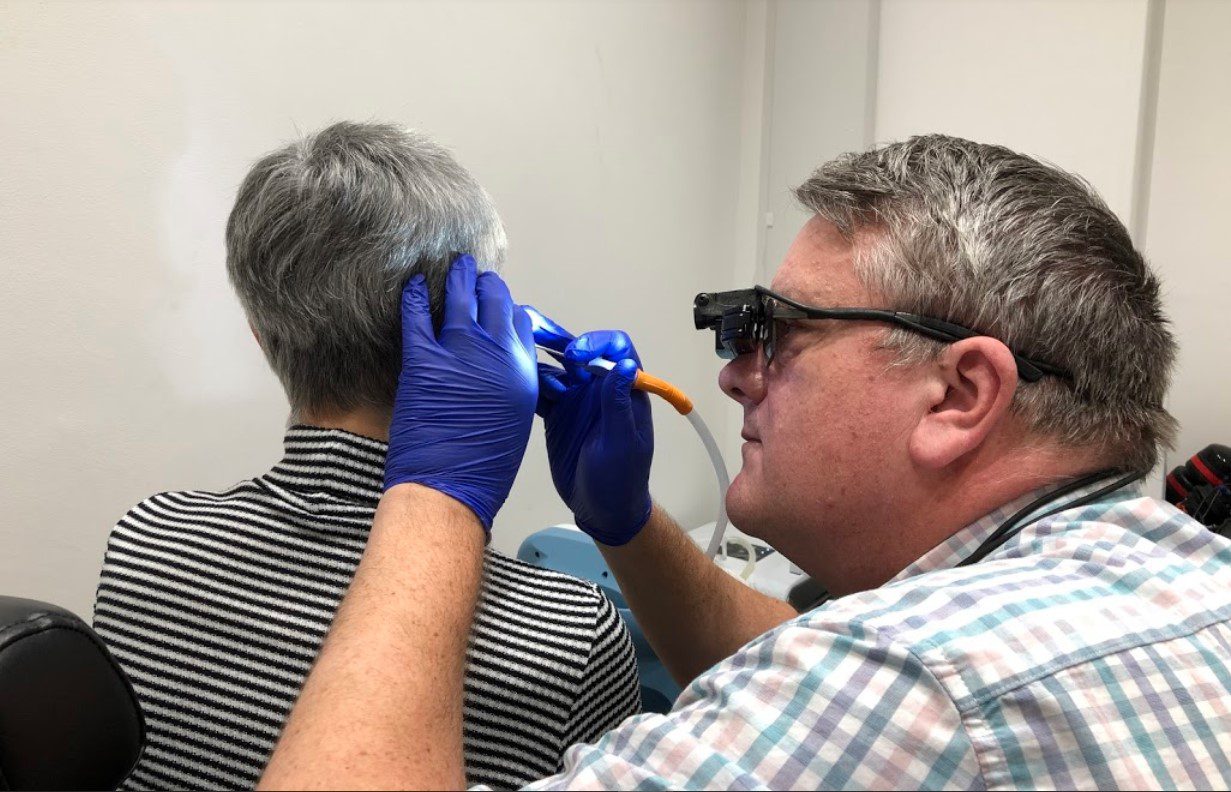
Microsuction is a widely used ear wax removal method in UK private clinics. It uses gentle suction under direct visual guidance, often with specialist equipment, and is commonly chosen because it is precise and does not rely on water irrigation. Manual instrument earwax removal is another option, where the clinician uses small tools to remove wax carefully. Both methods are usually delivered by trained professionals who understand ear anatomy and can assess whether treatment is appropriate for the person in front of them. The right choice depends on the condition of the ear, the amount and type of wax, and the clinician's judgement.
For patients, the key point is simple: ask which method the clinic offers, who will carry out the treatment, and whether the service is suitable for your ear health needs.
Good practice directory pages support that decision by naming the treatment type clearly. That matters because people searching for ear wax removal often want a straightforward, evidence-based service rather than vague reassurance. Clear wording about microsuction, manual removal, and audiologist-led care helps set the right expectations before a visit.
Accessibility and Practical Clinic Features
What to Check Before You Travel
Accessibility is one of the most important parts of a useful practice directory, because it affects whether someone can attend safely and comfortably. Helpful listings often say whether the clinic is on the ground floor, whether there is a lift, and whether there is disabled parking close to the entrance. Some also note wheelchair access, step-free routes, or on-site parking. These details are especially important for older patients, people with balance issues, and anyone visiting while experiencing reduced hearing or ear discomfort. A clinic may be clinically suitable, but if it is difficult to access, it may not be the right choice for that person.
Parking and Entry Information Really Matters
Parking information can be just as useful as clinical information. A site near a shopping centre may have a multi-storey car park, while another may offer free on-street parking or short-stay bays. Knowing this before you set off helps you plan the visit properly and arrive less rushed. It also makes the directory more practical, because people can see at a glance whether the visit fits their needs.
Small Detail, Big Benefit
A few clear lines about access can save a great deal of uncertainty, particularly when someone is already dealing with blocked ears or hearing loss.
Confirm Access Before Booking
If you need a lift, disabled bay, or level entrance, confirm those details first so the appointment is as smooth as possible.
How the Directory Supports Local Search
Clear Place Names and Service Terms
When people search for treatment online, they often use a mix of place names and service terms, such as ear wax removal, microsuction, hearing care, or private clinic. This directory is structured to support those searches in a natural way while still staying useful to real visitors. The location-led titles make it easier to scan by area, and the content beneath each entry adds the specific details people want before booking. That combination is helpful for search engines and for answer engines, because it gives a clean, factual picture of each clinic without padding or ambiguity. It also helps people who are using voice search, since the page language is direct and specific.
Strong local search content should not feel forced. It should tell the truth clearly, using the names of the service, the area, and the practical setting. That is why phrases like audiology, ear care, and private appointment work well here when they are used naturally. They help explain what the clinic does, who it is for, and how it fits into the wider local healthcare picture.
What a Good Clinic Profile Should Give Patients
Confidence Before the First Visit
A useful clinic profile should reduce uncertainty, not add to it. Visitors want to know where they are going, how they can get there, and what type of ear care is on offer. Good profiles also help set realistic expectations about the visit itself. For example, a patient might want to know whether the service is provided by audiologists, whether it is private, and whether the clinic is easy to reach from the local station or main road. Those details are practical, but they also build trust. They show that the provider understands what matters to patients and has taken time to explain it clearly.
That is especially important for earwax removal, because many people are seeking treatment after discomfort, pressure, or reduced hearing has affected daily life. A calm, detailed clinic page can make it easier to take the next step. It can also help family members or carers who are arranging the visit on someone else’s behalf. Clear information, honest access notes, and a visible booking route all support a better experience.
Choosing the Right Clinic for Hearing Comfort
Look Beyond the Postcode
It is tempting to choose the nearest clinic and stop there, but a better approach is to consider the whole picture. A clinic may be close by, yet still awkward to reach if parking is difficult or access is not suitable. Another may be a little further away but easier to use because it has step-free entry, ground floor treatment rooms, and clear travel instructions. For ear wax removal, that can make a meaningful difference, especially when symptoms are affecting hearing, concentration, or balance. A good directory helps you compare these factors before you commit.
Using the page this way also helps you match the clinic to the person, not just to the location. Someone who is comfortable driving across town may value free parking, while someone travelling by rail may care most about walking distance from the station. Others may prioritise a specialist audiology service or a practice with a strong reputation for microsuction. The best choice is often the one that fits both the clinical need and the practical journey.
Why Clear Booking Routes Matter
Simple Steps Encourage Action
People are more likely to book when the next step is obvious. A good practice directory does not leave visitors guessing. It shows the clinic name, the service, the area, and the booking prompt in a way that is easy to follow. That matters for answer engines too, because direct language helps them understand the page purpose quickly. If someone is searching for private ear wax removal, they want a simple route from search result to appointment information. A clear booking path also reduces friction for older adults or busy patients who do not want to spend time hunting around the site.
Clarity is especially important for healthcare pages, where trust and precision matter. The page should help visitors feel that the clinic is real, local, and straightforward to attend. When booking information is paired with access notes, travel hints, and a clear treatment description, the result is more helpful than a basic list of names. It becomes a genuinely useful directory for ear health and hearing care.
Keep the Journey Simple
If the path from clinic page to appointment request is easy to understand, people are more likely to complete it without hesitation.
Things to Check Before an Ear Wax Removal Appointment
Prepare with a Quick Checklist
Before attending an ear wax removal appointment, it helps to read the clinic listing carefully and check a few practical points. This is not about overcomplicating the visit, it is about making sure the day runs smoothly. You may want to confirm the treatment type, the location, the parking arrangements, and whether the clinic is on the ground floor or has lift access. If you wear hearing aids, you may also need guidance on whether to remove them before the appointment. These are small points, but they can affect the experience and the outcome. A well-written directory gives enough detail to let you prepare properly.
- Review any booking prompt or contact route so you know what happens next.
- Confirm the clinic area and postcode so you can plan your route with confidence.
- Check whether the clinic mentions microsuction, manual removal, or another specific ear care method.
- Read any parking notes, especially if the site has limited spaces or a nearby public car park.
- Look for accessibility details if you need a lift, wheelchair access, or step-free entry.
Find your ideal health clinic with our list of trusted clinic providers:

Ashford: Private Microsuction Ear Wax Removal in Ashford Tn24
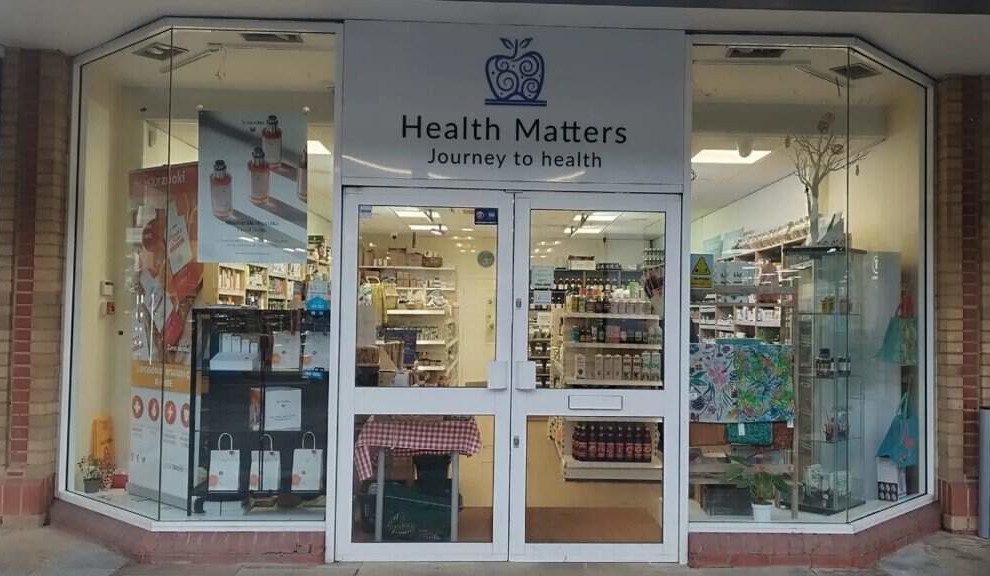
Barnet: Private Microsuction Ear Wax Removal in Barnet En5
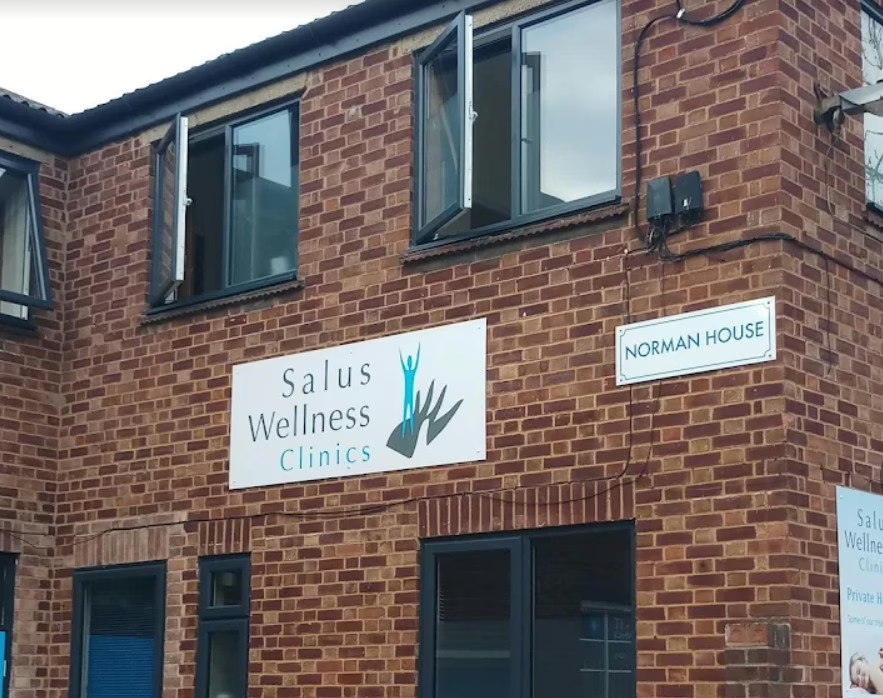
Cambridge: Private Microsuction Ear Wax Removal in Cambridge Cb2
Colindale: Private Microsuction Ear Wax Removal in North West London Nw4
Ealing: Private Microsuction Ear Wax Removal in Ealing W5

East Finchley: Private Microsuction Ear Wax Removal in East Finchley N2
Edgware: Private Microsuction Ear Wax Removal in North London Nw4
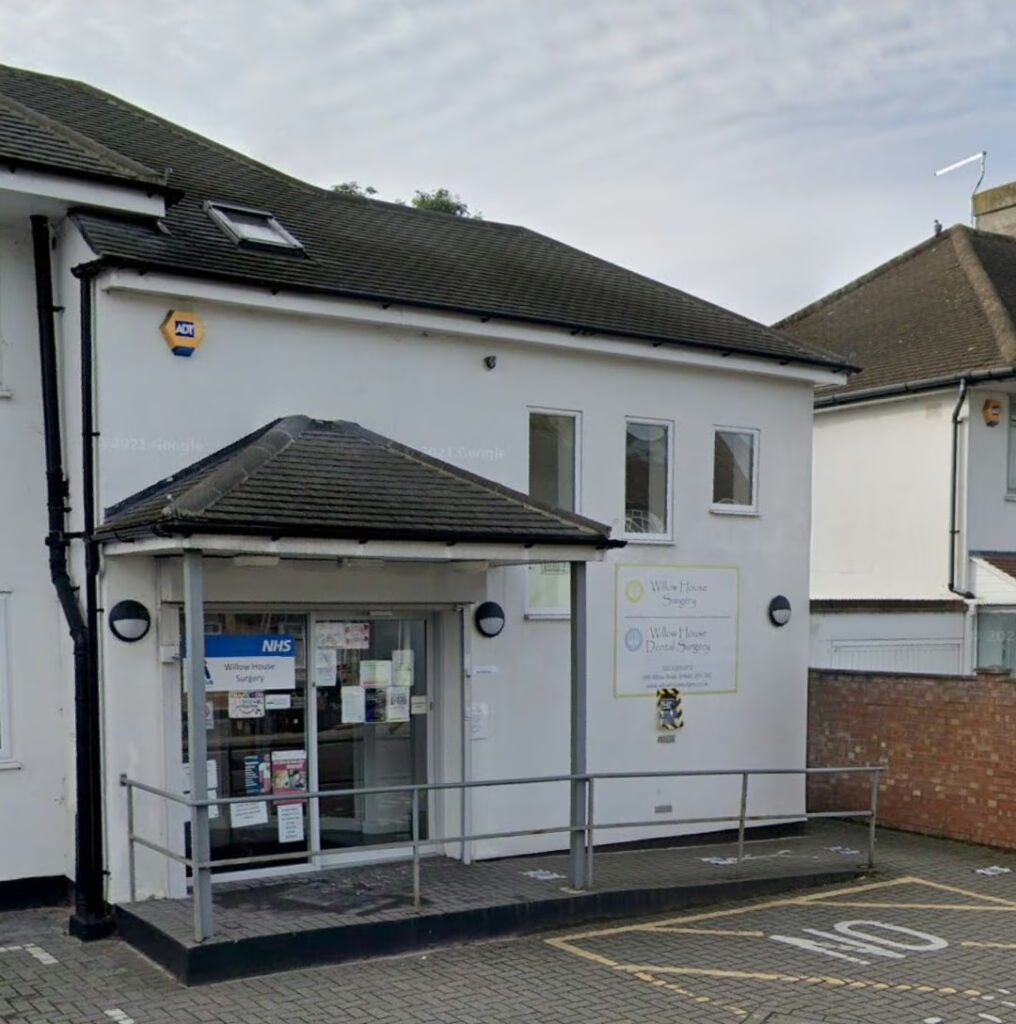
Enfield: Private Microsuction Ear Wax Removal in Enfield En1
Finchley: Private Microsuction Ear Wax Removal in Finchley North London
Hastings: Private Microsuction Ear Wax Removal in Hastings Tn34
Hendon: Private Microsuction Ear Wax Removal in North West London Nw4
Hythe: Private Microsuction Ear Wax Removal in Hythe Ct21
Kingston: Private Microsuction Ear Wax Removal in Kingston-Upon-Thames Kt6
Mill Hill: Private Microsuction Ear Wax Removal in North West London Nw4

Milton Keynes: Private Microsuction Ear Wax Removal Mk in Bucks Mk2

Muswell Hill: Private Microsuction Ear Wax Removal in Muswell Hill N2

Oxford: Private Microsuction Ear Wax Removal in Oxford Ox2
Reading: Private Microsuction Ear Wax Removal in Reading Rg30

St Albans – Private Microsuction Ear Wax Removal in St Albans Al1
Surbiton: Private Microsuction Ear Wax Removal in Surbiton Kt6

Watford: Private Microsuction Ear Wax Removal in Watford Wd3

Welwyn Garden City: Private Microsuction Ear Wax Removal in Welwyn Al8
Using the Directory as a Trusted Health Resource
Built for Clarity and Patient Confidence
A useful health directory should do more than list places. It should help people make informed decisions with confidence. That is why the best practice pages are specific about the service, careful with language, and honest about access and location. In a healthcare context, trust comes from detail. Visitors need to know that the information is relevant, current, and easy to understand. They also need a page that respects their time. A good directory does this by presenting each clinic in a consistent, factual way, using plain British English and practical information that is genuinely useful.
For people searching for ear wax removal, the directory acts as a guide through a busy choice of providers. It supports comparison without pressure and helps each visitor move at their own pace. Whether they are looking for audiology-led microsuction, a pharmacy-based clinic, or a location with easier parking and access, the directory gives them a grounded starting point. That is the kind of support patients value most, especially when they want quick relief and clear next steps.