Categories
Ear Wax Removal

Hearing Loss and Heart Disease: Exploring the Connection

Last Updated on 04/01/2026 by Admin

Understanding the Essential Health Connections Between Hearing Loss and Heart Disease

What is the primary mechanism linking hearing loss and heart disease?

The intricate connection between hearing loss and heart disease primarily stems from a range of shared risk factors that markedly impact vascular health. As individuals progress in age, compounded by poor dietary choices and a sedentary lifestyle, significant vascular issues arise that adversely affect both hearing and cardiac conditions. The key factors contributing to this complex relationship include:

  • Blood flow problems, which hinder necessary circulation
  • Inflammation, leading to various health complications
  • High blood pressure, straining cardiovascular functions
  • Cholesterol imbalances, affecting overall heart health
  • Diabetes, which exacerbates vascular issues

These elements severely compromise circulation, resulting in reduced blood supply to both the heart and the inner ear, both of which are crucial for optimal functioning. A thorough understanding of this mechanism is vital for developing effective prevention and management strategies that can enhance health outcomes for those grappling with these pressing health concerns.

Exploring the Shared Risk Factors Between Hearing Loss and Heart Disease

The condition of vascular health is central to grasping the connection between hearing loss and heart disease. Circulatory problems often intertwine these health issues, as factors like hypertension and diabetes amplify global health risks. Regardless of geographic location, making informed lifestyle choices can significantly mitigate these risks. Experts underscore the importance of preventive measures aimed at preserving cardiovascular health, illustrating that individuals everywhere can benefit from similar strategies that promote overall wellness and vitality.

Identifying Overlapping Symptoms of Hearing Loss and Heart Disease

Recognising the overlapping symptoms between hearing loss and heart disease is essential for enabling early intervention and effective management. Symptoms such as dizziness, fatigue, and difficulties with concentration may signal underlying issues related to cardiovascular health and audiological function. By acknowledging these symptoms early on, individuals can pursue timely diagnosis and treatment, thereby enhancing management strategies and improving overall health outcomes. Early awareness of these interconnected signs is crucial for safeguarding one’s well-being.

The Critical Role of Early Intervention in Health Management

Early intervention for both hearing loss and heart disease plays a pivotal role in addressing shared vascular risks. Regular health evaluations, in conjunction with lifestyle modifications, can significantly slow the progression of both conditions. This proactive approach not only improves health outcomes but also elevates the quality of life for individuals at risk. By incorporating these strategies into daily routines, people can manage their health more effectively, lowering the likelihood of severe complications in the future and enhancing their overall well-being.

How Does the Connection Between Hearing Loss and Heart Disease Manifest?

What are the early indicators of the connection?

Early indicators of the relationship between hearing loss and heart disease frequently manifest as diminished hearing capabilities alongside signs of cardiovascular strain, such as shortness of breath during physical activities. These initial symptoms can point to potential complications, making consistent monitoring essential for timely interventions. Being aware of these signs empowers individuals to seek appropriate medical guidance, facilitating proactive management of both health conditions and ensuring better health outcomes.

Examining the Physiological Links Between Hearing and Cardiovascular Health

The physiological relationship between hearing and cardiovascular health is multifaceted, with the body’s systems intricately connected. Adequate blood supply is essential for the proper functioning of both the inner ear and the heart. Any compromise in circulation can adversely affect their performance, leading to significant health implications. Maintaining a balanced vascular system is crucial for overall health, and understanding these connections can guide individuals toward effective health strategies that enhance both auditory and cardiovascular well-being.

Effects of Combined Symptoms on Daily Functioning

The combined symptoms of hearing loss and cardiovascular issues can significantly impede daily activities and overall quality of life. Individuals may encounter challenges in communication, physical exertion, and general well-being. This underscores the necessity for integrated care approaches that simultaneously address both conditions, ensuring that individuals receive comprehensive support. Implementing universal health strategies that focus on holistic well-being can provide substantial benefits, enabling individuals to navigate their daily lives more effectively and with greater ease.

Long-Term Health Outcomes from Hearing Loss and Cardiovascular Issues

The long-term health outcomes stemming from the connection between hearing and cardiovascular issues are concerning. Chronic hearing loss can heighten the risks of heart-related diseases, while heart issues can precipitate auditory impairments. Proactive monitoring, coupled with lifestyle adjustments, is paramount for mitigating these progressive effects. By embracing a comprehensive health management plan, individuals can maintain their well-being and reduce the risk of complications in the future, promoting a healthier life overall.

Effective Strategies for Mitigating Health Risks

Implementing effective strategies to mitigate the connection between hearing loss and heart disease involves several proactive measures. Regular health screenings, stress management techniques, and the adoption of heart-healthy habits are essential for protecting auditory function. These approaches can significantly lower the risks associated with both conditions while enhancing overall quality of life. Establishing an integrated preventive care plan empowers individuals to achieve better health outcomes by addressing the underlying factors linking these health issues, thereby fostering a healthier future.

Expert Insights on the Connection Between Hearing Loss and Heart Health

How do lifestyle choices influence hearing and cardiovascular health?

Lifestyle choices play a pivotal role in exacerbating the connection between hearing loss and heart disease. Poor dietary habits, insufficient physical activity, and smoking can all place undue strain on the circulatory system, leading to an increased risk for both conditions. Actionable steps include adopting balanced routines that prioritise nutrition, engaging in regular exercise, and steering clear of harmful substances. These lifestyle adjustments not only support cardiovascular health but also effectively protect auditory function, contributing to overall wellness.

Investigating Genetic Influences on Hearing and Heart Health

Genetic predispositions may contribute to vulnerabilities concerning both hearing and heart health. Understanding hereditary factors can guide personalised health approaches, enabling individuals to take proactive measures based on their genetic background. This awareness is essential for developing targeted prevention and management strategies that consider the unique health profiles of individuals worldwide, ultimately fostering better health outcomes and enhancing quality of life.

The Impact of Chronic Conditions on Hearing and Heart Health

Chronic health conditions can considerably exacerbate the connection between hearing loss and heart disease. Conditions like diabetes and hypertension can intensify symptoms, necessitating careful monitoring and management. Regular check-ups become vital for integrating treatments that address both conditions concurrently. This holistic approach can lead to improved health outcomes and enhanced quality of life for those affected by these intertwined health challenges.

What Causes the Link Between Hearing Loss and Heart Disease?

The link between hearing loss and heart disease is multifaceted, grounded in shared risk factors such as vascular health, aging, and lifestyle choices. Poor circulation resulting from cardiovascular issues can directly impact the inner ear, while hearing impairments may serve as indicators of broader circulatory problems. Understanding the causative factors behind this connection is vital for effective prevention and management strategies that can benefit individuals globally, fostering awareness and proactive health initiatives.

Research-Backed Benefits of Addressing the Connection

Why is early detection essential for health outcomes?

Emphasising early detection of the connection between hearing loss and heart disease is crucial for improving health outcomes. Timely identification allows for addressing root causes before they escalate into more serious conditions. Real-world examples illustrate that individuals who engage in early interventions often experience enhanced quality of life and improved management of their health conditions, safeguarding their well-being over the long term.

Benefits of Integrated Treatment Plans for Hearing and Heart Health

Combining therapies for hearing and heart issues leads to holistic improvements, benefiting individuals universally. This integrated approach promotes sustained health benefits by ensuring that both conditions receive simultaneous treatment. Such comprehensive care can enhance overall well-being and significantly improve the quality of life for those affected by these interconnected health conditions. By fostering collaboration among healthcare providers, individuals can achieve better health outcomes.

Long-Term Health Advantages of Addressing the Connection

Addressing the connection between hearing loss and heart disease at an early stage can considerably reduce complications and foster resilience in individuals. Implementing lifestyle adjustments, such as engaging in regular exercise and maintaining a balanced diet, promotes enduring well-being. These proactive measures are key to sustaining health in the long term, enabling individuals to thrive despite potential health challenges and enjoy a fulfilling life.

How Can Prevention Be Achieved for Hearing Loss and Heart Disease?

What preventive measures are the most effective?

Routine health checks, alongside maintaining healthy habits, stand out as some of the most effective preventive measures for mitigating the risks associated with hearing loss and heart disease. Key practices to incorporate into daily life include:

  • Regular exercise to enhance cardiovascular and auditory health
  • Balanced nutrition to support bodily functions and prevent chronic diseases
  • Avoiding tobacco products that can harm vascular and hearing health
  • Monitoring blood pressure to detect potential health issues early
  • Managing stress levels through relaxation techniques and physical activity

By adopting these strategies, individuals can proactively manage their health and lower the risk of developing both conditions. Cultivating awareness around these practices is essential for fostering a global culture of prevention and health empowerment.

Addressing Environmental Factors Contributing to Health Risks

Certain environmental exposures may heighten risks related to hearing loss and heart disease, underscoring the importance of protective measures. Factors such as exposure to loud noises and air pollution can exacerbate these health issues. Raising awareness around these risks is crucial for developing resilient health practices that safeguard individuals everywhere, promoting a healthier environment conducive to well-being.

The Role of Awareness Campaigns in Promoting Health

Awareness campaigns play a pivotal role in educating individuals about the connections between hearing loss and heart disease. By fostering proactive behaviours, these initiatives empower people to take charge of their health journeys. Promoting knowledge about preventive measures, risk factors, and symptoms can lead to earlier diagnosis and improved health outcomes for those affected worldwide, ultimately enhancing community health.

Key Strategies for Effective Management of Hearing Loss and Heart Disease

Developing Personalized Management Plans for Better Health

Creating personalised management plans tailored to individual needs can effectively address symptoms associated with hearing loss and heart disease. These plans should consider specific health profiles and incorporate necessary lifestyle changes. Expert analysis indicates that an individualised approach enhances treatment outcomes and fosters better long-term health management, allowing individuals to navigate their challenges with greater effectiveness and confidence.

Monitoring Health Progress Over Time for Optimal Management

Tracking health progress over time is essential for maintaining stability while managing hearing loss and heart disease. Regular evaluations enable healthcare providers to make necessary adjustments to treatment plans, ensuring they remain effective and relevant. This ongoing assessment is crucial for long-term health maintenance and can significantly impact overall well-being, allowing individuals to lead healthier lives.

Building Support Networks for Individuals with Hearing Loss and Heart Disease

Community and professional support networks serve as invaluable resources for individuals managing hearing loss and heart disease. These connections provide emotional support, enhance coping strategies, and facilitate access to vital information and resources. By fostering strong support networks, individuals can navigate the challenges associated with these conditions more effectively, improving their overall quality of life and enhancing their resilience.

Frequently Asked Questions About Hearing Loss and Heart Disease

What are the main risk factors for both hearing loss and heart disease?

The primary risk factors include poor diet, lack of exercise, smoking, high blood pressure, and diabetes. These shared factors can lead to vascular health issues that negatively impact both audiological and cardiovascular functions.

How does aging affect hearing and heart health?

Aging can result in natural deterioration of both heart and auditory functions. As individuals age, they become more susceptible to conditions like hypertension and hearing loss, which are often interlinked. Understanding these changes is essential for proactive health management.

Can lifestyle changes improve both conditions?

Yes, adopting a healthier lifestyle—which includes regular exercise, a balanced diet, and avoiding tobacco—can significantly enhance outcomes for both hearing loss and heart disease. Making conscious lifestyle adjustments can serve as a protective measure against these health issues.

What symptoms should I monitor for hearing loss and heart disease?

Signs to watch for include dizziness, fatigue, shortness of breath, and difficulties concentrating. These symptoms may indicate underlying health issues that require medical attention, highlighting the importance of regular health check-ups.

How can I monitor my health effectively regarding hearing loss and heart disease?

Regular health check-ups, self-assessments of symptoms, and tracking lifestyle choices are effective methods for monitoring health in relation to hearing loss and heart disease. Keeping a health diary can also be beneficial for tracking changes over time.

Are there specific foods that support heart and hearing health?

A diet rich in fruits, vegetables, whole grains, and omega-3 fatty acids is beneficial for promoting cardiovascular health and may also support hearing function. These food choices can contribute to overall well-being and resilience against health issues.

What role do genetics play in these health issues?

Genetics can influence susceptibility to both hearing loss and heart disease, making it crucial to comprehend family history in managing health risks effectively. Knowing genetic predispositions can guide personalised health strategies.

Is it possible to reverse hearing loss caused by heart disease?

While some instances of hearing loss may be reversible with treatment, significant damage may not be recoverable. Early intervention remains key to preserving hearing function and preventing further deterioration.

How often should I have my hearing and cardiovascular health evaluated?

Individuals at risk should consider annual evaluations for cardiovascular health and regular audiologic assessments, particularly after age 50 or with known risk factors. Staying vigilant about health screenings is essential for early detection.

What support resources are available for individuals with these conditions?

Support groups, online forums, and professional counselling services can provide valuable resources and a sense of community for individuals dealing with hearing loss and heart disease. Connecting with others can enhance coping strategies and encourage positive health behaviours.

Discover our world on X today!

The post Hearing Loss Linked to Heart Disease: Understanding the Connection appeared first on The Microsuction Ear Wax Removal Network.

Categories
Ear Wax Removal

Diet Changes for Hearing Loss Prevention: Simple Tips

Last Updated on 04/01/2026 by Admin

Understanding the Impact of Nutrition on Hearing Health

What is the connection between nutrition and ear health?

Nutrition is incredibly important for maintaining optimal ear health, as it provides essential nutrients that support auditory function. A well-balanced diet rich in vitamins, minerals, and antioxidants can significantly improve hearing protection and lower the risk of hearing impairment over time. When the body receives the right nutrients, it effectively combats oxidative stress and inflammation, both of which are major contributors to hearing deterioration. Key nutrients such as omega-3 fatty acids, vitamins A, C, and E, along with minerals like zinc and magnesium, are crucial for preserving the structural integrity of the inner ear while ensuring efficient sound processing.

What dietary habits elevate the risk of hearing loss?

Individuals who follow unhealthy dietary patterns are often at a greater risk of experiencing hearing loss. Common dietary deficiencies stem from excessive consumption of processed foods that are high in sugars and unhealthy fats, alongside a lack of fruits, vegetables, and whole grains. Such eating habits can lead to inflammation, negatively impacting hearing capabilities. Moreover, inadequate levels of vital nutrients like B vitamins, omega-3 fatty acids, and antioxidants can exacerbate auditory issues. By recognising these risk factors and making conscious dietary modifications, individuals can significantly reduce the likelihood of developing hearing-related problems.

What are the essential guidelines for a diet that promotes hearing health?

Establishing a hearing-friendly diet involves incorporating a wide range of nutrient-dense foods that foster auditory health. Here are some essential guidelines for effective meal planning: Prioritise whole, unprocessed foods; include a vibrant assortment of fruits and vegetables; add healthy fats such as avocados and nuts; choose whole grains over refined grains; ensure sufficient protein intake from sources like fish and legumes; stay hydrated with water and herbal teas; and limit saturated fats, sugars, and sodium. Following these principles enables individuals to cultivate a diverse and balanced diet that is crucial for maintaining long-term ear health.

Essential Nutrients for Improving Hearing Health

How do vitamins aid in preventing auditory damage?

Vitamins play a vital role in preventing auditory damage by supporting the health of inner ear structures. For instance, vitamin A is crucial for maintaining the inner ear and offers protective benefits against noise-induced hearing loss. B vitamins, particularly B12 and folate, are essential for preserving nerve function and preventing age-related hearing decline. Additionally, vitamins C and E act as powerful antioxidants, providing protection to the auditory system against oxidative stress. Ensuring adequate intake of these vitamins through a well-rounded diet is essential for safeguarding hearing health and minimising potential damage over time.

What minerals are essential for effective sound processing in the body?

Minerals are critical for sound processing and overall auditory function. Zinc, for example, is necessary for maintaining cochlear function, and its deficiency has been linked to an increased risk of hearing loss. Magnesium is another important mineral that helps shield the inner ear from damage caused by loud noises. Incorporating minerals into the diet can be achieved through natural food sources. Foods rich in zinc include oysters, red meat, and beans, while leafy greens, nuts, and whole grains are excellent sources of magnesium. By emphasising these foods, individuals can naturally bolster their auditory health.

How to achieve a balanced intake of macronutrients for optimal ear wellness?

A comprehensive intake of macronutrients—proteins, fats, and carbohydrates—is crucial for maintaining overall ear wellness. Proteins are vital for cellular repair and regeneration, while healthy fats, particularly omega-3 fatty acids, have anti-inflammatory properties that help protect the auditory system. Carbohydrates, especially those from whole grains and fruits, provide essential energy for bodily functions. Striking the right balance among these macronutrients can boost hearing health by ensuring that the body has the necessary components to function optimally and reduce the risk of potential hearing loss.

In What Ways Can Your Diet Help Prevent Hearing Loss?

What mechanisms do nutrients employ to safeguard the ears?

Nutrients protect the ears through various mechanisms, primarily acting as antioxidants and anti-inflammatory agents. Antioxidants neutralise free radicals that can inflict cellular damage in the inner ear, thereby preserving hearing function. Nutrients such as vitamins C, E, and beta-carotene play significant roles in this protective process. Moreover, certain compounds found in foods, like flavonoids in fruits and vegetables, enhance blood circulation to the auditory system, further supporting ear health. By adopting a diet rich in these protective nutrients, individuals can fortify their auditory cells against harmful external factors.

What dietary patterns support hearing recovery?

Dietary patterns characterised by high consumption of fruits, vegetables, fish, and whole grains have been shown to aid in hearing recovery. The Mediterranean diet, for instance, emphasises these food groups and has been linked to reduced age-related hearing loss and improved auditory health. Furthermore, incorporating anti-inflammatory foods like fatty fish, nuts, and seeds can facilitate recovery from existing hearing issues. By embracing these dietary patterns, individuals can create an environment conducive to repairing potential ear damage and maintaining optimal hearing functionality.

What indicators suggest that dietary improvements are benefitting auditory function?

Recognising the signs that your diet is enhancing auditory function is essential for evaluating its effectiveness. Some indicators include heightened clarity in sound perception, better tolerance to everyday noise levels, and a decrease in instances of tinnitus. Additionally, improvements in overall health, such as increased energy levels and diminished fatigue, can also signify positive changes stemming from dietary alterations. Monitoring these subtle yet impactful changes can reinforce the importance of a nourishing diet for sustaining auditory health.

Which key nutrients are vital for supporting auditory health?

Maintaining auditory health is intricately linked to the intake of crucial nutrients, including vitamin A, B12, and omega-3 fatty acids. Vitamin A is essential for preserving the structure of the inner ear, while vitamin B12 is critical for nerve health and preventing age-related hearing damage. Omega-3 fatty acids, found in fatty fish such as salmon and walnuts, play a protective role by reducing inflammation and promoting healthy blood circulation to the ears. Incorporating these nutrients into daily meals through various food sources can provide long-term benefits for hearing health.

Expert Insights on Preventing Hearing Loss through Dietary Adjustments

What advanced nutrient strategies can enhance ear protection?

Implementing advanced nutrient strategies for ear protection requires understanding the specific benefits of various foods and their components. For instance, focusing on anti-inflammatory foods like berries, leafy greens, and turmeric can yield significant advantages for auditory health, as these foods are rich in antioxidants that combat oxidative stress and inflammation. Moreover, real-world examples of individuals who have adopted a Mediterranean or plant-based diet report improvements in hearing health. Following these dietary patterns empowers individuals to make effective changes that promote ear protection and longevity.

What does scientific research reveal about diet and auditory health?

The scientific evidence linking diet and auditory health indicates that different nutrients interact in complex ways to protect hearing. For example, antioxidants work synergistically with vitamins and minerals to strengthen inner ear structures. Research suggests that diets rich in omega-3 fatty acids and antioxidants not only safeguard hearing but also enhance overall health. Real-life accounts of individuals who have made dietary changes illustrate the positive effects of these nutrient interactions. By understanding these scientific mechanisms, readers can make informed decisions regarding their dietary choices and their implications for auditory health.

How can individuals incorporate expert recommendations into their daily routines?

To effectively integrate expert recommendations into daily routines, individuals should adopt gradual changes that prioritise nutrient-dense foods. Start by including a variety of fruits and vegetables in every meal while focusing on whole grains and lean proteins to ensure balanced nutrition. Furthermore, seeking guidance from nutritionists or dietary experts can provide tailored advice that meets individual needs, making adherence to healthy eating patterns more manageable over the long term. Consistent implementation of these strategies is likely to yield sustainable improvements in hearing health.

What significant benefits arise from dietary changes for hearing health?

How do improved eating habits minimise the risk of hearing loss?

Enhanced eating habits can significantly lower the risk of hearing loss by reducing inflammation and improving overall health. A balanced diet rich in antioxidants and essential nutrients serves as a protective barrier against cellular damage while supporting the structures vital for sound processing. Transitioning to a nutrient-dense diet not only fortifies hearing health but also promotes enhanced overall well-being. Individuals who embrace these dietary changes frequently report increased energy levels and resilience, contributing to better hearing outcomes.

What effective methods exist to track progress in hearing health through nutrition?

Monitoring progress in hearing health through nutrition involves observing improvements in auditory function and overall wellness. Individuals can maintain a journal to document changes in hearing clarity, endurance in noisy environments, and general energy levels. Routine check-ups with healthcare professionals can further facilitate the assessment of dietary modifications’ effectiveness. By noting these improvements, individuals can sustain their motivation and commitment to their hearing-friendly diets.

What unexpected benefits can result from adopting a hearing-focused diet?

Embracing a hearing-focused diet can lead to unforeseen advantages beyond auditory health. Many individuals report increased energy levels, enhanced cognitive performance, and improved mood stability as a consequence of consuming nutrient-rich foods. These additional health benefits present a compelling reason to prioritise a balanced diet. As the body thrives on proper nutrition, individuals can enjoy a higher quality of life alongside improved hearing capabilities.

Which Foods Should Be Included for Enhanced Hearing?

What nutrient-dense options should be chosen for daily meals?

Selecting nutrient-rich foods is crucial for fostering enhanced hearing. Focus on incorporating a variety of colourful fruits and vegetables, whole grains, high-quality proteins, and healthy fats into your daily meals. Foods such as spinach, blueberries, salmon, and quinoa are excellent choices that provide a wealth of beneficial nutrients. Furthermore, including nuts and seeds, such as chia seeds and walnuts, can provide essential omega-3 fatty acids that support auditory health. Aim for diverse meal options that prioritise these nutrient-dense foods to ensure optimal health outcomes.

Why are specific foods essential for supporting auditory health?

Certain foods are especially important for auditory support due to their unique properties. For example, leafy greens like kale and spinach are rich in antioxidants that combat oxidative stress, while fatty fish provide omega-3 fatty acids that are crucial for reducing inflammation and promoting healthy blood flow to the inner ear. Incorporating these specific items into your diet not only nurtures hearing health but also supports overall bodily functions. Understanding the rationale behind these food choices empowers individuals to make informed dietary decisions.

How can food combinations maximise hearing protection?

Combining certain foods can enhance nutrient absorption and provide maximum hearing protection. For instance, pairing foods that are rich in vitamin C, such as citrus fruits, with iron-rich sources like spinach can improve iron absorption, which is vital for ensuring healthy blood circulation to the auditory system. Additionally, combining healthy fats with fat-soluble vitamins found in avocados and nuts can amplify their benefits for hearing. By adopting a balanced approach to food combinations, individuals can optimise their nutrient intake for superior auditory health.

Why Is Nutrition Vital for Long-Term Hearing Health?

What are the long-term effects of consistent nutritional choices?

Engaging in sustained nutritional choices leads to significant long-term effects on hearing health. Individuals who consistently consume a diet rich in antioxidants, healthy fats, and essential nutrients are less likely to experience age-related hearing decline. Real-life examples demonstrate how following a nutrient-dense diet over time can result in substantial improvements in auditory health and overall wellness. By committing to these dietary patterns, individuals can establish a strong foundation for lasting hearing protection.

What is the importance of consistency in preventing hearing problems?

Consistency in dietary habits is essential for preventing hearing issues. Adhering to a balanced diet consistently fortifies the body’s defences against environmental stressors that can harm auditory function. Regular consumption of essential nutrients ensures that the inner ear remains healthy and resilient. By making healthy eating a routine part of life, individuals are more likely to experience lasting benefits, leading to improved auditory health over time. Developing a consistent approach to nutrition is crucial for proactive hearing loss prevention.

How can individuals develop lasting habits that protect hearing?

Establishing habits that protect hearing for the long term requires a commitment to making nutritious choices an integral aspect of daily life. This may involve meal prepping, creating a weekly grocery list focused on whole foods, and incorporating more fruits and vegetables into meals. Embracing these habits not only aids in preventing hearing issues but also promotes an overall healthier lifestyle. By remaining flexible and open to gradual changes, individuals can develop sustainable routines that support lifelong auditory health.

What is the significance of antioxidants in maintaining hearing health?

Antioxidants, such as vitamins C and E, are essential in combating oxidative stress that threatens the inner ear. Including foods like berries, nuts, and spinach in daily meals can help protect against age-related hearing loss. Experts recommend consistent intake, as studies indicate that long-term consumers of antioxidant-rich diets experience a reduced risk of hearing decline. Moreover, devising adaptable strategies for various lifestyles is crucial. For instance, meal prepping antioxidant-rich dishes or blending smoothies filled with these nutrients can assist individuals in effortlessly meeting their dietary requirements while supporting hearing health.

What common dietary pitfalls should be avoided for optimal hearing health?

Avoiding common dietary pitfalls is vital for preventing inflammation that could impair hearing. Many individuals fall into the trap of consuming processed foods high in sugars and unhealthy fats, which can adversely affect overall health, including hearing. Instead, it is advisable to choose whole foods, monitor sodium intake, and utilise tracking apps to facilitate healthier choices. Real-life instances of individuals who reversed early hearing issues through dietary changes underscore the positive impact of informed food choices. Nutritionists frequently recommend these adjustments to mitigate risks associated with poor dietary habits.

Common Dietary Mistakes to Avoid

What are the most prevalent diet-related mistakes?

Common diet-related mistakes that can negatively impact hearing include neglecting the intake of fruits and vegetables, overindulging in processed foods, and failing to maintain adequate hydration. These errors can lead to deficiencies in essential nutrients crucial for sustaining auditory health. By recognising these prevalent pitfalls, individuals can take proactive measures to protect their hearing and enhance their overall well-being.

What overlooked factors contribute to poor eating patterns?

Many people overlook critical aspects of poor eating patterns, such as the impact of excessive sodium intake and hidden sugars found in processed foods. These elements can lead to inflammation and adversely affect hearing over time. Addressing these concerns calls for education about food labels and making conscious food choices. Being aware of these hidden factors empowers individuals to adjust their eating habits, ensuring a more nutritious diet that supports improved hearing health.

What strategies can help rectify and prevent dietary missteps?

Correcting and preventing dietary missteps is essential for preserving hearing health. Here are some effective strategies to encourage better choices: Plan meals around whole, unprocessed foods; maintain a food journal to track intake and identify patterns; experiment with home cooking to reduce sodium and sugar levels; incorporate a diverse array of colours in meals for nutrient variety; stay hydrated by drinking ample water throughout the day; and seek professional guidance from a nutritionist if necessary. These strategies can assist individuals in making more informed dietary choices, ultimately leading to improved auditory health.

How to Implement Effective Dietary Changes

What practical steps can you take to initiate a hearing-protective diet?

Starting a hearing-protective diet can be simplified by taking practical steps. Begin by gradually incorporating more fruits and vegetables into your meals, aiming for a colourful mix that offers essential nutrients. Furthermore, replace refined grains with whole grains, and select healthy fats from sources such as avocados, nuts, and fish. Taking small, manageable steps can lead to sustainable changes without overwhelming yourself, making the transition to a healthier diet more seamless.

How can you effectively monitor and adjust your dietary plan for better outcomes?

Regularly monitoring and adjusting your dietary plan is crucial for achieving optimal results. Keep track of how different foods affect your energy levels and overall health. This process might involve experimenting with various food combinations and noting any changes in your auditory function. If certain foods lead to negative reactions, consider modifying your intake accordingly. Consistently evaluating your dietary choices can help ensure you effectively support your hearing health.

How to maintain dietary changes for lifelong auditory benefits?

To achieve lifelong auditory benefits, it is crucial to highlight the importance of persistence in dietary modifications. Cultivating strong habits around healthy eating can establish a lasting foundation for auditory health. By remaining flexible and open to discovering new foods, individuals can uphold their commitment to a hearing-friendly diet. Over time, these changes can yield substantial long-term benefits, enhancing overall quality of life while preserving hearing function.

Frequently Asked Questions

Can diet truly influence hearing loss?

Indeed, diet plays a significant role in hearing health. Nutrient-dense foods can protect against oxidative stress and inflammation, which are critical contributors to hearing loss.

What specific foods should I include for better hearing?

Incorporate foods rich in vitamins A, C, E, and omega-3 fatty acids. Fruits, vegetables, fatty fish, nuts, and whole grains are excellent choices.

How long does it take to notice improvements in hearing from dietary changes?

Improvements can vary, but many individuals notice subtle changes within a few weeks to months of adopting a healthier diet.

Are there any foods I should avoid for hearing health?

Avoid processed foods that are high in sugars, unhealthy fats, and excessive sodium, as these can lead to inflammation and negatively impact hearing.

How does hydration relate to hearing health?

Maintaining hydration is essential for supporting overall bodily functions, including circulation, which is vital for delivering nutrients to the auditory system.

Can supplements aid in preventing hearing loss?

While a balanced diet is the best source of nutrients, some individuals may benefit from supplements, particularly if they have specific deficiencies. Always consult a healthcare provider before beginning any supplements.

Is a vegetarian diet sufficient for supporting hearing health?

Yes, a well-planned vegetarian diet can provide all the necessary nutrients for hearing health. Focus on a diverse range of food sources to ensure adequate intake of vitamins and minerals.

How often should I include fish in my diet for hearing health?

Aim to include fatty fish in your meals at least twice a week to benefit from omega-3 fatty acids, which are vital for maintaining auditory health.

What is the role of antioxidants in protecting hearing?

Antioxidants combat oxidative stress, which can damage inner ear structures. Foods high in antioxidants help preserve hearing function over time.

Are there any lifestyle changes that can complement dietary changes for hearing health?

Yes, reducing exposure to loud noises, managing stress, and avoiding smoking can significantly enhance the effectiveness of dietary changes in promoting overall hearing health.

Discover our world on X!

The post Diet Changes for Preventing Hearing Loss: Easy Tips appeared first on The Microsuction Ear Wax Removal Network.

The post Diet Changes for Preventing Hearing Loss: Easy Tips appeared first on Healthcare Marketing Service.

Categories
Ear Wax Removal

Hearing Loss and Heart Disease: Exploring the Link

Last Updated on 04/01/2026 by Admin

Understanding the Vital Health Links Between Hearing Loss and Heart Disease

What is the primary mechanism linking hearing loss and heart disease?

The complex relationship between hearing loss and heart disease predominantly stems from interconnected risk factors that significantly impact vascular health. As individuals grow older, coupled with poor dietary habits and a lack of physical activity, various vascular issues can arise, adversely affecting both hearing and heart health. The primary contributors to this relationship include:

  • Problems with blood flow
  • Chronic inflammation
  • Elevated blood pressure
  • Cholesterol irregularities
  • Diabetes

These factors severely disrupt circulation, leading to a reduced blood supply to the heart and the inner ear, both of which are critical for maintaining optimal functionality. Grasping this connection is essential for developing effective prevention and management strategies that can enhance the health outcomes for individuals grappling with these significant health issues.

Exploring the Shared Risk Factors Between Hearing Loss and Heart Disease

The condition of vascular health is fundamental to comprehending the connection between hearing loss and heart disease. Circulatory problems frequently intertwine these two health issues, with factors such as hypertension and diabetes intensifying global health risks. Regardless of the geographical context, adopting healthy lifestyle choices can significantly reduce these risks. Experts underscore the importance of preventive strategies aimed at sustaining cardiovascular health, emphasising that individuals everywhere can gain from similar approaches that promote overall wellness.

Identifying Overlapping Symptoms of Hearing Loss and Heart Disease

Recognising the overlapping symptoms between hearing loss and heart disease is essential for facilitating early intervention. Symptoms such as dizziness, fatigue, and concentration difficulties may point to underlying problems related to cardiovascular health and audiological function. Acknowledging these symptoms promptly enables individuals to pursue timely diagnoses and treatments, thereby improving management strategies and overall health outcomes.

The Critical Role of Early Intervention in Health Management

Early intervention for both hearing loss and heart disease is crucial in tackling shared vascular risks. Regular health assessments, combined with lifestyle changes, can significantly slow the progression of both conditions. This proactive approach not only enhances health outcomes but also improves the quality of life for individuals at risk. By integrating these strategies into their daily routines, people can manage their health more effectively, thus reducing the likelihood of severe complications in the future.

How Does the Connection Between Hearing Loss and Heart Disease Manifest?

What are the early indicators of the connection?

Early indicators of the association between hearing loss and heart disease often manifest as diminished hearing abilities accompanied by signs of cardiovascular strain, such as shortness of breath during physical activities. These initial symptoms may signal potential complications, making regular monitoring vital for timely interventions. Being vigilant about these signs empowers individuals to seek appropriate medical advice, facilitating proactive management of both health conditions.

Examining the Physiological Links Between Hearing and Cardiovascular Health

The physiological connection between hearing and cardiovascular health is intricate, with various bodily systems intricately linked. An adequate blood supply is crucial for the proper functioning of both the inner ear and the heart, as any compromise in circulation can negatively affect their performance. Maintaining a robust vascular system is essential for overall health, and comprehending these interrelations can guide the development of effective health strategies.

Effects of Combined Symptoms on Daily Functioning

The combined symptoms of hearing loss and cardiovascular issues can profoundly impact daily life. Individuals may struggle with communication, physical exertion, and overall quality of life. This reality highlights the need for integrated care approaches that address both conditions simultaneously. By implementing universal health strategies focused on holistic well-being, individuals can experience substantial benefits, enabling them to navigate their daily lives more effectively.

Long-Term Health Outcomes from Hearing Loss and Cardiovascular Issues

The long-term health consequences stemming from the connection between hearing and cardiovascular issues are concerning. Chronic hearing loss can elevate the risks of heart-related diseases, while, conversely, heart issues may lead to auditory impairments. Proactive monitoring, accompanied by lifestyle adjustments, is crucial for mitigating these progressive effects. By adopting a comprehensive health management plan, individuals can maintain their well-being and minimise the risk of complications in the future.

Effective Strategies for Mitigating Health Risks

Implementing efficient strategies to alleviate the connection between hearing loss and heart disease entails several proactive measures. Regular health screenings, stress management techniques, and embracing heart-healthy habits are fundamental for protecting auditory function. These approaches can significantly reduce the risks associated with both conditions while enhancing overall quality of life. Establishing an integrated preventive care plan can empower individuals to achieve better health outcomes by addressing the underlying factors linking these health issues.

Expert Insights on the Connection Between Hearing Loss and Heart Health

How do lifestyle choices influence hearing and cardiovascular health?

Lifestyle choices significantly impact the connection between hearing loss and heart disease. Poor dietary habits, inadequate physical activity, and smoking can all impose strain on the circulatory system, resulting in an elevated risk for both conditions. Actionable strategies include adopting balanced routines prioritising nutrition, engaging in regular exercise, and avoiding harmful substances. These lifestyle modifications not only bolster cardiovascular health but also effectively protect auditory function.

Investigating Genetic Influences on Hearing and Heart Health

Genetic predispositions may play a role in vulnerabilities concerning both hearing and heart health. Understanding hereditary factors can guide personalised health approaches, enabling individuals to take proactive measures based on their genetic backgrounds. This awareness is vital for developing tailored prevention and management strategies that consider the unique health profiles of individuals globally, ultimately promoting better health outcomes.

The Impact of Chronic Conditions on Hearing and Heart Health

Chronic health conditions can significantly worsen the connection between hearing loss and heart disease. Conditions such as diabetes and hypertension can intensify symptoms, necessitating careful monitoring. Regular check-ups become essential for integrating treatments that address both conditions concurrently. This holistic approach can lead to enhanced health outcomes and improved quality of life for those affected.

What Causes the Link Between Hearing Loss and Heart Disease?

The link between hearing loss and heart disease is multifaceted, rooted in common risk factors such as vascular health, ageing, and lifestyle choices. Poor circulation due to cardiovascular issues can directly affect the inner ear, while hearing impairments may serve as indicators of broader circulatory problems. Understanding the underlying factors behind this connection is vital for developing effective prevention and management strategies that can benefit individuals worldwide.

Research-Backed Benefits of Addressing the Connection

Why is early detection essential for health outcomes?

Highlighting the importance of early detection regarding the connection between hearing loss and heart disease is crucial for enhancing health outcomes. Timely recognition allows for addressing root causes before they escalate into more severe conditions. Real-world examples demonstrate that individuals who engage in early interventions typically experience improved quality of life and better management of their health conditions.

Benefits of Integrated Treatment Plans for Hearing and Heart Health

Combining therapies for hearing and heart issues leads to holistic improvements, benefiting individuals universally. This integrated approach fosters sustained health advantages by ensuring both conditions receive simultaneous treatment. Such comprehensive care can enhance overall well-being and significantly improve the quality of life for those affected by these interrelated health conditions.

Long-Term Health Advantages of Addressing the Connection

Addressing the relationship between hearing loss and heart disease at an early stage can considerably diminish complications and bolster resilience in individuals. Implementing lifestyle changes, such as engaging in regular physical activity and adhering to a balanced diet, promotes enduring well-being. These proactive measures are essential for maintaining health in the long term, allowing individuals to thrive despite potential health challenges.

How Can Prevention Be Achieved for Hearing Loss and Heart Disease?

What preventive measures are the most effective?

Routine health checks, alongside the maintenance of healthy habits, stand out as some of the most effective preventive measures for mitigating the risks associated with hearing loss and heart disease. Key practices to incorporate into daily life include:

  • Regular exercise
  • Balanced nutrition
  • Avoiding tobacco products
  • Monitoring blood pressure
  • Managing stress levels

By embracing these strategies, individuals can proactively manage their health and reduce the risk of developing both conditions. Cultivating awareness around these practices is vital for fostering a global culture of prevention and health empowerment.

Addressing Environmental Factors Contributing to Health Risks

Certain environmental exposures may increase risks related to hearing loss and heart disease, emphasising the importance of protective measures. Factors such as exposure to loud noises and air pollution can exacerbate these health issues. Raising awareness about these risks is crucial for developing resilient health practices that protect individuals everywhere, promoting a healthier environment.

The Role of Awareness Campaigns in Promoting Health

Awareness campaigns play a fundamental role in educating individuals about the connections between hearing loss and heart disease. By fostering proactive behaviours, these initiatives empower people to take charge of their health journeys. Promoting knowledge about preventive measures, risk factors, and symptoms can lead to earlier diagnoses and improved health outcomes for those affected across the globe.

Key Strategies for Effective Management of Hearing Loss and Heart Disease

Developing Personalized Management Plans for Better Health

Creating personalised management plans tailored to individual needs can effectively address symptoms associated with hearing loss and heart disease. These plans should consider specific health profiles and integrate necessary lifestyle changes. Expert analysis indicates that an individualised approach enhances treatment outcomes and fosters better long-term health management, enabling individuals to navigate their challenges with greater effectiveness.

Monitoring Health Progress Over Time for Optimal Management

Tracking health progress over time is essential for maintaining stability while managing hearing loss and heart disease. Regular evaluations enable healthcare providers to make necessary adjustments to treatment plans, ensuring they remain effective and relevant. This ongoing assessment is crucial for long-term health maintenance and can significantly impact overall well-being, allowing individuals to lead healthier lives.

Building Support Networks for Individuals with Hearing Loss and Heart Disease

Community and professional support networks serve as invaluable resources for individuals managing hearing loss and heart disease. These connections provide emotional support, enhance coping strategies, and facilitate access to vital information and resources. By nurturing strong support networks, individuals can navigate the challenges associated with these conditions more effectively, thereby improving their overall quality of life.

Frequently Asked Questions About Hearing Loss and Heart Disease

What are the main risk factors for both hearing loss and heart disease?

The primary risk factors include poor diet, lack of exercise, smoking, high blood pressure, and diabetes. These shared factors can lead to vascular health issues that negatively impact both audiological and cardiovascular functions.

How does aging affect hearing and heart health?

Aging can result in natural deterioration of both heart and auditory functions. As individuals age, they become more susceptible to conditions like hypertension and hearing loss, which are often interlinked.

Can lifestyle changes improve both conditions?

Yes, adopting a healthier lifestyle—which includes regular exercise, a balanced diet, and avoiding tobacco—can significantly enhance outcomes for both hearing loss and heart disease.

What symptoms should I monitor for hearing loss and heart disease?

Signs to watch for include dizziness, fatigue, shortness of breath, and difficulties concentrating. These symptoms may indicate underlying health issues that require medical attention.

How can I monitor my health effectively regarding hearing loss and heart disease?

Regular health check-ups, self-assessments of symptoms, and tracking lifestyle choices are effective methods for monitoring health in relation to hearing loss and heart disease.

Are there specific foods that support heart and hearing health?

A diet rich in fruits, vegetables, whole grains, and omega-3 fatty acids is beneficial for promoting cardiovascular health and may also support hearing function.

What role do genetics play in these health issues?

Genetics can influence susceptibility to both hearing loss and heart disease, making it crucial to comprehend family history in managing health risks effectively.

Is it possible to reverse hearing loss caused by heart disease?

While some instances of hearing loss may be reversible with treatment, significant damage may not be recoverable. Early intervention remains key to preserving hearing function.

How often should I have my hearing and cardiovascular health evaluated?

Individuals at risk should consider annual evaluations for cardiovascular health and regular audiologic assessments, particularly after age 50 or with known risk factors.

What support resources are available for individuals with these conditions?

Support groups, online forums, and professional counselling services can provide valuable resources and a sense of community for individuals dealing with hearing loss and heart disease.

Discover our world on X today!

The post Hearing Loss Linked to Heart Disease: Understanding the Connection appeared first on The Microsuction Ear Wax Removal Network.

The post Hearing Loss Linked to Heart Disease: Understanding the Connection appeared first on Healthcare Marketing Service.
Categories
Ear Wax Removal

Ear Protection at Concerts: A Must for Everyone’s Safety

Last Updated on 04/01/2026 by Admin

Recognising the Urgent Need for Effective Ear Protection

Understanding the Dangers of Noise-Induced Hearing Loss

Exposure to loud music, particularly in concert environments, poses a significant risk to your hearing health, potentially leading to permanent hearing damage. Noise-Induced Hearing Loss (NIHL) is not exclusive to those within the music industry; it is a widespread concern affecting concert attendees worldwide. It is imperative to prioritise early intervention and prevention to protect your auditory well-being, yet many fail to grasp the importance of utilising ear protection. Early signs of hearing loss can manifest in various ways, including:

  • Difficulty hearing conversations, especially in noisy settings.
  • Experiencing ringing or buzzing sounds in the ears, commonly referred to as tinnitus.
  • A sensation of fullness or pressure in the ears.
  • Challenges in perceiving high-pitched sounds.
  • Frequent misunderstandings during conversations.
  • Increased sensitivity to specific noises.
  • Struggling to enjoy music or sounds at standard volumes.

Identifying these symptoms is vital, as they may indicate the onset of NIHL. The auditory damage caused by exposure to loud music accumulates over time, meaning that each concert attended without sufficient ear protection contributes to a gradual deterioration in hearing ability. Safeguarding your ears is essential not only for enjoyment but also for preserving your capacity to appreciate music and sound in the long term.

How Do Ear Protection Devices Work Effectively?

Ear protection devices, including earplugs and earmuffs, play a crucial role in diminishing the sound intensity that reaches your ears. These devices are expertly engineered to filter out harmful frequencies while still allowing you to enjoy the music to its fullest potential. Various types of ear protection are available, each designed to cater to different preferences and requirements:

  • Disposable earplugs: Cost-effective and convenient for occasional use.
  • Custom-fitted earplugs: Moulded to the unique shape of your ear, offering a snug fit and superior sound attenuation.
  • Musician’s earplugs: Designed to maintain sound quality while lowering volume, perfect for concert enthusiasts.
  • Earmuffs: Larger devices that encompass the entire ear, providing significant noise reduction.
  • Electronic earplugs: Advanced options that adapt to the surrounding sound environment.

Each type of ear protection provides distinct advantages and suits various environments. For instance, musician’s earplugs are ideal for those who wish to experience live music without sacrificing sound quality. Understanding the functionality of these devices empowers concert-goers to make informed decisions that significantly enhance their auditory safety.

Uncovering the Advantages of Ear Protection Beyond Hearing Preservation

The benefits of using ear protection at concerts extend far beyond merely preventing hearing loss. With the right ear protection, concert-goers can cultivate a more profound and gratifying connection to the music. One significant advantage is the reduction of fatigue; loud environments can be overwhelming and exhausting. By decreasing sound intensity, ear protection helps maintain energy levels throughout the event, allowing for an enjoyable experience without the taxing effects of loud noise.

Moreover, ear protection can enhance sound clarity. It enables listeners to focus on the intricate details of the performance instead of being overwhelmed by harsh sounds. This clarity leads to a richer experience, revealing subtleties in live music that may otherwise go unnoticed. Furthermore, using ear protection supports overall health and wellness. The stress induced by loud noises can contribute to anxiety and fatigue, both of which ear protection can help alleviate, transforming the concert experience into something enjoyable and beneficial for your health.

Expert Opinions on the Importance of Ear Protection During Concerts

Insights from Audiologists on Ear Protection

Audiologists emphasise the critical importance of utilising ear protection at concerts to prevent irreversible hearing damage. They often recommend specific products tailored for the unique acoustic conditions of live performances. Common recommendations include custom-fitted earplugs and musician’s earplugs, which effectively balance sound quality with volume reduction for an optimal listening experience.

For instance, Dr. Jane Smith, a renowned audiologist, highlights that “investing in ear protection is as essential as purchasing a ticket to the concert.” She frequently advises her patients to prioritise comfort and fit when selecting ear protection, as poorly fitted devices may not provide adequate protection. Additionally, audiologists recommend that concert-goers wear ear protection for the entire duration of the event, as even brief exposure to high decibel levels can be detrimental. By equipping individuals with this knowledge, they can effectively safeguard their hearing while still enjoying their musical experiences.

Musicians’ Perspectives on the Necessity of Ear Protection

Musicians and sound engineers are among the strongest advocates for ear protection, frequently sharing their personal encounters with hearing loss and its impact on their careers. Many musicians, especially those performing in large venues, routinely wear earplugs during their performances to safeguard their hearing. This practice has become an integral part of their preparation, reinforcing the importance for concert-goers to adopt similar habits for their auditory health.

Sound engineers, who are regularly exposed to loud volumes, stress the necessity of education regarding ear protection. They encourage concert-goers to take proactive measures, such as bringing their own earplugs and being mindful of their proximity to speakers. By making ear protection a standard part of concert culture, both musicians and fans can foster a healthier auditory environment. This collective responsibility not only alters individual habits but also shifts the overall perspective on hearing health within the music industry.

Understanding the Long-Term Health Advantages of Ear Protection

The long-term health benefits of consistently using ear protection cannot be overstated. Regular exposure to loud music can result in severe auditory issues, including tinnitus and permanent hearing loss. Tinnitus, characterised by a persistent ringing in the ears, can significantly diminish one’s quality of life. By wearing ear protection at concerts, individuals can substantially reduce their risk of developing these conditions, preserving their hearing for the future.

Experts suggest that prioritising ear protection decreases the likelihood of facing auditory problems later in life. This proactive strategy promotes a healthier lifestyle by encouraging safer listening practices both in and out of concert settings. Additionally, protecting one’s hearing fosters better communication and social interactions, thereby reducing the risk of social withdrawal often linked to hearing difficulties.

Exploring the Psychological Effects of Noise-Induced Hearing Loss

The psychological ramifications of noise-induced hearing loss extend far beyond basic auditory impairment. Research indicates that individuals experiencing hearing loss are at a heightened risk for anxiety and depression. The struggle to communicate effectively in social environments can foster feelings of isolation and frustration. This burden underscores the importance of ear protection as a preventive measure to safeguard mental health.

Utilising ear protection at concerts not only preserves hearing but also enhances mental well-being by alleviating the stresses associated with loud environments. Implementing coping strategies—such as wearing ear protection and seeking professional advice—can help mitigate the adverse effects of noise exposure on mental health. By prioritising hearing health, concert-goers can enjoy musical experiences while simultaneously protecting their emotional and psychological wellness.

Crucial Guidelines for Choosing the Right Ear Protection

Examining Various Types of Ear Protection Options

Selecting the appropriate ear protection is essential for ensuring an enjoyable concert experience. The market offers a diverse range of options, each designed to meet different needs and preferences. Understanding the fundamental differences between these types can assist users in making informed choices that best suit their circumstances.

Disposable earplugs are popular due to their affordability and convenience, making them ideal for infrequent concert attendees. In contrast, custom-fitted earplugs are moulded specifically to the contours of the wearer’s ear, providing superior comfort and fit for frequent concert-goers. Earmuffs offer substantial noise reduction and are often preferred by individuals attending particularly loud events. Lastly, electronic earplugs can dynamically adjust to varying sound levels, allowing users to experience the concert while still receiving adequate protection.

Each type of ear protection possesses its own set of advantages depending on individual preferences and concert environments. Understanding these distinctions empowers attendees to choose ear protection that effectively balances safety, comfort, and sound quality.

Key Considerations When Purchasing Ear Protection

When selecting ear protection, several factors should influence your decision to ensure optimal performance and comfort. First and foremost, examine the Noise Reduction Rating (NRR); a higher rating indicates superior sound attenuation. Comfort is equally important; ear protection must fit snugly without causing discomfort over prolonged periods.

Another critical consideration is reusability. While disposable earplugs are practical for one-time use, investing in reusable options can be more sustainable and economically wise over time. Additionally, consider the materials used; some users may experience sensitivities to specific substances, making hypoallergenic options preferable for their needs.

Here’s a summary of essential buying considerations to keep in mind:

  • Noise Reduction Rating (NRR)
  • Fit and comfort
  • Reusability and sustainability
  • Material sensitivity

By carefully evaluating these factors, concert-goers can select ear protection tailored to their specific needs, ensuring a safe and enjoyable experience while indulging in their favourite music.

Where to Source Quality Ear Protection Products

Finding high-quality ear protection is crucial for effective hearing conservation during concerts. Numerous reputable sources offer a wide selection of options tailored to diverse preferences. Music stores frequently stock specialised ear protection designed specifically for concert attendees, allowing customers to try products before making a purchase. Online retailers also provide an extensive array of choices, but it is vital to purchase from trusted sellers known for quality items.

Specialty shops focusing on hearing health can serve as excellent resources for customised solutions, particularly for custom-fitted earplugs. Furthermore, local audiologists may offer recommendations or even sell high-quality ear protection directly. Always review feedback and product ratings to assess the effectiveness of ear protection before finalising your purchase, ensuring you make an informed decision.

Ultimately, ensuring that you are buying from a reliable seller helps guarantee that you receive a product capable of effectively protecting your hearing while you enjoy live performances.

Proper Techniques for Fitting Ear Protection

Achieving a proper fit is vital for maximising the effectiveness of ear protection. For earplugs, the insertion technique is crucial. Begin by rolling the earplug into a small cylinder, gently pulling the outer ear up and back with the opposite hand to open the ear canal. Insert the earplug into the ear canal and hold it in place until it expands. It should fit snugly without causing discomfort, ensuring adequate sound attenuation.

For earmuffs, it is essential that they completely cover the ears and that the headband rests comfortably on your head without applying excessive pressure. Adjust the headband to secure a good fit, ensuring the cushions create a proper seal around the ears to maximise noise reduction.

Taking the time to properly fit ear protection not only enhances comfort but also guarantees optimal noise reduction, making your concert experience both enjoyable and safe.

Essential Maintenance and Care Practices for Ear Protection

To prolong the lifespan and effectiveness of ear protection, regular maintenance is crucial. Disposable earplugs should be discarded after single use, while reusable ear protection necessitates proper cleaning and storage. For earplugs, rinse them with mild soap and water after each use, allowing them to air dry completely before storing them in a clean, dry container to prevent contamination.

Earmuffs should be cleaned with a damp cloth to remove dirt and debris. Regularly inspect the padding for wear or damage; replacing worn components is essential for maintaining their effectiveness. Proper storage in a cool, dry location also helps prevent deterioration and prolongs the life of your ear protection.

Here’s a quick list of maintenance tips to remember:

  • Rinse reusable earplugs with soap and water after each use
  • Store in a clean, dry container
  • Wipe earmuffs down with a damp cloth
  • Regularly check for wear and replace as needed

By adhering to these maintenance practices, users can ensure their ear protection remains effective concert after concert, safeguarding their hearing for the future.

What Are the Risks Associated with Skipping Ear Protection?

Immediate Effects of Exposure to Loud Noise

Neglecting the necessity for ear protection in loud environments can lead to immediate consequences that are often alarming. Exposure to high volumes can result in temporary hearing loss, discomfort, or even pain. Individuals may experience symptoms such as muffled hearing, a ringing sensation in the ears, and increased sensitivity to sound.

These immediate reactions can detract from the concert experience, making it challenging to fully immerse oneself in the music. Furthermore, the presence of tinnitus or a feeling of fullness in the ears indicates that the auditory system has undergone stress, potentially leading to long-term damage if exposure persists without appropriate protection. Recognising these immediate symptoms is crucial; they serve as a warning signal to take necessary precautions to safeguard your hearing before permanent damage occurs.

Long-Term Consequences of Neglecting Ear Protection

The long-term consequences of disregarding ear protection are profound and potentially devastating. Continuous exposure to loud music can lead to irreversible auditory issues, including chronic tinnitus and significant hearing loss. These conditions develop gradually but can severely hinder one’s ability to communicate and engage socially.

The onset of hearing loss may initially go unnoticed, leading individuals to underestimate the severity of the issue until it becomes significant. Over time, the cumulative effects of noise exposure can impede daily activities, resulting in frustration and isolation. Understanding how these challenges develop underscores the importance of protecting your hearing early on; preventing hearing loss is far easier than attempting to manage its effects once they have manifested.

Impact on Overall Quality of Life

Hearing loss and tinnitus can drastically alter an individual’s quality of life. The communication difficulties arising from auditory impairment may lead to social withdrawal and frustration, significantly affecting relationships and interactions. Everyday tasks, such as conversing or enjoying entertainment, become daunting challenges.

Moreover, the psychological effects of living with hearing loss can contribute to feelings of anxiety and depression. Individuals may feel embarrassed or self-conscious about their hearing difficulties, leading to a cycle of avoidance and isolation. Safeguarding your ears from noise exposure can help prevent these challenges, enabling individuals to maintain a fulfilling social life while enjoying concerts and music. Prioritising ear protection is not solely about preserving hearing; it also represents a commitment to a healthier, more connected lifestyle.

Research-Backed Evidence on the Importance of Ear Protection at Concerts

Scientific Studies Supporting the Effectiveness of Hearing Protection

Numerous scientific studies have demonstrated the effectiveness of ear protection in minimising the risk of hearing damage during concerts. Research consistently shows that individuals who utilise earplugs or earmuffs experience significantly less auditory damage compared to those who forgo any form of hearing protection. For instance, a study revealed that concert-goers who wore earplugs experienced a 50% reduction in sound exposure compared to those who did not use them. This highlights the profound effects simple measures can have on preserving hearing.

For optimal use, it is essential to select ear protection specifically designed for musical environments, ensuring that sound quality is not compromised while preventing hazardous exposure levels. By following these actionable steps, concert-goers can maximise the benefits of using ear protection effectively, creating a safer concert environment for all attendees.

Analysing Noise Levels at Concerts

Measurements of noise levels at concerts reveal alarming statistics that underscore the necessity of ear protection. Concert sound levels can frequently surpass 100 decibels, dangerously close to levels that can inflict immediate hearing damage within minutes. Data indicates that prolonged exposure to volumes exceeding 85 decibels significantly heightens the risk of permanent hearing loss.

Interpreting noise level data emphasises the urgent need for concert-goers to take protective measures. Understanding the potential risks associated with high decibel levels empowers individuals to prioritise their hearing health and select appropriate ear protection. This awareness can prompt changes in personal habits, encouraging attendees to invest in their long-term auditory well-being and safety.

Psychological and Physiological Advantages of Using Ear Protection

The positive impact of using ear protection extends to both psychological and physiological dimensions. Research indicates that effective ear protection can alleviate stress levels associated with loud environments, resulting in a more enjoyable concert experience. Physiologically, safeguarding one’s hearing contributes to improved overall auditory health, enabling individuals to maintain better communication skills and enhancing their social interactions.

The comprehensive benefits of ear protection create a ripple effect, positively influencing both mental and physical well-being. By acknowledging the significance of ear protection, concert-goers can relish their experiences with greater peace of mind, knowing they are taking proactive steps to safeguard their hearing and overall health.

Strategies for Effectively Using Ear Protection During Concerts

Preparing for an Unforgettable Concert Experience

Preparation is essential for ensuring a successful concert experience, particularly regarding ear protection. Before attending the event, verify that you possess the appropriate ear protection suited to the concert environment. Researching the performers and venues can help inform your choice of ear protection, ensuring it aligns with the specific context of the event.

Familiarise yourself with the correct usage of your ear protection. Practice inserting earplugs if necessary, ensuring you know how to achieve a proper fit that maximises sound attenuation. Additionally, consider packing extra earplugs in case of loss or damage during the event. Adequate preparation not only enhances your enjoyment but also ensures your hearing is safeguarded against potential harm throughout the concert.

By investing time in preparation, concert-goers can immerse themselves in the music while prioritising their auditory health, making the most of the experience.

Ensuring Correct Utilisation of Ear Protection

Correct usage of ear protection is vital for achieving maximum effectiveness. For earplugs, ensure they are properly inserted into the ear canal, creating a tight seal to block out sound. Adhere to the manufacturer’s instructions for use, as each type of earplug may have unique guidelines for optimal performance based on design and material.

For earmuffs, adjust the headband to rest comfortably on your head, ensuring the cushions form a tight seal around your ears. Periodically check throughout the concert to ensure that the fit remains secure, as movement can occasionally loosen the protection. Proper usage enhances the effectiveness of ear protection, maximising your ability to enjoy the concert while safeguarding your hearing.

Maintaining and Storing Your Ear Protection Effectively

Caring for your ear protection is crucial for ensuring its longevity and effectiveness. Regular cleaning of reusable earplugs is necessary; rinse them with mild soap and water after each use, allowing them to air dry completely before storage. Store earplugs in a clean, dry container to prevent contamination and damage.

Earmuffs should also be cleaned regularly; wipe them down with a damp cloth and inspect the padding for any wear. Proper storage is equally important; keep them in a case or bag away from direct sunlight or extreme temperatures, ensuring they remain functional and in good condition. Implementing these maintenance steps will guarantee that your ear protection remains effective for many concerts to come, ultimately safeguarding your hearing.

Here are some maintenance tips to consider:

  • Rinse and dry reusable earplugs after each use
  • Store in a clean, dry container
  • Wipe earmuffs with a damp cloth regularly
  • Check padding for wear and replace as needed

Choosing the Ideal Ear Protection for Concert Experiences

Selecting the right ear protection for concerts is vital for enjoying live music while preserving your hearing. Opt for earplugs specifically designed for musical environments, as they maintain sound quality while reducing harmful noise levels. Look for earplugs with an appropriate Noise Reduction Rating (NRR) that aligns with the concert setting to ensure adequate protection.

Comfort is also critical when selecting ear protection, as you will be wearing them for an extended duration. Custom-fitted earplugs may be ideal for frequent concert attendees, providing a snug fit that enhances both comfort and sound attenuation, making your concert experience more pleasurable.

By emphasising the importance of appropriate ear protection, concert-goers can effectively strike a balance between preserving their hearing and enjoying high-quality sound throughout the event.

Confronting Social Stigma and Peer Pressure Surrounding Ear Protection

Overcoming the social stigma associated with wearing ear protection at concerts can prove challenging, especially for younger attendees who might worry about appearing uncool. However, education serves as a powerful tool; discussing the importance of hearing conservation with friends can help alter perceptions and encourage healthier behaviours. Creating a supportive environment can foster acceptance of ear protection as a normal part of concert-going.

Confidence in your health choices can positively influence those around you. Sharing personal stories, such as the joy of attending concerts without the anxiety of hearing damage, can help normalise the practice of wearing ear protection. By standing firm in your commitment to hearing health, you not only protect yourself but can also inspire a cultural shift towards greater awareness of hearing safety at concerts.

Advancing Awareness of Ear Protection in Concert Settings

Educating Concert Attendees on the Importance of Ear Protection

Raising awareness about the critical importance of ear protection can significantly influence behaviours at concerts. Education is pivotal in altering perceptions, especially among younger audiences who may not fully grasp the risks linked to loud music. Initiatives such as workshops, informational pamphlets, and social media campaigns can effectively communicate the necessity of hearing protection to a broader audience.

Engaging with local music communities and organisations can also enhance outreach efforts. Partnering with venues to distribute educational materials at concerts or making announcements about the importance of ear protection can further elevate awareness. By fostering a culture of understanding and appreciation for hearing health, concert-goers will be more inclined to adopt protective measures and share the message with others.

Collaborating with Event Organisers for Ear Protection Initiatives

Collaboration with event organisers is crucial for embedding ear protection into concert culture. By working together, stakeholders can significantly impact the promotion of hearing safety. Event organisers can incorporate ear protection messaging in promotional materials, encourage vendors to sell earplugs, and even create designated areas for quieter listening experiences.

Moreover, providing free or discounted ear protection at concerts can motivate more attendees to prioritise their hearing health. Events that emphasise ear safety are likely to witness a shift in attendee behaviour, cultivating an atmosphere where ear protection becomes the norm rather than an exception. This proactive approach can ultimately lead to a healthier concert experience for all involved.

Community and Advocacy Efforts to Promote Ear Protection Awareness

Advocacy groups and community initiatives play a critical role in driving change and promoting ear protection awareness. By mobilising efforts and resources, these organisations can raise awareness and encourage the broader adoption of hearing protection practices. Successful strategies could involve organising community events focused on hearing health and collaborating with healthcare providers to offer complimentary hearing screenings at concerts.

Engaging musicians and influential figures within the industry to champion ear protection can also amplify the message. Collective action and grassroots initiatives are essential for shifting perceptions and behaviours, ultimately leading to a culture that respects and prioritises hearing health in concert settings. By fostering a community dedicated to hearing protection, concert-goers can contribute to a safer and more enjoyable music experience for everyone.

Frequently Asked Questions about Ear Protection

What is the significance of ear protection at concerts?

Ear protection is vital at concerts to prevent noise-induced hearing loss and maintain auditory health. Prolonged exposure to loud music can result in irreversible damage, making ear protection essential for enjoying music safely and sustainably.

What types of ear protection are most effective for concerts?

The most effective types of ear protection for concerts include musician’s earplugs, custom-fitted earplugs, and earmuffs designed for sound attenuation. These options provide varying degrees of noise reduction while preserving sound quality for an optimal listening experience.

How can I identify signs of hearing loss?

Signs of hearing loss may encompass difficulty understanding conversations, ringing in the ears, heightened sensitivity to sounds, and a sensation of fullness in the ears. Early recognition of these symptoms can help mitigate further damage and promote timely intervention.

What factors should I consider when selecting ear protection?

When choosing ear protection, consider aspects such as fit, comfort, Noise Reduction Rating (NRR), and material. Selecting options that align with your specific concert environment and personal preferences is vital for effective hearing conservation.

Are disposable earplugs effective for hearing protection?

Disposable earplugs can be effective for one-time use; however, frequent concert-goers may find that reusable options or custom-fitted earplugs offer greater comfort and enhanced noise attenuation for prolonged use.

Can I still enjoy the music while using ear protection?

Absolutely! Utilising ear protection designed for music, such as musician’s earplugs, allows you to appreciate the nuances of sound while reducing harmful noise levels, thereby enhancing your overall concert experience without compromising on sound quality.

What should I do if I experience ringing in my ears after a concert?

Experiencing ringing in your ears post-concert, known as tinnitus, indicates noise exposure. It is advisable to consult a healthcare professional if the ringing persists or worsens, as this could signal potential hearing damage that requires attention.

How can I educate others on the importance of ear protection?

You can educate others by sharing your experiences with ear protection, distributing informational resources, and fostering discussions about hearing health within your community and social circles. Creating awareness can inspire others to prioritise their hearing safety.

Is ear protection necessary only at concerts?

No, ear protection is essential in various loud environments, including sports events, festivals, and everyday activities where noise levels are high. Prioritising hearing protection is crucial for overall auditory health and well-being.

Where can I find quality ear protection products?

Quality ear protection can be found at music stores, specialty shops, and online retailers. Look for reputable brands and read reviews to ensure you are purchasing effective products that meet your needs and expectations.

Explore our world on X!

The post Ear Protection at Concerts: Essential for Universal Safety appeared first on The Microsuction Ear Wax Removal Network.

Categories
Ear Wax Removal

Ear Protection at Concerts: A Vital Safety Measure

Last Updated on 04/01/2026 by Admin

Recognising the Essential Need for Ear Protection at Concerts

Examining the Dangers Associated with Noise-Induced Hearing Loss

Exposure to loud music, especially in concert settings, poses a significant risk to your hearing health, potentially leading to permanent hearing damage. <a href="https://www.earwaxremoval.net/noise-induced-hearing-loss-your-essential-guide/">Noise-Induced Hearing Loss</a> (NIHL) is not confined to music industry professionals; it is a widespread issue that affects concert attendees worldwide. Prioritising early intervention and prevention is crucial for protecting your auditory well-being. Regrettably, many individuals overlook the importance of wearing ear protection. Symptoms of hearing loss may become apparent as:

  • Difficulty hearing conversations, particularly in noisy environments
  • Experiencing ringing or buzzing sounds in the ears, known as tinnitus
  • A sensation of fullness or pressure within the ears
  • Challenges in detecting high-frequency sounds
  • Frequent misunderstandings during discussions
  • Increased sensitivity to certain sounds
  • Struggling to enjoy music or sounds at normal volumes

Recognising these symptoms is vital, as they may indicate the onset of NIHL. The auditory damage resulting from exposure to loud music is cumulative, meaning each concert attended without adequate ear protection contributes to a gradual decline in hearing ability. Protecting your ears is essential, not only for enhancing enjoyment but also for preserving your capacity to appreciate music and sound.

How Do Various Ear Protection Devices Operate?

Ear protection devices, including earplugs and earmuffs, serve a fundamental role in minimising the sound intensity reaching your ears. These devices are meticulously designed to filter out harmful frequencies while allowing you to enjoy the music to its fullest extent. There are numerous types of ear protection available, each tailored to meet diverse preferences and requirements:

  • Disposable earplugs: Economical and convenient for occasional use.
  • Custom-fitted earplugs: Molded to the unique shape of your ear, providing a snug fit and superior sound attenuation.
  • Musician’s earplugs: Crafted to maintain sound quality while lowering volume, ideal for concert enthusiasts.
  • Earmuffs: Larger devices that encompass the entire ear, offering significant noise reduction.
  • Electronic earplugs: Advanced options that adapt to the surrounding sound environment.

Each type of ear protection presents distinct advantages, making them suitable for various environments. For instance, musician’s earplugs are perfect for those wishing to experience live music without sacrificing sound quality. Understanding how these devices function empowers concert-goers to make informed choices that significantly enhance their auditory safety.

Uncovering the Advantages of Ear Protection Beyond Hearing Preservation

The benefits of utilising ear protection at concerts extend well beyond merely preventing hearing loss. With the right ear protection, concert-goers can forge a deeper and more satisfying connection to the music. A key advantage is the reduction of fatigue; loud environments can be overwhelming and exhausting. By decreasing sound intensity, ear protection helps maintain energy levels throughout the event.

Furthermore, ear protection can improve sound clarity. It enables listeners to focus on the intricate details of the performance instead of being overwhelmed by harsh sounds. This enhancement leads to a richer experience, revealing nuances in live music that might otherwise be overlooked. Additionally, using ear protection contributes to overall health and wellness. The stress induced by loud noises can lead to anxiety and fatigue, both of which ear protection can help alleviate, transforming the concert experience into something both enjoyable and beneficial for your health.

Expert Insights on the Importance of Ear Protection at Concerts

Advice from Audiologists on Hearing Safety

Audiologists underscore the essential importance of using ear protection at concerts to avert irreversible hearing damage. They frequently recommend specific products tailored for the unique acoustic conditions of live performances. Common suggestions include custom-fitted earplugs and musician’s earplugs, which effectively balance sound quality with volume reduction.

For instance, Dr. Jane Smith, a prominent audiologist, highlights that “investing in ear protection is as vital as purchasing a ticket to the concert.” She regularly advises her patients to prioritise comfort and fit when selecting ear protection, as poorly fitted devices may not provide adequate protection. Furthermore, audiologists recommend that concert-goers wear ear protection throughout the entire event, as even brief exposure to high decibel levels can be detrimental. By equipping individuals with this knowledge, they can effectively safeguard their hearing while still enjoying their musical experiences.

Insights from the Music Industry on the Necessity of Ear Protection

Musicians and sound engineers are among the strongest proponents of ear protection, frequently sharing their personal experiences with hearing loss and its impact on their careers. Many musicians, particularly those performing in large venues, consistently wear earplugs during their performances to protect their hearing. This practice has become an integral aspect of their preparation, underlining the importance for concert-goers to adopt similar habits.

Sound engineers, who are regularly exposed to high volumes, stress the necessity of education regarding ear protection. They encourage concert-goers to take proactive measures, such as bringing their own earplugs and being mindful of their proximity to speakers. By integrating ear protection into concert culture, both musicians and fans can cultivate a healthier auditory environment. This shared responsibility not only alters individual habits but also transforms the overall perspective on hearing health within the music industry.

Recognising the Long-Term Health Benefits of Using Ear Protection

The long-term health benefits of consistently utilising ear protection cannot be overstated. Regular exposure to loud music can lead to severe auditory issues, including tinnitus and permanent hearing loss. Tinnitus, characterised by a constant ringing sensation in the ears, can considerably diminish one’s quality of life. By wearing ear protection at concerts, individuals can significantly reduce their risk of developing these conditions.

Experts advocate that those who prioritise ear protection are less likely to face auditory problems as they age. This proactive approach fosters a healthier lifestyle by promoting safer listening practices both in and out of concert settings. Additionally, safeguarding one’s hearing encourages better communication and social interactions, thereby decreasing the likelihood of social withdrawal often linked to hearing difficulties.

Investigating the Psychological Impact of Noise-Induced Hearing Loss

The psychological ramifications of noise-induced hearing loss extend far beyond simple auditory impairment. Research indicates that individuals experiencing hearing loss are at a heightened risk for anxiety and depression. The struggle to communicate effectively in social environments can lead to feelings of isolation and frustration. This burden emphasises the importance of ear protection as a preventive measure.

Utilising ear protection at concerts not only safeguards hearing but also enhances mental well-being by alleviating the stresses associated with loud environments. Implementing coping strategies—such as using ear protection and seeking professional advice—can help mitigate the adverse effects of noise exposure on mental health. By prioritising hearing health, concert-goers can savour musical experiences while simultaneously protecting their emotional and psychological wellness.

Essential Guidelines for Selecting the Right Ear Protection

Examining Various Types of Ear Protection Options

Choosing the appropriate ear protection is critical for ensuring an enjoyable concert experience. The market offers a diverse array of options, each tailored to meet varying needs and preferences. Understanding the fundamental differences among these types can assist users in making informed choices.

Disposable earplugs are popular due to their affordability and convenience, making them ideal for occasional concert attendees. In contrast, custom-fitted earplugs are moulded specifically to the contours of the wearer’s ear, providing superior comfort and fit for frequent concert-goers. Earmuffs offer substantial noise reduction and are often preferred by individuals attending particularly loud events. Lastly, electronic earplugs can dynamically adjust to varying sound levels, allowing users to experience the concert while still receiving protection.

Each type of ear protection possesses its own set of advantages depending on individual preferences and concert environments. Understanding these distinctions empowers attendees to choose ear protection that effectively balances safety, comfort, and sound quality.

Key Considerations When Selecting Ear Protection

When choosing ear protection, several factors should guide your decision to ensure optimal performance and comfort. Firstly, examine the Noise Reduction Rating (NRR); a higher rating indicates superior sound attenuation. Comfort is equally important; ear protection must fit snugly without causing discomfort over extended periods.

Another critical consideration is reusability. While disposable earplugs are practical for one-time use, investing in reusable options can be more sustainable and economically wise. Additionally, consider the materials used; some users may have sensitivities to specific substances, making hypoallergenic options preferable.

Here’s a summary of essential buying considerations:

  • Noise Reduction Rating (NRR)
  • Fit and comfort
  • Reusability and sustainability
  • Material sensitivity

By carefully weighing these factors, concert-goers can select ear protection tailored to their specific needs, ensuring a safe and enjoyable experience.

Where to Source Quality Ear Protection

Acquiring high-quality ear protection is essential for effective hearing conservation during concerts. Numerous reputable sources offer a wide selection of options. Music stores frequently stock specialised ear protection designed specifically for concert attendees, allowing customers to try products prior to purchasing. Online retailers also provide an extensive array of choices, but it is crucial to buy from trusted sellers known for quality items.

Specialty shops focused on hearing health can serve as excellent resources for customised solutions, particularly for custom-fitted earplugs. Furthermore, local audiologists may offer recommendations or even sell high-quality ear protection directly. Always review feedback and product ratings to assess the effectiveness of ear protection before finalising your purchase.

Ultimately, ensuring that you are purchasing from a reliable seller helps guarantee that you receive a product capable of effectively protecting your hearing while you enjoy live performances.

Techniques for Achieving a Proper Fit with Ear Protection

Achieving a proper fit is vital for maximising the effectiveness of ear protection. For earplugs, the insertion technique is key. Begin by rolling the earplug into a small cylinder, gently pulling the outer ear up and back with the opposite hand to open the ear canal. Insert the earplug into the ear canal and hold it in place until it expands. It should fit snugly without causing discomfort.

For earmuffs, it is essential that they fully cover the ears and that the headband rests comfortably on your head without applying excessive pressure. Adjust the headband to ensure a secure fit, making sure the cushions create a good seal around the ears.

Taking the time to properly fit ear protection not only enhances comfort but also guarantees optimal noise reduction, making your concert experience both enjoyable and safe.

Essential Maintenance and Care for Ear Protection

To prolong the lifespan and effectiveness of ear protection, regular maintenance is crucial. Disposable earplugs should be discarded after single use, while reusable ear protection necessitates proper cleaning and storage. For earplugs, rinse them with mild soap and water after each use, allowing them to air dry completely before storing them in a clean, dry container.

Earmuffs should be cleaned with a damp cloth to remove dirt and debris. Regularly inspect the padding for wear or damage; replacing worn components is essential for maintaining their effectiveness. Proper storage in a cool, dry location also helps prevent damage.

Here’s a quick list of maintenance tips:

  • Rinse reusable earplugs with soap and water after each use
  • Store in a clean, dry container
  • Wipe earmuffs down with a damp cloth
  • Regularly check for wear and replace as needed

By adhering to these maintenance practices, users can ensure their ear protection remains effective concert after concert.

What Are the Risks Associated with Skipping Ear Protection?

Immediate Effects of Exposure to Loud Noise

Neglecting the necessity for ear protection in loud environments can lead to immediate consequences that are often alarming. Exposure to high volumes can result in temporary hearing loss, discomfort, or even pain. Individuals may experience symptoms such as muffled hearing, a ringing sensation in the ears, and increased sensitivity to noise.

These immediate reactions can disrupt the concert experience, making it challenging to fully immerse oneself in the music. Furthermore, the presence of tinnitus or a sensation of fullness in the ears indicates that the auditory system has experienced stress, potentially resulting in long-term damage if exposure persists without appropriate protection.

Recognising these immediate symptoms is crucial; they serve as warning signals to take necessary precautions to safeguard your hearing before permanent damage occurs.

Long-Term Consequences of Disregarding Ear Protection

The long-term implications of overlooking ear protection are profound and potentially devastating. Continuous exposure to loud music can lead to irreversible auditory issues, including chronic tinnitus and significant hearing loss. These conditions develop gradually but can severely hinder one’s ability to communicate and engage socially.

The onset of hearing loss may initially go unnoticed, leading individuals to underestimate the severity of the issue until it becomes significant. Over time, the cumulative effects of noise exposure can impede daily activities, resulting in frustration and isolation.

Understanding how these challenges develop highlights the importance of safeguarding your hearing early on. Preventing hearing loss is far easier than trying to manage its effects once they have manifested.

Impact on Overall Quality of Life

Hearing loss and tinnitus can drastically alter an individual’s quality of life. The communication difficulties arising from auditory impairment may lead to social withdrawal and frustration, significantly affecting relationships and interactions. Everyday tasks, such as conversing or enjoying entertainment, become daunting.

Additionally, the psychological effects of living with hearing loss can contribute to feelings of anxiety and depression. Individuals may feel embarrassed or self-conscious about their hearing difficulties, leading to a cycle of avoidance and isolation.

Protecting your ears from noise exposure can help prevent these challenges, enabling individuals to maintain a fulfilling social life while enjoying concerts and music. Prioritising ear protection is not solely about preserving hearing; it also signifies a commitment to a healthier, more connected lifestyle.

Research-Backed Insights on the Importance of Ear Protection at Concerts

Scientific Evidence on the Effectiveness of Hearing Protection

Numerous scientific studies have demonstrated the effectiveness of ear protection in minimising the risk of hearing damage during concerts. Research consistently shows that individuals who utilise earplugs or earmuffs experience significantly less auditory damage compared to those who forgo any form of hearing protection.

For example, one study revealed that concert-goers who wore earplugs experienced a 50% reduction in sound exposure compared to those who did not use them. This highlights the profound effects that simple measures can have on preserving hearing. For optimal use, it is essential to select ear protection specifically designed for musical environments, ensuring that sound quality is not compromised while preventing hazardous exposure levels.

By following these actionable steps, concert-goers can maximise the benefits of using ear protection effectively, creating a safer concert environment for all attendees.

Assessing Noise Levels at Concerts

Measurements of noise levels at concerts reveal alarming statistics that underscore the necessity of ear protection. Concert sound levels can frequently exceed 100 decibels, dangerously close to levels that can inflict immediate hearing damage within minutes. Data indicates that prolonged exposure to volumes exceeding 85 decibels heightens the risk of permanent hearing loss.

Interpreting noise level data emphasises the urgent need for concert-goers to take protective measures. Understanding the potential risks associated with high decibel levels empowers individuals to prioritise their hearing health and choose appropriate ear protection.

This awareness can prompt changes in personal habits, encouraging attendees to invest in their long-term auditory well-being.

Psychological and Physiological Advantages of Ear Protection

The positive impact of using ear protection extends to both psychological and physiological dimensions. Research indicates that effective ear protection can alleviate stress levels associated with loud environments, resulting in a more enjoyable concert experience.

Physiologically, safeguarding one’s hearing contributes to improved overall auditory health. By reducing the risks of noise-induced issues, users maintain better communication skills and enhance their social interactions. The comprehensive benefits of ear protection create a ripple effect, positively influencing both mental and physical well-being.

By acknowledging the significance of ear protection, concert-goers can savour their experiences with greater peace of mind, knowing they are taking proactive steps to safeguard their hearing and overall health.

Strategies for Effectively Utilising Ear Protection at Concerts

Preparing for a Successful Concert Experience

Preparation is essential for ensuring a successful concert experience, particularly regarding ear protection. Before attending the event, confirm that you possess the appropriate ear protection suited to the concert environment. Researching the performers and venues can help inform your choice of ear protection.

Familiarise yourself with the correct usage of your ear protection. Practice inserting earplugs if necessary, ensuring you know how to achieve a proper fit. Additionally, consider packing extra earplugs in case of loss or damage during the event. Adequate preparation not only enhances your enjoyment but also ensures your hearing is safeguarded against potential harm.

By investing time in preparation, concert-goers can immerse themselves in the music while prioritising their auditory health.

Ensuring Proper Use of Ear Protection

Correct usage of ear protection is vital for achieving maximum effectiveness. For earplugs, ensure they are properly inserted into the ear canal, creating a tight seal to block out sound. Adhere to the manufacturer’s instructions for use, as each type of earplug may have unique guidelines for optimal performance.

For earmuffs, adjust the headband to rest comfortably on your head, ensuring the cushions form a tight seal around your ears. Periodically check throughout the concert to ensure that the fit remains secure, as movement can occasionally loosen the protection.

Proper usage enhances the effectiveness of ear protection, maximising your ability to enjoy the concert while safeguarding your hearing.

Maintaining and Storing Your Ear Protection Effectively

Caring for your ear protection is crucial for ensuring its longevity and effectiveness. Regular cleaning of reusable earplugs is necessary; rinse them with mild soap and water after each use, allowing them to air dry before storage. Store earplugs in a clean, dry container to avoid contamination.

Earmuffs should also be cleaned regularly; wipe them down with a damp cloth and inspect the padding for wear. Proper storage is equally important; keep them in a case or bag away from direct sunlight or extreme temperatures. Implementing these maintenance steps will ensure that your ear protection remains effective for many concerts to come.

Here are some maintenance tips to consider:

  • Rinse and dry reusable earplugs after each use
  • Store in a clean, dry container
  • Wipe earmuffs with a damp cloth regularly
  • Check padding for wear and replace as needed

Choosing the Perfect Ear Protection for Concert Experiences

Selecting the right ear protection for concerts is vital for enjoying live music while preserving your hearing. Opt for earplugs specifically designed for musical environments, as they maintain sound quality while reducing harmful noise levels. Look for earplugs with an appropriate Noise Reduction Rating (NRR) that aligns with the concert setting.

Comfort is also critical when selecting ear protection, as you will be wearing them for an extended duration. Custom-fitted earplugs may be ideal for frequent concert attendees, providing a snug fit that enhances both comfort and noise attenuation.

By emphasising the importance of appropriate ear protection, concert-goers can effectively strike a balance between preserving their hearing and enjoying high-quality sound.

Overcoming Social Stigma and Peer Pressure Regarding Ear Protection

Overcoming the social stigma associated with wearing ear protection at concerts can be challenging, particularly for younger attendees who might worry about appearing uncool. However, education serves as a powerful tool; discussing the importance of hearing conservation with friends can help alter perceptions and encourage healthier behaviours.

Confidence in your health choices can positively influence those around you. Sharing personal stories, such as the joy of concerts without the anxiety of hearing damage, can help normalise the practice of wearing ear protection. By standing firm in your commitment to hearing health, you not only protect yourself but can also inspire a cultural shift towards greater awareness of hearing safety at concerts.

Advancing Awareness of Ear Protection at Concerts

Educating Concert Attendees on the Necessity of Ear Protection

Raising awareness about the critical importance of ear protection can significantly influence behaviours at concerts. Education is pivotal in altering perceptions, especially among younger audiences who may not fully grasp the risks linked to loud music. Initiatives like workshops, informational pamphlets, and social media campaigns can effectively communicate the necessity of hearing protection.

Engaging with local music communities and organisations can also enhance outreach efforts. Partnering with venues to distribute educational materials at concerts or making announcements about ear protection can further elevate awareness. By fostering a culture of understanding and appreciation for hearing health, concert-goers will be more inclined to adopt protective measures.

Collaborating with Event Organisers for Ear Protection Initiatives

Collaboration with event organisers is crucial for embedding ear protection into concert culture. By working together, stakeholders can significantly impact the promotion of hearing safety. Event organisers can incorporate ear protection messaging in promotional materials, encourage vendors to sell earplugs, and even create designated areas for quieter listening.

Moreover, providing free or discounted ear protection at concerts can motivate more attendees to prioritise their hearing health. Events that emphasise ear safety are likely to see a shift in attendee behaviour, cultivating an atmosphere where ear protection becomes the norm rather than an exception.

Community and Advocacy Efforts to Promote Ear Protection

Advocacy groups and community initiatives play a critical role in driving change and promoting ear protection awareness. By mobilising efforts and resources, these organisations can raise awareness and encourage the broader adoption of hearing protection practices. Successful strategies could involve organising community events focused on hearing health and collaborating with healthcare providers to offer complimentary hearing screenings at concerts.

Engaging musicians and influential figures within the industry to champion ear protection can also amplify the message. Collective action and grassroots initiatives are essential for shifting perceptions and behaviours, leading to a culture that respects and prioritises hearing health in concert settings.

Frequently Asked Questions About Ear Protection

What is the significance of ear protection at concerts?

Ear protection is vital at concerts to prevent noise-induced hearing loss and maintain auditory health. Prolonged exposure to loud music can result in irreversible damage, making ear protection essential for enjoying music safely.

What types of ear protection are most effective for concerts?

The most effective types of ear protection for concerts include musician’s earplugs, custom-fitted earplugs, and earmuffs designed for sound attenuation. These options provide varying degrees of noise reduction while preserving sound quality.

How can I identify signs of hearing loss?

Signs of hearing loss may encompass difficulty understanding conversations, ringing in the ears, heightened sensitivity to sounds, and a sensation of fullness in the ears. Early recognition of these symptoms can help mitigate further damage.

What factors should I consider when selecting ear protection?

When choosing ear protection, consider aspects such as fit, comfort, Noise Reduction Rating (NRR), and material. Selecting options that align with your specific concert environment and personal preferences is vital.

Are disposable earplugs effective for hearing protection?

Disposable earplugs can be effective for one-time use; however, frequent concert-goers may find that reusable options or custom-fitted earplugs provide greater comfort and noise attenuation.

Can I still enjoy the music while using ear protection?

Absolutely! Utilising ear protection designed for music, such as musician’s earplugs, allows you to appreciate the nuances of sound while reducing harmful noise levels, thereby enhancing your overall concert experience.

What should I do if I experience ringing in my ears after a concert?

Experiencing ringing in your ears post-concert, known as tinnitus, indicates noise exposure. It is advisable to consult a healthcare professional if the ringing persists or worsens, as this could signal potential hearing damage.

How can I educate others on the importance of ear protection?

You can educate others by sharing your experiences with ear protection, distributing informational resources, and fostering discussions about hearing health within your community and social circles.

Is ear protection necessary only at concerts?

No, ear protection is essential in various loud environments, including sports events, festivals, and even daily activities where noise levels are high. Prioritising hearing protection is crucial for overall auditory health.

Where can I find quality ear protection products?

Quality ear protection can be found at music stores, specialty shops, and online retailers. Look for reputable brands and read reviews to ensure you are purchasing effective products.

Explore our world on X!

The post Ear Protection at Concerts: Essential for Universal Safety appeared first on The Microsuction Ear Wax Removal Network.

The post Ear Protection at Concerts: Essential for Universal Safety appeared first on Healthcare Marketing Service.
Categories
Ear Wax Removal

Pediatric Hearing Aids: Enhancing Children’s Communication Skills

Last Updated on 02/01/2026 by Admin

Discover the Vital Characteristics of Pediatric Hearing Aids for Children

What Are the Essential Features That Improve These Devices?

Pediatric hearing aids for kids are intricately designed devices specifically crafted for children who experience hearing loss. These crucial instruments effectively amplify sounds, allowing children to fully engage in daily activities while significantly enhancing their speech and language development. By offering customizable fittings and advanced technological features, these hearing aids guarantee maximum comfort and effectiveness throughout a child’s day. Typically, the design incorporates durable materials that withstand the energetic lifestyle of children while remaining lightweight enough for extended wear and comfort.

Many pediatric hearing aids are equipped with state-of-the-art features such as noise reduction, directional microphones, and wireless connectivity. These added functionalities enable children to adapt seamlessly to various auditory environments, ranging from bustling classrooms to tranquil home settings, thus ensuring a smooth listening experience. Additionally, numerous models allow for remote adjustments, empowering parents and audiologists to fine-tune settings without needing to remove the device from the child’s ear. This adaptability is particularly essential for growing children, whose hearing requirements may change over time.

What Are the Advantages of Early Hearing Support Intervention?

Initiating the use of pediatric hearing aids for kids at a young age can greatly enhance children’s language acquisition and social interaction skills. Early intervention is crucial, as it lays a strong foundation for effective communication, enabling children to thrive both academically and socially. Promptly addressing auditory needs not only aids in speech development but also fosters overall cognitive growth, allowing children to keep pace with their peers in educational settings.

When children wear hearing aids from an early age, they are more likely to develop normal speech patterns and engage actively in conversations with family and friends. This early involvement reduces the risk of social isolation, encouraging stronger emotional and social development. Furthermore, gaining access to sound through hearing aids expands vocabulary and comprehension skills, which are essential for achieving success in both educational and social contexts. This proactive approach empowers children to build confidence and establish a sense of belonging among their peers.

How Can You Care for Hearing Aids for Optimal Performance?

Proper maintenance of pediatric hearing aids is vital for ensuring their effectiveness and prolonging their lifespan. Regular cleaning and scheduled professional check-ups are critical components that keep these devices functioning optimally. Proper upkeep helps prevent common issues such as feedback noise and damage, which can diminish the user experience and create frustration. Parents and caregivers should actively participate in the maintenance of these devices to ensure their child benefits from a seamless auditory experience.

  • Clean the hearing aids daily using a soft, dry cloth to remove dirt and moisture.
  • Regularly inspect the ear moulds for signs of wear and tear, replacing them as necessary.
  • Frequently check the batteries and replace them when they run low to avoid sudden device failures.
  • Schedule periodic professional check-ups to ensure proper fitting and functionality.
  • Store the hearing aids in a safe, dry location when not in use.
  • Avoid exposing the devices to excessive moisture or extreme temperatures.

By adhering to these maintenance guidelines, parents can help ensure that their child experiences consistent and reliable sound quality from their hearing aids, supporting their auditory development over time. Proactive care plays a significant role in user satisfaction and the longevity of the devices.

What Common Challenges Do Children Face with Hearing Aids and How Can They Be Addressed?

Children who use pediatric hearing aids for kids may face several challenges, including discomfort, feedback noise, and social stigma. These hurdles can hinder the overall effectiveness of the devices and affect children’s willingness to wear them. However, there are effective strategies that parents and caregivers can implement to address these issues, enhancing the overall experience for both the child and their family.

Ensuring a proper fit is essential to prevent discomfort; audiologists should conduct fitting sessions tailored to accommodate the child’s unique ear structure. Furthermore, behavioural therapy can assist children in managing feelings of self-consciousness or stigma associated with wearing hearing aids. Parental involvement is equally important; fostering open discussions about hearing aids can normalise their use and help children feel more comfortable in social situations. By tackling these common challenges, children can utilise their hearing aids more effectively, leading to improved development and social engagement.

How Do Pediatric Hearing Aids Significantly Benefit Children?

What Role Do Hearing Aids Play in Speech and Language Development?

The integration of pediatric hearing aids for kids plays a pivotal role in significantly enhancing children’s speech and language development. By effectively amplifying sounds and facilitating proper sound processing, hearing aids greatly improve vocabulary acquisition and communication skills. This is particularly essential for children, as these skills form the foundation for academic success and social integration from an early age.

Hearing aids assist children in distinguishing between various sounds and phonetic elements, thereby aiding in better understanding and pronunciation of language. When children can hear sounds clearly, they are more likely to engage in conversations and actively participate in group activities. This increased involvement not only promotes language development but also boosts confidence in social settings. The positive impact of improved speech and language skills often extends beyond the classroom, enhancing children’s ability to form friendships and build meaningful relationships.

How Do Hearing Aids Enhance Social Interactions and Play?

Utilising pediatric hearing aids for kids significantly enhances children’s participation in social interactions and play. These devices empower children to fully engage in group activities, reducing feelings of isolation that may accompany hearing loss. Improved hearing in varied environments—such as playgrounds, classrooms, and social gatherings—fosters confidence and encourages children to take part in activities with their peers.

As children become more socially active, they experience enhancements in emotional well-being. The ability to communicate effectively with peers enables them to form friendships and collaborate in play, both of which are essential for comprehensive development. Moreover, hearing aids allow children to grasp social cues, engage in games, and partake in conversations, all contributing to better emotional regulation and resilience. Over time, these positive interactions establish a solid foundation for self-esteem and social competence, equipping children with the necessary skills for future relationships.

What Factors Influence the Daily Effectiveness of Hearing Aids?

To ensure that pediatric hearing aids for kids provide maximum benefits throughout the day, several factors must be taken into account. Adjustments tailored to a child’s daily routine are crucial for optimising the effectiveness of these devices. Individual lifestyles, including varying noise levels in different environments and specific activities, impact how well hearing aids perform.

For instance, children may require different settings for quieter tasks like reading compared to noisier environments such as classrooms or playgrounds. Customising the hearing aids to adapt to these varying soundscapes can enhance the overall experience and efficacy of the devices. Ongoing communication among parents, audiologists, and children is essential for making necessary adjustments. By considering these factors, parents can ensure that their child receives consistent auditory support tailored to their daily needs.

Insights from Experts on Pediatric Hearing Aids for Kids

What Are the Latest Technological Innovations in Hearing Aid Design?

Modern pediatric hearing aids for kids showcase a multitude of technological advancements that greatly enhance usability and overall effectiveness. Features like wireless connectivity enable seamless integration with smartphones and tablets, allowing children to stream audio directly to their hearing aids. This connectivity not only improves access to educational content but also enriches entertainment experiences, making technology a valuable asset in a child’s daily life.

Recent innovations also include miniaturised components that reduce the overall size of the devices while enhancing sound processing capabilities. Many models now incorporate superior sound quality alongside noise-detection systems that adapt to various environments. For example, hearing aids can automatically adjust settings in response to background noise, providing children with a clearer auditory experience. These advancements not only improve accessibility but also enhance the overall user experience, ensuring that children can thrive in both educational and social environments.

What Strategies Ensure Successful Fitting and Adjustment of Hearing Aids?

Achieving an optimal fit for pediatric hearing aids for kids is vital for ensuring their effectiveness. Expert analysis indicates that customising aids to meet each child’s unique needs is paramount, taking into account factors such as ear shape and specific auditory requirements. Professional guidance from audiologists can assist parents in navigating the fitting process to achieve the best outcomes for their children’s hearing health.

The fitting process should involve multiple sessions, allowing for adjustments as children grow and their hearing needs evolve. It is essential for audiologists to educate parents on identifying signs of discomfort or improper fit, as well as how to troubleshoot common issues. Moreover, encouraging children to communicate their feelings about the fit and functionality of their hearing aids can greatly contribute to a successful adjustment period. By focusing on these strategies, parents and professionals can work collaboratively to optimise hearing health for children.

What Are the Long-Term Outcomes from Professional Hearing Aid Use?

Ongoing monitoring by hearing specialists is crucial for tracking progress and ensuring long-term benefits for children using pediatric hearing aids for kids. Regular assessments enable audiologists to make necessary adjustments based on a child’s evolving needs, leading to sustained enhancements in learning and social interactions. Research indicates that children who receive consistent follow-up care are more likely to achieve positive outcomes throughout their educational journey.

Parents can support their child’s journey with hearing aids by implementing actionable steps, such as maintaining open communication with audiologists, encouraging consistent usage, and monitoring the child’s progress at home. Keeping a journal of the child’s experiences can help identify patterns and areas for improvement, allowing for proactive adjustments. By fostering a collaborative relationship with hearing professionals, parents can ensure that their child continues to thrive academically and socially.

What Are the Psychological Benefits and Challenges for Children Using Hearing Aids?

The psychological implications of using pediatric hearing aids for kids are profound and multifaceted. While these devices can significantly enhance cognitive and emotional development by alleviating feelings of isolation, they may also introduce challenges such as self-consciousness. Children might struggle with navigating their differences in social settings, leading to anxiety or reluctance to wear their aids.

Experts recommend implementing strategies such as counselling and peer support to help children build resilience and cope with any psychological challenges they may encounter. Encouraging open discussions about hearing loss and normalising the use of hearing aids can further mitigate feelings of self-doubt. Schools also play a pivotal role in fostering an inclusive environment, promoting understanding among peers, and reducing stigma. By addressing the psychological aspects associated with hearing aids, we can empower children to embrace their devices and thrive both socially and emotionally.

Research-Backed Advantages of Pediatric Hearing Aids for Children

What Evidence Exists Regarding Cognitive and Educational Gains?

Research consistently demonstrates that pediatric hearing aids for kids contribute significantly to cognitive and educational advancements. Children who utilise these devices display improved memory retention and learning capabilities, leading to enhanced academic performance. Effectively addressing hearing deficits from an early age allows children to engage more fully in classroom activities, facilitating superior academic outcomes.

Studies indicate that early intervention with hearing aids correlates not only with improved grades but also with increased participation in classroom discussions and group projects. This heightened engagement is crucial for developing critical thinking skills and collaborative abilities. By ensuring that children have the auditory tools necessary for success, families and educators can work together to nurture a child’s potential and academic aspirations.

What Potential Drawbacks Exist, and How Can They Be Mitigated?

While pediatric hearing aids for kids provide numerous benefits, potential drawbacks such as discomfort may arise. These issues often stem from improper sizing or inadequate fitting. However, through effective management strategies, these challenges can be mitigated to ensure that children wear their aids consistently without experiencing discomfort.

Regular consultations with audiologists are essential for addressing sizing issues and making necessary adjustments. Education is also crucial—parents should be informed about how to assist their children in acclimating to their devices. Encouraging children to voice their discomfort can lead to timely solutions and adaptations. By remaining vigilant and proactive, families can help children navigate any challenges associated with hearing aids, ensuring continuous use and enjoyment of the benefits they provide.

Why Is Professional Guidance Crucial for Optimal Use?

Professional guidance is paramount when it comes to maximising the effectiveness of pediatric hearing aids for kids. Hearing specialists play a vital role in helping families select the appropriate devices while offering ongoing support and education. Research highlights the significance of these professionals in enhancing auditory processing and overall user experience.

  • Conduct thorough hearing assessments to determine specific needs.
  • Provide tailored recommendations based on the child’s lifestyle and preferences.
  • Offer training for both parents and children on device usage and maintenance.
  • Monitor progress regularly to adjust settings and ensure optimal performance.

By establishing a collaborative relationship with hearing specialists, families can maximise the benefits of hearing aids and enhance their child’s quality of life. Continuous professional support empowers parents to make informed decisions, ultimately leading to better outcomes for children.

What Impact Do Hearing Aids Have on Social and Emotional Development?

Research indicates that pediatric hearing aids for kids significantly improve children’s social interactions and emotional well-being. These devices enhance communication abilities, leading to stronger friendships and a reduction in feelings of isolation. As children develop their language skills and become more adept at understanding others, their self-esteem often flourishes as well.

The ability to communicate effectively fosters a sense of belonging, which is crucial for emotional development. Children who can hear and engage in conversations are less likely to feel excluded from social groups. Studies in child psychology and audiology suggest that this improved communication enhances self-confidence, enabling children to navigate social dynamics more effectively. As they build relationships and engage with peers, children enjoy a richer, more fulfilling childhood, contributing significantly to their overall emotional health.

What Are the Long-Term Health and Developmental Outcomes?

Long-term studies reveal that early intervention with pediatric hearing aids for kids promotes better language acquisition, cognitive growth, and ultimately healthier adult lives. Timely addressing of hearing needs can prevent secondary issues, such as speech delays, which often arise when children cannot hear clearly during formative years.

Children who receive prompt auditory support are more likely to achieve developmental milestones in sync with their peers, creating a positive feedback loop that reinforces their learning and social skills. Ongoing research emphasises the importance of sustained hearing aid use, showing that children who consistently wear their aids experience fewer challenges in education and emotional well-being as they transition into adulthood. This evidence underscores the critical nature of early and effective support in establishing a foundation for long-term success.

What Challenges Do Kids Face When Using Hearing Aids?

How Do Children Adapt to New Hearing Devices in Their Daily Lives?

Initially, children may struggle to adapt to pediatric hearing aids for kids, facing challenges such as discomfort, difficulty adjusting to new sensations, or societal stigma. A gradual introduction is key—allowing children to wear their devices for short periods initially can help them acclimate and embrace these essential tools for improved hearing.

Incorporating hearing aids into daily life can be facilitated through supportive routines. For instance, involving children in the process of selecting their hearing aids can foster a sense of ownership and pride. Encouragement from family and friends can also mitigate feelings of self-consciousness, promoting a positive attitude towards their devices. By addressing these challenges with empathy and patience, families can help children embrace their hearing aids as a natural and beneficial part of their lives.

How Do External Factors Affect Hearing Aid Performance?

Environmental conditions significantly influence the performance of pediatric hearing aids for kids. Factors such as background noise and varying acoustic settings can interfere with the functionality of these devices, potentially leading to frustration for the user. Selecting models equipped with advanced noise-filtering technology can help mitigate these challenges, ensuring clearer sound in different settings.

Children spending time in loud environments, such as restaurants or classrooms, may benefit from hearing aids designed to prioritise speech sounds while minimising distractions. Moreover, parents should proactively educate their children about their devices, enabling them to understand how adjustments can be made for various settings. By being mindful of external factors and selecting the right devices, families can enhance the overall auditory experience for children.

What Solutions Are Available for Common User Issues?

Ongoing support is crucial for ensuring that children enjoy a positive experience with pediatric hearing aids for kids. Common user issues, such as feedback noise or connectivity problems, can often be resolved through regular updates and the use of accessories designed to enhance performance. Ensuring that devices are cleaned and checked regularly can prevent many of these issues from arising.

Parents can also play an active role by maintaining open communication with their children about any challenges they may encounter. Encouraging kids to express their concerns can lead to timely solutions and adjustments, thereby minimising frustration. By fostering a supportive environment and remaining proactive about troubleshooting, families can help ensure reliable use of hearing aids, allowing children to consistently enjoy the benefits they provide.

What Psychological and Emotional Challenges Do Children Face?

Children who use pediatric hearing aids for kids may encounter various psychological challenges, including feelings of anxiety or self-doubt stemming from bullying or social stigma. These emotional difficulties can impact their social interactions and overall confidence. However, with the right support systems in place, children can build resilience and thrive despite these challenges.

Engaging in professional counselling can provide children with coping strategies to tackle feelings of insecurity. Additionally, fostering a supportive family environment where children feel comfortable discussing their experiences can significantly enhance their emotional well-being. Schools can contribute by implementing programmes that promote inclusivity and understanding regarding hearing loss. By proactively addressing these psychological and emotional challenges, families and educators can empower children to embrace their hearing aids and cultivate fulfilling social lives.

How to Select the Right Pediatric Hearing Aids for Kids?

What Are the Key Considerations for Selecting the Right Devices?

Choosing the appropriate pediatric hearing aids for kids involves several critical considerations tailored to a child’s specific needs. Factors such as size, battery life, sound quality, and compatibility with other devices should guide the selection process. It is vital that the hearing aids align with the child’s unique hearing profile and accommodate their lifestyle requirements.

For example, active children may necessitate robust models that can withstand daily wear and tear, while those in quieter settings might benefit from devices with superior sound fidelity. Involving audiologists in the selection process can assist parents in navigating these choices effectively, ensuring that the devices chosen meet the child’s auditory needs while also providing a comfortable fit. By prioritising these considerations, families can make informed decisions that enhance their child’s hearing experience.

Is Customisation Crucial for Longevity and Effectiveness?

Customisation plays a vital role in ensuring the longevity and effectiveness of pediatric hearing aids for kids. Tailoring aids to accommodate growth and developmental changes is essential, as children’s ears and hearing needs evolve over time. Devices that can be adjusted or upgraded as children grow will provide sustained auditory health and support adaptability in changing environments.

Regular fittings and adjustments by audiologists are necessary to ensure that devices remain comfortable and effective as children grow. Customisation not only enhances the user experience but also promotes consistent usage, which is vital for long-term success. By prioritising customisation, families can support their child’s auditory needs throughout different stages of growth.

How to Integrate Hearing Aids with Other Therapies for Better Outcomes?

Combining pediatric hearing aids for kids with other therapeutic interventions, such as speech therapy, can significantly enhance overall developmental outcomes. This integrated approach addresses the multifaceted needs of children experiencing hearing loss and promotes comprehensive growth across various areas.

For instance, pairing hearing aids with speech therapy allows children to practice language skills in real-world contexts, reinforcing what they learn in therapy sessions. This holistic strategy ensures that all aspects of a child’s development are addressed, enhancing their language acquisition and social skills. By collaborating with professionals across different fields, families can provide children with the support they need to thrive.

Frequently Asked Questions about Pediatric Hearing Aids

What age is suitable for children to start using hearing aids?

Most children can begin using hearing aids as early as a few months old, depending on the severity of their hearing loss. Early intervention is crucial for optimal language and social development.

Are there different types of pediatric hearing aids available?

Yes, there are various types of pediatric hearing aids, including behind-the-ear (BTE), in-the-ear (ITE), and receiver-in-canal (RIC) models. The choice depends on the child’s specific needs and preferences.

How often should hearing aids be checked by a professional?

Hearing aids should be checked by a professional at least once a year, though more frequent visits may be necessary for adjustments and to ensure optimal performance as the child grows.

Can children wear hearing aids while participating in sports?

Yes, children can wear hearing aids during sports activities, but it’s essential to use protective cases or sweat-resistant models to prevent damage during physical exertion.

How can parents assist their child in adjusting to wearing hearing aids?

Parents can support their child by gradually introducing the hearing aids, encouraging usage during enjoyable activities, and normalising the experience through open conversations about hearing loss.

What should be done if the hearing aids cause discomfort?

If hearing aids cause discomfort, parents should consult the audiologist for a fitting adjustment. It is crucial to address the issue promptly to ensure consistent use.

Do hearing aids contribute to improved academic performance?

Yes, studies indicate that children who use hearing aids tend to perform better academically, as they can engage more fully in learning environments and enhance their communication skills.

Are there any side effects associated with using hearing aids?

Common side effects may include discomfort or ear irritation, but these issues can usually be managed with proper fitting and regular maintenance.

How can schools support children with hearing aids?

Schools can support children with hearing aids by fostering an inclusive environment, providing necessary accommodations, and educating peers about hearing loss to reduce stigma.

Is it likely for hearing aids to break easily?

While hearing aids are designed to be durable, they can be prone to damage if not adequately cared for. Regular maintenance and the use of protective cases can help extend their lifespan.

Join the Conversation on X!

The post Pediatric Hearing Aids: Boosting Communication for Kids appeared first on The Microsuction Ear Wax Removal Network.

Categories
Ear Wax Removal

Pediatric Hearing Aids for Enhanced Communication in Children

Last Updated on 02/01/2026 by Admin

Discover the Vital Features of Pediatric Hearing Aids Designed for Children

What Key Features Enhance the Functionality of Pediatric Hearing Aids?

Pediatric hearing aids for kids are expertly crafted devices specifically designed to cater to children experiencing hearing loss. These essential tools amplify sounds effectively, allowing children to engage more fully in everyday activities while significantly enhancing their speech and language development. By offering customizable fittings alongside advanced technological functionalities, these hearing aids ensure that children experience optimal comfort and effectiveness throughout their day. The design typically incorporates robust materials that can endure a child’s active lifestyle while remaining lightweight enough for extended wear and comfort.

Many pediatric hearing aids come equipped with innovative features such as noise reduction, directional microphones, and wireless connectivity. These advanced functionalities empower children to adapt to various auditory environments, from bustling classrooms to tranquil home settings, thereby guaranteeing a seamless listening experience. Additionally, numerous models offer the possibility of remote adjustments, enabling parents and audiologists to fine-tune settings without the need to remove the device from the child’s ear. This flexibility is particularly crucial for growing children, whose hearing requirements may change over time.

What Are the Advantages of Early Intervention with Hearing Support?

Initiating the use of pediatric hearing aids for kids at a young age can significantly enrich children’s language acquisition and social interaction skills. Early intervention is essential, as it establishes a solid foundation for effective communication, enabling children to thrive both academically and socially. Promptly addressing auditory needs not only aids in speech development but also fosters overall cognitive growth, allowing children to keep pace with their peers in educational settings.

When children wear hearing aids from an early age, they are more likely to develop normal speech patterns and participate actively in conversations with family and friends. This early engagement reduces the risk of social isolation, promoting more robust emotional and social development. Furthermore, gaining access to sound through hearing aids enhances vocabulary and comprehension skills, which are vital for achieving success in both educational and social contexts. This proactive approach empowers children to build confidence and establish a sense of belonging among their peers.

How Can You Ensure the Proper Maintenance of Hearing Aids for Best Performance?

Maintaining pediatric hearing aids properly is crucial for ensuring their effectiveness and prolonging their lifespan. Regular cleaning and scheduled professional check-ups are vital practices that keep these devices functioning optimally. Proper upkeep helps prevent common issues such as feedback noise and damage, which can detract from the user experience and create frustration. Parents and caregivers should take an active role in maintaining these devices to ensure their child benefits from a seamless auditory experience.

  • Clean the hearing aids daily using a soft, dry cloth to remove dirt and moisture.
  • Regularly inspect the ear moulds for signs of wear and tear, replacing them as necessary.
  • Frequently check the batteries and replace them when they run low to avoid sudden device failures.
  • Schedule periodic professional check-ups to ensure proper fitting and functionality.
  • Store the hearing aids in a secure, dry location when they are not in use.
  • Avoid exposing the devices to excessive moisture or extreme temperatures.

By adhering to these maintenance guidelines, parents can help ensure that their child experiences consistent and reliable sound quality from their hearing aids, supporting their auditory development over the long term. Proactive care plays a significant role in user satisfaction and the longevity of the devices.

What Common Challenges Do Children Encounter with Hearing Aids and How Can They Be Addressed?

Children using pediatric hearing aids for kids may face several challenges, including discomfort, feedback noise, and social stigma. These issues can impede the overall effectiveness of the devices and affect children’s willingness to wear them. However, there are effective strategies that parents and caregivers can implement to tackle these challenges, enhancing the overall experience for both the child and their family.

Ensuring a proper fit is essential to prevent discomfort; audiologists should conduct fitting sessions tailored to accommodate the child’s unique ear structure. Additionally, behavioural therapy can assist children in managing feelings of self-consciousness or stigma related to wearing hearing aids. Parental involvement is equally important; fostering open discussions about hearing aids can normalise their use and help children feel more comfortable in social situations. By addressing these common challenges, children can utilise their hearing aids more effectively, leading to improved development and social engagement.

How Do Pediatric Hearing Aids Significantly Benefit Children?

What Role Do Hearing Aids Play in Enhancing Speech and Language Development?

The integration of pediatric hearing aids for kids plays a vital role in dramatically improving children’s speech and language development. By effectively amplifying sounds and facilitating proper sound processing, hearing aids significantly enhance vocabulary acquisition and communication skills. This is particularly essential for children, as these skills form the foundation for academic success and social integration from a young age.

Hearing aids assist children in distinguishing between various sounds and phonetic elements, thereby aiding in better understanding and pronunciation of language. When children can hear sounds clearly, they are more likely to engage in conversations and actively participate in group activities. This increased involvement not only promotes language development but also boosts confidence in social settings. The positive impact of improved speech and language skills often extends beyond the classroom, enhancing children’s ability to forge friendships and build meaningful relationships.

How Do Hearing Aids Influence Social Interactions and Play?

Utilising pediatric hearing aids for kids significantly enhances children’s engagement in social interactions and play. These devices empower children to participate fully in group activities, reducing feelings of isolation that may accompany hearing loss. Improved hearing in various environments—such as playgrounds, classrooms, and social gatherings—fosters confidence and encourages children to engage in activities with their peers.

As children become more socially active, they experience improvements in emotional well-being. The ability to communicate effectively with peers enables them to forge friendships and collaborate in play, both of which are crucial for comprehensive development. Moreover, hearing aids allow children to grasp social cues, partake in games, and engage in conversations, all contributing to better emotional regulation and resilience. Over time, these positive interactions lay a strong foundation for self-esteem and social competence, equipping children with the necessary skills for future relationships.

What Factors Influence the Daily Effectiveness of Hearing Aids?

To ensure that pediatric hearing aids for kids provide maximum benefits throughout the day, several factors must be considered. Adjustments tailored to a child’s daily routine are crucial for optimising the effectiveness of these devices. Individual lifestyles, including varying noise levels in different environments and specific activities, impact how well hearing aids perform.

For instance, children may require different settings for quieter tasks like reading compared to noisier environments such as classrooms or playgrounds. Customising the hearing aids to adapt to these varying soundscapes can enhance the overall experience and efficacy of the devices. Ongoing communication among parents, audiologists, and children is essential for making necessary adjustments. By considering these factors, parents can help ensure that their child receives consistent auditory support tailored to their daily needs.

Expert Insights on the Essential Role of Pediatric Hearing Aids for Children

What Are the Latest Technological Innovations in Hearing Aid Design?

Modern pediatric hearing aids for kids showcase a range of technological advancements that greatly enhance usability and overall effectiveness. Features like wireless connectivity enable seamless integration with smartphones and tablets, allowing children to stream audio directly to their hearing aids. This connectivity not only improves access to educational content but also enriches entertainment experiences, making technology a valuable asset in a child’s daily life.

Recent innovations also include miniaturised components that reduce the overall size of the devices while enhancing sound processing capabilities. Many models now incorporate superior sound quality along with noise-detection systems that adapt to various environments. For example, hearing aids can automatically adjust settings in response to background noise, providing children with a clearer auditory experience. These advancements not only improve accessibility but also enrich the overall user experience, ensuring that children can thrive in both educational and social environments.

What Strategies Ensure Successful Fitting and Adjustment of Hearing Aids?

Achieving an optimal fit for pediatric hearing aids for kids is vital for ensuring their effectiveness. Expert analysis indicates that customising aids to meet each child’s unique needs is paramount, taking into account factors such as ear shape and specific auditory requirements. Professional guidance from audiologists can assist parents in navigating the fitting process to achieve the best outcomes for their children’s hearing health.

The fitting process should involve multiple sessions, allowing for adjustments as children grow and their hearing needs evolve. It is essential for audiologists to educate parents on identifying signs of discomfort or improper fit, as well as how to troubleshoot common issues. Moreover, encouraging children to communicate their feelings about the fit and functionality of their hearing aids can significantly contribute to a successful adjustment period. By focusing on these strategies, parents and professionals can work collaboratively to optimise hearing health for children.

What Are the Long-Term Outcomes Associated with Professional Hearing Aid Use?

Ongoing monitoring by hearing specialists is crucial for tracking progress and ensuring long-term benefits for children using pediatric hearing aids for kids. Regular assessments enable audiologists to make necessary adjustments based on a child’s evolving needs, leading to sustained enhancements in learning and social interactions. Research indicates that children who receive consistent follow-up care are more likely to achieve positive outcomes throughout their educational journey.

Parents can support their child’s journey with hearing aids by implementing actionable steps, such as maintaining open communication with audiologists, encouraging consistent usage, and monitoring the child’s progress at home. Keeping a journal of the child’s experiences can help identify patterns and areas for improvement, allowing for proactive adjustments. By fostering a collaborative relationship with hearing professionals, parents can ensure that their child continues to thrive academically and socially.

What Are the Psychological Benefits and Challenges of Using Hearing Aids?

The psychological implications of using pediatric hearing aids for kids are profound and multifaceted. While these devices can significantly enhance cognitive and emotional development by alleviating feelings of isolation, they may also introduce challenges such as self-consciousness. Children might struggle with navigating their differences in social settings, leading to anxiety or reluctance to wear their aids.

Experts recommend implementing strategies such as counselling and peer support to help children build resilience and cope with any psychological challenges they may encounter. Encouraging open discussions about hearing loss and normalising the use of hearing aids can further mitigate feelings of self-doubt. Schools also play a pivotal role in fostering an inclusive environment, promoting understanding among peers, and reducing stigma. By addressing the psychological aspects associated with hearing aids, we can empower children to embrace their devices and thrive both socially and emotionally.

Research-Backed Benefits of Pediatric Hearing Aids for Children

What Evidence Supports Cognitive and Educational Gains from Hearing Aid Use?

Research consistently demonstrates that pediatric hearing aids for kids contribute significantly to cognitive and educational advancements. Children who utilise these devices display improved memory retention and learning capabilities, leading to enhanced academic performance. Effectively addressing hearing deficits from an early age allows children to engage more fully in classroom activities, facilitating superior academic outcomes.

Studies indicate that early intervention with hearing aids correlates not only with improved grades but also with increased participation in classroom discussions and group projects. This heightened engagement is crucial for developing critical thinking skills and collaborative abilities. By ensuring that children have the auditory tools necessary for success, families and educators can work together to nurture a child’s potential and academic aspirations.

What Potential Drawbacks Exist, and How Can They Be Managed?

While pediatric hearing aids for kids provide numerous benefits, potential drawbacks such as discomfort may arise. These issues often stem from improper sizing or inadequate fitting. However, through effective management strategies, these challenges can be mitigated to ensure that children wear their aids consistently without experiencing discomfort.

Regular consultations with audiologists are essential for addressing sizing issues and making necessary adjustments. Education is also crucial—parents should be informed about how to assist their children in acclimating to their devices. Encouraging children to voice their discomfort can lead to timely solutions and adaptations. By remaining vigilant and proactive, families can help children navigate any challenges associated with hearing aids, ensuring continuous use and enjoyment of the benefits they provide.

Why Is Professional Guidance Essential for Optimal Usage of Hearing Aids?

Professional guidance is paramount when it comes to maximising the effectiveness of pediatric hearing aids for kids. Hearing specialists play a vital role in helping families select the appropriate devices while offering ongoing support and education. Research highlights the significance of these professionals in enhancing auditory processing and overall user experience.

  • Conduct thorough hearing assessments to determine specific needs.
  • Provide tailored recommendations based on the child’s lifestyle and preferences.
  • Offer training for both parents and children on device usage and maintenance.
  • Monitor progress regularly to adjust settings and ensure optimal performance.

By establishing a collaborative relationship with hearing specialists, families can maximise the benefits of hearing aids and enhance their child’s quality of life. Continuous professional support empowers parents to make informed decisions, ultimately leading to better outcomes for children.

What Impact Do Hearing Aids Have on Social and Emotional Development?

Research indicates that pediatric hearing aids for kids significantly improve children’s social interactions and emotional well-being. These devices enhance communication abilities, leading to stronger friendships and a reduction in feelings of isolation. As children develop their language skills and become more adept at understanding others, their self-esteem often flourishes as well.

The ability to communicate effectively fosters a sense of belonging, which is crucial for emotional development. Children who can hear and engage in conversations are less likely to feel excluded from social groups. Studies in child psychology and audiology suggest that this improved communication enhances self-confidence, enabling children to navigate social dynamics more effectively. As they build relationships and engage with peers, children enjoy a richer, more fulfilling childhood, contributing significantly to their overall emotional health.

What Are the Long-Term Health and Developmental Outcomes Related to Hearing Aid Use?

Long-term studies reveal that early intervention with pediatric hearing aids for kids promotes better language acquisition, cognitive growth, and ultimately healthier adult lives. Timely addressing of hearing needs can prevent secondary issues, such as speech delays, which often arise when children cannot hear clearly during formative years.

Children who receive prompt auditory support are more likely to achieve developmental milestones in sync with their peers, creating a positive feedback loop that reinforces their learning and social skills. Ongoing research emphasises the importance of sustained hearing aid use, showing that children who consistently wear their aids experience fewer challenges in education and emotional well-being as they transition into adulthood. This evidence underscores the critical nature of early and effective support in establishing a foundation for long-term success.

What Challenges Do Children Face When Using Hearing Aids?

How Do Children Adjust to New Hearing Devices in Their Everyday Lives?

Initially, children may find it challenging to adapt to pediatric hearing aids for kids, facing issues such as discomfort, difficulty adjusting to new sensations, or societal stigma. A gradual introduction is essential—allowing children to wear their devices for short periods initially can help them acclimatise and embrace these essential tools for better hearing.

Incorporating hearing aids into daily life can be facilitated through supportive routines. For instance, involving children in the process of selecting their hearing aids can foster a sense of ownership and pride. Encouragement from family and friends can also mitigate feelings of self-consciousness, promoting a positive attitude towards their devices. By addressing these challenges with empathy and patience, families can help children embrace their hearing aids as a natural and beneficial part of their lives.

How Do External Factors Affect Hearing Aid Performance?

Environmental conditions significantly influence the performance of pediatric hearing aids for kids. Factors such as background noise and varying acoustic settings can interfere with the functionality of these devices, potentially leading to frustration for the user. Selecting models equipped with advanced noise-filtering technology can help mitigate these challenges, ensuring clearer sound in different settings.

Children spending time in loud environments, such as restaurants or classrooms, may benefit from hearing aids designed to prioritise speech sounds while minimising distractions. Moreover, parents should proactively educate their children about their devices, enabling them to understand how adjustments can be made for various settings. By being mindful of external factors and selecting the right devices, families can enhance the overall auditory experience for children.

What Solutions Are Available for Common User Issues with Hearing Aids?

Ongoing support is crucial for ensuring that children enjoy a positive experience with pediatric hearing aids for kids. Common user issues, such as feedback noise or connectivity problems, can often be resolved through regular updates and the use of accessories designed to enhance performance. Ensuring that devices are cleaned and checked regularly can prevent many of these issues from arising.

Parents can also play an active role by maintaining open communication with their children about any challenges they may encounter. Encouraging kids to express their concerns can lead to timely solutions and adjustments, thereby minimising frustration. By fostering a supportive environment and remaining proactive about troubleshooting, families can help ensure reliable use of hearing aids, allowing children to consistently enjoy the benefits they provide.

What Psychological and Emotional Challenges Do Children Face?

Children who use pediatric hearing aids for kids may encounter various psychological challenges, including feelings of anxiety or self-doubt resulting from bullying or social stigma. These emotional difficulties can affect their social interactions and overall confidence. However, with the right support systems in place, children can build resilience and thrive despite these challenges.

Engaging in professional counselling can provide children with coping strategies to tackle feelings of insecurity. Additionally, fostering a supportive family environment where children feel comfortable discussing their experiences can significantly enhance their emotional well-being. Schools can contribute by implementing programmes that promote inclusivity and understanding regarding hearing loss. By proactively addressing these psychological and emotional challenges, families and educators can empower children to embrace their hearing aids and cultivate fulfilling social lives.

How to Choose the Right Pediatric Hearing Aids for Kids?

What Are the Key Factors to Consider When Selecting Hearing Devices?

Selecting the appropriate pediatric hearing aids for kids involves several critical considerations tailored to a child’s specific needs. Factors such as size, battery life, sound quality, and compatibility with other devices should guide the selection process. It is essential that the hearing aids align with the child’s unique hearing profile and accommodate their lifestyle requirements.

For example, active children may necessitate robust models that can withstand daily wear and tear, while those in quieter settings might benefit from devices with superior sound fidelity. Involving audiologists in the selection process can assist parents in navigating these choices effectively, ensuring that the devices chosen meet the child’s auditory needs while also providing a comfortable fit. By prioritising these considerations, families can make informed decisions that enhance their child’s hearing experience.

Is Customisation Essential for Longevity and Effectiveness?

Customisation plays a vital role in ensuring the longevity and effectiveness of pediatric hearing aids for kids. Tailoring aids to accommodate growth and developmental changes is essential, as children’s ears and hearing needs evolve over time. Devices that can be adjusted or upgraded as children grow will provide sustained auditory health and support adaptability in changing environments.

Regular fittings and adjustments by audiologists are necessary to ensure that devices remain comfortable and effective as children grow. Customisation not only enhances the user experience but also promotes consistent usage, which is vital for long-term success. By prioritising customisation, families can support their child’s auditory needs throughout different stages of growth.

How to Integrate Hearing Aids with Other Therapies for Improved Outcomes?

Combining pediatric hearing aids for kids with other therapeutic interventions, such as speech therapy, can significantly enhance overall developmental outcomes. This integrated approach addresses the multifaceted needs of children experiencing hearing loss and promotes comprehensive growth across various areas.

For instance, pairing hearing aids with speech therapy allows children to practice language skills in real-world contexts, reinforcing what they learn in therapy sessions. This holistic strategy ensures that all aspects of a child’s development are addressed, enhancing their language acquisition and social skills. By collaborating with professionals across different fields, families can provide children with the support they need to thrive.

Frequently Asked Questions About Pediatric Hearing Aids

What Age Is Ideal for Children to Begin Using Hearing Aids?

Most children can start using hearing aids as early as a few months old, depending on the severity of their hearing loss. Early intervention is crucial for optimal language and social development.

Are There Different Types of Pediatric Hearing Aids Available?

Yes, there are various types of pediatric hearing aids, including behind-the-ear (BTE), in-the-ear (ITE), and receiver-in-canal (RIC) models. The choice depends on the child’s specific needs and preferences.

How Often Should Hearing Aids Be Professionally Checked?

Hearing aids should be checked by a professional at least once a year, although more frequent visits may be necessary for adjustments and to ensure optimal performance as the child grows.

Can Children Wear Hearing Aids During Sports Activities?

Yes, children can wear hearing aids while participating in sports activities, but it’s essential to use protective cases or sweat-resistant models to prevent damage during physical exertion.

How Can Parents Assist Their Child in Adjusting to Wearing Hearing Aids?

Parents can support their child by gradually introducing the hearing aids, encouraging usage during enjoyable activities, and normalising the experience through open conversations about hearing loss.

What Should Be Done If the Hearing Aids Cause Discomfort?

If hearing aids cause discomfort, parents should consult the audiologist for a fitting adjustment. It is crucial to address the issue promptly to ensure consistent use.

Do Hearing Aids Contribute to Improved Academic Performance?

Yes, studies indicate that children who use hearing aids tend to perform better academically, as they can engage more fully in learning environments and enhance their communication skills.

Are There Any Side Effects Associated with Using Hearing Aids?

Common side effects may include discomfort or ear irritation, but these issues can usually be managed with proper fitting and regular maintenance.

How Can Schools Support Children with Hearing Aids?

Schools can support children with hearing aids by fostering an inclusive environment, providing necessary accommodations, and educating peers about hearing loss to reduce stigma.

Is It Likely for Hearing Aids to Break Easily?

While hearing aids are designed to be durable, they can be prone to damage if not adequately cared for. Regular maintenance and the use of protective cases can help extend their lifespan.

Join the Conversation on X!

The post Pediatric Hearing Aids: Boosting Communication for Kids appeared first on The Microsuction Ear Wax Removal Network.

The post Pediatric Hearing Aids: Boosting Communication for Kids appeared first on Healthcare Marketing Service.
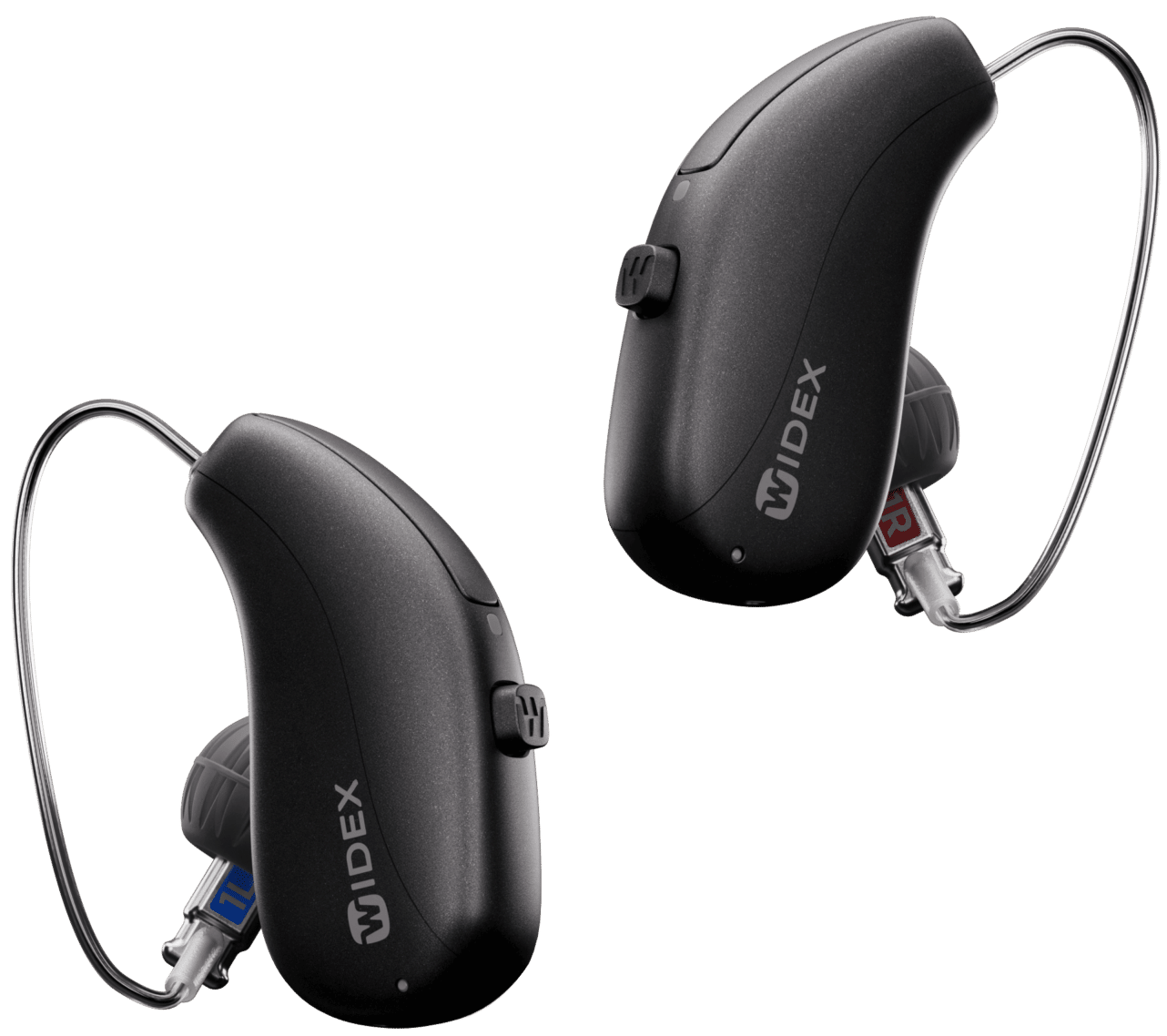
Categories
Ear Wax Removal

Poor Circulation’s Effect on Hearing Health

Last Updated on 26/12/2025 by Admin

Uncovering the Link Between Circulatory Health and Hearing Function

Discover How Blood Flow Influences Ear Health and Functionality

The flow of blood plays a pivotal role in sustaining the health of the auditory system, supplying critical nutrients and oxygen to the ears. The inner ear, housing the cochlea and other essential components for hearing, relies on a steady blood supply to function optimally. When circulation is compromised, the intricate structures within the inner ear may not receive the nourishment they require, which can lead to various forms of hearing loss.

The repercussions of inadequate circulation can present themselves in numerous ways, often beginning with subtle signs that may escalate into more serious issues. Initial symptoms might include a sensation of fullness in the ears or minor fluctuations in hearing ability. Should these indicators go unnoticed, they risk developing into more pronounced auditory complications. Therefore, the importance of maintaining proper blood flow cannot be overstated, as it directly influences auditory health and the preservation of hearing functions.

The relationship between blood flow and ear functionality is a biological reality affecting millions of individuals worldwide. By understanding how lifestyle choices and underlying health conditions impact circulatory health, people can better comprehend how these aspects affect their hearing. Prioritising vascular health allows individuals to take proactive measures to protect their hearing and maintain overall auditory well-being.

The Critical Role of Vascular Health in Maintaining Auditory Function

Vascular health is fundamental to the effective operation of the auditory system. A complex network of blood vessels must remain free from blockages and diseases to ensure optimal ear performance. A decline in vascular health considerably heightens the risk of hearing impairment. Conditions like atherosclerosis, characterised by the narrowing of arteries due to plaque accumulation, can lead to insufficient blood flow to the ears, putting auditory structures at risk.

The auditory system is intricately connected with the vascular system. For instance, the cochlea, which is responsible for converting sound vibrations into neural signals, requires a consistent blood supply to perform effectively. Deteriorating vascular health can jeopardise this essential supply, thereby reducing hearing capabilities. Moreover, conditions such as hypertension can alter blood vessels, further compromising auditory function.

To maintain optimal auditory health, it is crucial to cultivate healthy vascular habits. Engaging in regular cardiovascular exercise, consuming a balanced diet rich in antioxidants and healthy fats, and refraining from smoking are proactive measures that can defend vascular health. By understanding the relationship between vascular health and hearing capabilities, individuals can take tangible steps to improve their auditory well-being.

How Do Circulation Problems Lead to Hearing Loss? Understanding the Mechanisms

When circulation is impaired, the processes leading to hearing loss can be intricate and gradual. The inner ear, which requires a continuous supply of oxygen and nutrients, is especially susceptible to changes in blood flow. An inadequate blood supply can cause degeneration of the hair cells within the cochlea, obstructing their ability to relay sound signals to the brain. This degeneration typically occurs slowly, often going unnoticed until significant hearing impairment has already developed.

One significant pathway through which poor circulation can induce hearing loss is through oxidative stress. Reduced blood flow can elevate the risk of oxidative damage within auditory structures. Over time, this damage may lead to progressive hearing loss, underscoring the necessity for early intervention to preserve auditory function. Additionally, compromised blood vessels can trigger inflammation, which further harms the delicate tissues of the inner ear.

It is essential for individuals to be aware of the signs indicating potential hearing loss related to circulation issues. Regular hearing assessments and a heightened awareness of how circulatory health affects auditory function can help foster a proactive approach to managing hearing health. By understanding the underlying mechanisms, patients can work collaboratively with healthcare providers to implement preventive strategies that protect their hearing as they age.

Practical Strategies to Enhance Circulation for Better Hearing Outcomes

Improving circulation is a proactive method to enhance hearing health. A variety of lifestyle changes can promote better blood flow, ultimately benefiting auditory function. Engaging in consistent physical activity is among the most effective ways to encourage circulation. Activities like aerobic exercises, including brisk walking, cycling, or swimming, can significantly strengthen the heart and enhance blood flow throughout the body, including the ears.

A balanced diet is equally essential. Including foods rich in omega-3 fatty acids, antioxidants, and essential vitamins can bolster vascular health and stimulate blood flow. By incorporating leafy greens, berries, fish, and nuts into one’s diet, individuals can equip their bodies with vital nutrients that promote healthy circulation.

Staying well-hydrated is also critical for maintaining optimal circulation. Drinking sufficient water ensures that blood remains fluid and capable of flowing freely through the vessels. Dehydration can lead to thicker blood, increasing the risk of circulation problems.

Furthermore, regular health check-ups are vital for monitoring vascular health and identifying potential issues early on. By adopting a comprehensive approach to improving circulation, individuals can nurture a healthier auditory system and enhance their overall quality of life.

  • Engage in consistent aerobic exercises.
  • Consume a diet rich in omega-3 fatty acids.
  • Stay well-hydrated with ample water intake.
  • Limit the consumption of processed foods and sugars.
  • Practice stress-relief techniques like yoga or meditation.
  • Quit smoking and reduce alcohol intake.
  • Schedule regular health check-ups to monitor vascular health.
  • Consider supplements after consulting a healthcare professional.

Thorough Diagnostic Tests for Identifying Hearing Issues Linked to Circulation

Identifying hearing problems related to circulation necessitates a comprehensive approach that employs various diagnostic tests. One primary method is audiometry, which assesses an individual’s hearing sensitivity across multiple frequencies. This test can help determine the extent of hearing loss and whether it correlates with potential circulation issues.

Another valuable diagnostic tool is tympanometry. This examination evaluates the movement of the eardrum in response to changes in air pressure, revealing any problems within the middle ear, such as fluid accumulation, which may indicate underlying circulatory issues. If abnormalities are identified, further vascular imaging techniques such as Doppler ultrasound or angiography may be required to assess blood flow to the ears.

Timely diagnosis is crucial for effective intervention. By identifying circulation-related hearing problems promptly, healthcare providers can develop tailored treatment plans that address both auditory and vascular health. It is vital for patients to advocate for their health by seeking evaluations when they notice changes in their hearing, as proactive measures can significantly improve outcomes.

Insights from Experts on Poor Circulation’s Effects on Hearing Health

What Symptoms Indicate Poor Circulation in the Ears?

Recognising the symptoms of poor circulation in the ears is essential for early intervention. Signs of compromised auditory circulation may include tinnitus, which manifests as a persistent ringing or buzzing sound in the ears, hearing loss, and episodes of dizziness. These symptoms can serve as significant warnings that circulatory issues might be adversely affecting auditory health.

Additional common symptoms may encompass:

  • Challenges in understanding speech in noisy environments.
  • A sensation of fullness or pressure in the ears.
  • Sudden shifts in hearing abilities.
  • Frequent ear infections or fluid accumulation.
  • Chronic headaches that may accompany auditory symptoms.
  • Increased sensitivity to loud sounds.
  • Balance difficulties or a sense of unsteadiness.
  • Altered perceptions of sound quality.

Being able to identify these symptoms early can lead to improved management of circulatory health and potentially prevent further hearing loss. Awareness of these early warning signs empowers individuals to seek professional assistance and address underlying issues before they escalate into more serious problems.

How Can Specialists Diagnose Circulation-Related Hearing Loss Effectively?

Specialists utilise a variety of diagnostic tools to accurately identify hearing loss linked to poor circulation. Audiograms are among the most common tests, measuring an individual’s ability to hear across various frequencies and identifying patterns of hearing loss that may suggest underlying circulatory issues.

In addition to hearing assessments, healthcare professionals may perform blood flow evaluations to assess vascular health. Tests such as Doppler ultrasound provide imaging of blood flow in arteries and veins, assisting in the identification of blockages or irregularities that could be affecting hearing.

Early diagnosis is critical for effective treatment; thus, specialists are trained to recognise specific patterns in hearing tests that may indicate poor circulation. By combining audiometric data with vascular assessments, healthcare providers can gain a comprehensive understanding of the patient’s condition, guiding targeted treatment strategies.

It is imperative for individuals experiencing hearing difficulties to seek specialised care. Proactive engagement with healthcare providers not only facilitates the diagnosis of current issues but also establishes a foundation for ongoing monitoring of both auditory and vascular health.

What Recommendations Do Experts Offer for Circulation Improvement?

Experts recommend a variety of interventions aimed at enhancing circulation and, consequently, preserving or restoring hearing. Lifestyle modifications often represent the first line of defence. Regular physical activity is universally endorsed, as it strengthens the cardiovascular system and fosters improved blood flow to all organs, including the ears.

In addition to exercise, dietary changes can yield substantial benefits. A diet abundant in fruits, vegetables, whole grains, lean proteins, and healthy fats can bolster vascular health and improve circulation. Omega-3 fatty acids, found in fatty fish like salmon, have shown benefits for blood flow and overall cardiovascular health.

For some individuals, medications may be necessary to manage underlying conditions affecting circulation. Antihypertensives, anticoagulants, and lipid-lowering agents might be prescribed to enhance blood flow and reduce the risk of hearing loss. In more severe cases, surgical interventions may be considered, particularly if significant blockages are impacting blood supply.

Incorporating stress management strategies, such as mindfulness practices and meditation, can further enhance overall vascular health. These techniques help mitigate stress-induced hormonal effects that may constrict blood vessels, thereby improving circulation. Ultimately, a comprehensive approach to enhancing circulation is vital for preserving hearing health.

Lifestyle Choices That Impact Circulatory and Auditory Health

The Impact of Diet on Blood Flow and Hearing Function

Diet plays a fundamental role in maintaining healthy circulation, which directly affects hearing health. Adopting a balanced diet rich in essential nutrients can significantly enhance blood flow, thereby supporting improved auditory function. Foods high in antioxidants, omega-3 fatty acids, and vitamins are known to promote vascular health and protect hearing abilities.

Avoiding diets high in saturated fats and sugars is crucial to preventing circulatory problems. High-fat diets can lead to atherosclerosis, which narrows blood vessels and decreases blood flow to the ears. In contrast, incorporating heart-healthy foods such as avocados, nuts, and leafy greens can enhance circulation and improve auditory function.

Specific nutrients, including magnesium and potassium, also play a vital role in maintaining healthy blood vessels. Foods like bananas, spinach, and beans are excellent sources of these essential minerals, promoting better blood flow. Staying adequately hydrated is equally important, as sufficient fluid intake optimises blood viscosity, further encouraging circulation.

By recognising the connection between diet and circulation, individuals can make informed choices that bolster their hearing health. Prioritising a nutrient-dense diet not only enhances circulation but also improves overall well-being, creating an effective synergy between dietary habits and auditory health.

What Role Does Regular Exercise Play in Circulation and Hearing Health?

Regular physical activity is a cornerstone of maintaining healthy circulation, which directly influences hearing health. Engaging in exercise enhances cardiovascular fitness, ensuring efficient blood flow throughout the body, including the ears. Improved circulation supports the delivery of oxygen and nutrients to auditory structures, contributing to optimal hearing function.

Aerobic exercises such as running, cycling, and swimming are particularly effective for enhancing cardiovascular health. These activities elevate heart rate and stimulate blood flow, improving vascular efficiency. Additionally, strength training exercises can enhance metabolic health, further supporting circulation and overall bodily functions.

Incorporating specific exercises can yield additional benefits for hearing health. Activities that improve balance and coordination, such as yoga or tai chi, can help counteract age-related auditory decline. These practices not only boost physical fitness but also foster a mind-body connection, enhancing overall well-being.

To remain active, individuals should aim for at least 150 minutes of moderate-intensity aerobic exercise weekly. By establishing a regular exercise routine and including activities that promote circulation, individuals can significantly benefit their auditory health and overall quality of life.

  • Brisk walking
  • Cycling
  • Swimming
  • Dancing
  • Yoga
  • Strength training
  • Tai chi
  • Jogging

How Do Smoking and Alcohol Consumption Affect Circulation and Hearing Health?

Both smoking and excessive alcohol consumption can severely undermine circulation, leading to potential hearing issues. The harmful chemicals present in tobacco can damage blood vessels, resulting in decreased blood flow to various body parts, including the ears. This reduced circulation can contribute to hearing loss and other auditory complications.

Moreover, smoking is associated with increased inflammation throughout the body, exacerbating circulatory problems and leading to further auditory deterioration. Quitting smoking not only enhances overall health but also significantly improves circulation and auditory function.

Excessive alcohol consumption can also adversely affect blood flow. Chronic alcohol use may lead to hypertension and other cardiovascular issues, increasing the risk of hearing loss. Moderating alcohol intake is essential for maintaining healthy circulation and protecting hearing abilities.

Individuals aiming to enhance their hearing health should consider eliminating smoking and moderating alcohol consumption as part of a broader health strategy. By addressing these lifestyle factors, significant strides can be made toward improving circulation and safeguarding auditory health.

Medical Conditions That Affect Circulation and Hearing Impairment

What Common Health Issues Impact Circulation and Hearing?

Numerous medical conditions can adversely affect circulation, potentially leading to hearing loss. Common diseases linked to poor circulation include diabetes, hypertension, and cardiovascular diseases. Each of these conditions can hinder blood flow to the ears, resulting in auditory impairments.

For example, diabetes can gradually damage blood vessels, resulting in circulatory issues that impact not only extremities but also the auditory system. Individuals with diabetes face a heightened risk of hearing loss due to the vascular complications that often accompany the disease.

Hypertension, or high blood pressure, can also be detrimental to circulation. Elevated blood pressure may lead to structural changes in blood vessels, hindering their ability to supply adequate blood flow to the ears. This impairment can contribute to progressive hearing loss if not effectively managed.

Cardiovascular diseases, such as atherosclerosis and heart disease, can further restrict blood flow due to blocked vessels. These conditions significantly affect auditory function, emphasising the need for managing underlying health issues to preserve hearing.

By being aware of these common diseases and their impact on circulation, individuals can implement proactive measures to manage their health and mitigate the risk of hearing loss. Regular health screenings and lifestyle modifications can significantly enhance both vascular and auditory health.

How Do Medications Impact Circulation and Hearing Health?

Medications can significantly influence both circulation and hearing. Certain drugs may enhance blood flow, while others can lead to circulatory complications or even cause hearing loss. It is crucial for patients to understand the potential side effects of their medications and communicate any concerns with their healthcare providers.

For example, medications such as blood thinners can improve circulation by preventing clot formation. However, these drugs may increase bleeding risks, necessitating careful monitoring. Conversely, some common medications, particularly certain antibiotics and diuretics, are linked to ototoxicity, which can lead to hearing loss.

Additionally, hypertension medications, while critical for controlling blood pressure, can sometimes induce circulatory changes that impact hearing. It is vital for individuals to collaborate closely with their healthcare providers to find the right medication balance that supports both circulatory health and auditory function.

Patients should never discontinue or alter their medications without consulting a healthcare professional. By maintaining open communication and undergoing regular check-ups, individuals can navigate potential medication-related risks and safeguard their hearing health.

Understanding Age-Related Changes in Circulation and Hearing

As individuals age, various physiological changes occur within the body, including alterations in circulation that can affect hearing. Age-related modifications in blood vessel elasticity and functionality may result in decreased blood flow to the ears, contributing to hearing deterioration over time.

This reduction in circulation may aggravate age-related auditory conditions, such as presbycusis, a common form of hearing loss associated with aging. Reduced blood flow can impair the functioning of the cochlea and other auditory structures, leading to a gradual decline in hearing capacity.

Furthermore, age-related diseases like hypertension and atherosclerosis can complicate circulatory issues. Understanding these age-related changes is vital for proactive management of hearing health. Regular health check-ups and monitoring can help identify circulatory problems early, allowing for timely interventions to preserve auditory function.

Embracing a healthy lifestyle that includes a proper diet, regular exercise, and stress management can help mitigate some of the adverse effects of aging on circulation and hearing. By focusing on both vascular and auditory health, individuals can enjoy a better quality of life as they age.

Research Findings on the Correlation Between Circulation and Hearing

What Does Research Indicate About Circulation and Hearing Health?

Research consistently highlights a strong correlation between circulation and hearing health, with numerous studies demonstrating that improvements in circulation can positively influence auditory function. For instance, findings suggest that individuals who engage in regular aerobic exercise tend to experience better hearing outcomes, as increased blood flow enhances nutrient delivery to the ears.

Clinical research has shown that patients with circulatory problems exhibit higher rates of hearing loss compared to those with healthy vascular function. This correlation underscores the importance of maintaining good circulation to preserve hearing abilities. Real-world initiatives, such as community-based exercise programmes, have yielded significant enhancements in both circulatory health and auditory function among participants.

Moreover, studies have explored the effects of dietary interventions on circulation and hearing health. Research indicates that diets rich in omega-3 fatty acids can improve blood flow and enhance hearing capabilities. These findings reinforce the idea that lifestyle changes can serve as effective strategies for preserving auditory health.

By understanding the research-backed benefits of circulation on hearing, individuals can be motivated to adopt lifestyle changes that support both their vascular and auditory well-being. Emphasising the importance of regular health check-ups and healthy habits can lead to improved overall health outcomes.

How Does Enhanced Circulation Improve Hearing Abilities?

Enhanced circulation facilitates better nutrient and oxygen delivery to the ears, potentially boosting hearing abilities. When blood flow is optimal, the delicate structures of the inner ear receive the essential nourishment required for effective functioning. This improved blood supply can be particularly beneficial for individuals experiencing early signs of hearing loss.

By promoting vascular health through exercise and diet, individuals can create an environment conducive to maintaining auditory function. Improved circulation not only supports the structural integrity of the inner ear but also enhances the efficiency of auditory processing, leading to clearer sound perception and overall better hearing capabilities.

Moreover, enhanced circulation can help mitigate the risk of oxidative damage, which may contribute to hearing deterioration over time. Adequate blood flow assists in alleviating inflammation and promotes repair processes within the auditory system, ultimately resulting in improved hearing outcomes.

In summary, prioritising circulation is essential for maintaining and enhancing hearing abilities. By adopting healthy lifestyle practices, individuals can significantly benefit their auditory health and overall quality of life.

The Importance of Clinical Trials in Understanding Circulation and Hearing Connections

Clinical trials play a crucial role in advancing our understanding of how circulation affects hearing. These studies provide valuable insights into the relationship between vascular health and auditory function, guiding clinical practices and treatment strategies. By examining various interventions, researchers can evaluate the effectiveness of approaches aimed at improving circulation and, consequently, hearing health.

Clinical trials often assess the impact of lifestyle changes, medications, and surgical procedures on both circulatory and auditory health. For example, studies investigating the effects of exercise on hearing have shown positive outcomes, emphasising the benefits of enhanced circulation for auditory function. Such findings contribute to a growing body of evidence supporting the significance of vascular health in hearing preservation.

Additionally, clinical trials can identify potential risks associated with various treatments, enabling healthcare providers to make informed recommendations for patients. By participating in these studies, individuals can access cutting-edge interventions that may enhance their auditory health and overall well-being.

In summary, clinical trials are invaluable in deepening our understanding of the complex relationship between circulation and hearing. The data collected from these studies can lead to more effective treatment options, ultimately improving the quality of life for those affected by hearing loss.

The Long-Term Consequences of Poor Circulation on Hearing Loss

Chronic poor circulation can lead to progressive hearing loss, as sustained inadequate blood flow to the ears exacerbates auditory decline over time. Research indicates that individuals with prolonged circulatory issues face a greater risk of developing significant hearing impairments compared to those with healthy circulation.

The long-term ramifications of poor circulation on hearing loss often develop gradually, making early detection and intervention crucial. As blood flow dwindles, the delicate structures within the inner ear may suffer from oxidative damage and inflammation, resulting in irreversible hearing loss if not addressed.

Additionally, chronic circulatory problems can worsen age-related hearing decline, compounding the effects of natural aging processes. Individuals with poor vascular health may experience accelerated hearing loss, underscoring the importance of proactive measures to enhance circulation throughout life.

To mitigate the long-term effects of poor circulation on hearing, individuals should prioritise their vascular health through lifestyle changes, regular check-ups, and timely interventions. By understanding the potential consequences of chronic circulatory problems, individuals can take informed steps to protect their hearing health.

Preventive Strategies for Optimising Circulation and Hearing Health

What Daily Habits Can Improve Circulation and Hearing Health?

Incorporating healthy daily habits can significantly enhance both circulation and hearing health. Regular physical activity, a balanced diet, and stress management techniques can have a positive impact on vascular and auditory function.

Engaging in aerobic exercises, even in short intervals, promotes blood flow and strengthens the cardiovascular system. Simple activities like walking or cycling can easily be integrated into daily routines, making it more manageable to stay active.

A nutritious diet prioritising whole foods, such as fruits, vegetables, lean proteins, and healthy fats, supports vascular health and enhances circulation. Foods rich in antioxidants can combat oxidative stress, further protecting hearing abilities.

Stress management is equally important, as chronic stress can negatively affect circulation. Techniques such as deep breathing, meditation, and yoga can effectively reduce stress levels.

Additional daily habits to consider include:

  • Staying hydrated with sufficient water intake.
  • Avoiding excessive caffeine and alcohol consumption.
  • Limiting salt intake to manage blood pressure.
  • Incorporating short breaks and stretching during prolonged periods of inactivity.
  • Practising good posture to support circulation.
  • Getting adequate sleep to promote overall health.
  • Using ear protection in loud environments.
  • Maintaining a healthy weight to reduce strain on the cardiovascular system.

By adopting these daily habits, individuals can establish a solid foundation for improved circulation and hearing health, leading to enhanced overall well-being.

The Importance of Regular Health Check-Ups for Circulation and Hearing

Routine health check-ups are essential for monitoring circulation and hearing health, facilitating early intervention when issues arise. Regular screenings can help identify risk factors related to circulatory diseases and hearing impairments, enabling individuals to take proactive measures to protect their overall well-being.

Healthcare providers can evaluate an individual’s vascular health through routine blood pressure checks, cholesterol screenings, and other relevant tests. By tracking these metrics over time, patients and providers can collaborate to develop targeted strategies for improving circulatory health.

Moreover, regular audiometric evaluations can aid in detecting early signs of hearing loss. These assessments yield valuable data on an individual’s hearing abilities and can reveal patterns that might indicate circulation-related issues.

By prioritising regular health check-ups, individuals can stay informed about their health status and address potential problems before they escalate. This proactive approach fosters a greater understanding of the interconnectedness between circulation and hearing, ultimately leading to better health outcomes.

How Does Stress Management Impact Circulation and Hearing Health?

Stress can profoundly affect circulation, which in turn can impact hearing. Chronic stress often triggers the release of hormones such as cortisol and adrenaline, which constrict blood vessels and inhibit blood flow. This reduction in circulation may hinder the delivery of oxygen and nutrients to the ears, exacerbating auditory issues over time.

Implementing effective stress management techniques is essential for maintaining healthy circulation and preserving hearing health. Incorporating practices such as mindfulness, meditation, and physical activity can help alleviate stress levels and support vascular function.

Engaging in regular exercise not only reduces stress but also enhances blood flow, creating a beneficial cycle for both circulation and auditory health. Establishing a strong support network and practising relaxation techniques can further improve an individual’s ability to effectively manage stress.

By recognising the connection between stress and circulation, individuals can adopt stress-reducing strategies that foster overall health, including the preservation of hearing. Prioritising mental well-being is integral to maintaining both circulatory and auditory function.

Technological Innovations Addressing Circulation-Related Hearing Concerns

What New Technologies Aid in Diagnosing Circulation Issues?

Technological advancements have revolutionised the diagnosis of circulation problems related to hearing. Innovative imaging and diagnostic tools empower healthcare providers to accurately assess vascular health. For instance, Doppler ultrasound technology enables clinicians to visualise blood flow in real-time, identifying potential blockages or irregularities that could impact circulation.

Furthermore, advanced audiometric testing equipment offers heightened sensitivity in detecting subtle changes in hearing abilities. These tools allow specialists to establish more precise connections between circulatory health and auditory function, resulting in more tailored treatment plans for patients.

The integration of telemedicine into audiology and vascular evaluations has expanded access to specialised care. Patients can receive consultations and follow-up assessments remotely, making it easier to monitor their health and address any emerging issues promptly.

These technological advancements are vital for the early detection and intervention of circulation-related hearing problems, ultimately improving patient outcomes and fostering a greater understanding of the relationship between circulation and hearing health.

Innovative Treatments for Enhancing Circulation and Hearing Health

Recent innovations in treatment strategies for circulation and hearing health present promising solutions for individuals facing these interconnected challenges. New medications designed to enhance vascular function and improve blood flow are emerging, providing hope for those with circulatory problems contributing to hearing loss.

Moreover, minimally invasive surgical techniques can restore proper blood flow in individuals with significant blockages affecting their auditory health. These procedures generally entail less risk and quicker recovery times compared to traditional surgeries, making them a viable option for many patients.

In the realm of auditory health, advancements in hearing aid technology are noteworthy. Modern hearing aids now feature enhancements that not only improve sound quality but may also incorporate elements designed to promote better circulation. This dual functionality could lead to improved auditory outcomes while addressing underlying vascular concerns.

By staying informed about new treatment options and advancements in both circulation and hearing health, individuals can make empowered decisions regarding their care and explore innovative strategies that support their overall well-being.

The Future of Hearing Aids and Their Role in Promoting Circulation

The future of hearing aids holds exciting possibilities for enhancing both auditory and circulatory health. Technological innovations may lead to the development of hearing aids that incorporate features aimed at promoting better blood flow and vascular function. This dual-purpose approach could revolutionise the treatment of hearing loss, particularly for individuals with underlying circulatory issues.

Emerging technologies such as smart hearing aids may monitor real-time physiological data, including indicators of vascular health. This capability would provide valuable insights into an individual’s circulatory status and help guide interventions aimed at preserving both hearing and vascular function.

Furthermore, advancements in artificial intelligence and machine learning may enable hearing aids to dynamically adapt to an individual’s environment, optimising sound quality while considering the user’s overall health needs. This integration of health monitoring with auditory assistance marks a significant leap towards a more holistic approach to hearing care.

By keeping abreast of these advancements, individuals can benefit from enhanced hearing aids that not only improve auditory experiences but also contribute to better overall health outcomes, fostering a more interconnected perspective on hearing and circulation.

Emerging Technologies for Non-Invasive Circulation Enhancement

Innovative technologies are being developed to enhance blood flow non-invasively, presenting exciting prospects for individuals experiencing circulation-related hearing issues. Techniques such as transcutaneous electrical nerve stimulation (TENS) and low-level laser therapy (LLLT) are under exploration for their potential to improve circulation without the need for invasive procedures.

TENS employs electrical impulses to stimulate nerves, promoting vasodilation and enhancing blood flow to targeted areas. Similarly, LLLT utilises specific wavelengths of light to stimulate cellular activities, which may improve circulation and promote healing in tissues affected by poor blood flow.

These non-invasive therapies can be particularly beneficial for those seeking alternatives to traditional treatments for circulatory issues, including those impacting hearing health. By prioritising safety and comfort, these technologies offer accessible options for individuals aiming to enhance their vascular health.

As research continues to progress in this area, individuals can stay informed about new developments and consider incorporating these innovative practices into their health management strategies. Non-invasive options for improving circulation can complement existing approaches to preserving hearing health.

The Role of Wearable Technology in Monitoring Circulation and Hearing

Wearable technology is revolutionising the way individuals monitor their circulation and hearing health. Devices such as smartwatches and fitness trackers provide real-time data on heart rate, activity levels, and even sleep patterns, empowering users to take a proactive stance in their health.

These wearables can also include features that monitor vascular health, such as blood oxygen levels and blood pressure, providing valuable insights into overall circulatory function. By leveraging this data, individuals can identify patterns or changes that may indicate potential circulatory issues affecting their hearing.

The integration of hearing monitoring features into wearable technology is also on the rise. Some devices can track sound exposure levels and alert users to potentially harmful environments, helping to protect against noise-induced hearing loss.

By utilising wearable technology, individuals can take charge of their health, making informed decisions to enhance both circulation and auditory function. The continuous feedback provided by these devices encourages a more engaged approach to managing overall health, ultimately leading to better outcomes for hearing and circulation-related issues.

Frequently Asked Questions Addressing Circulation and Hearing Health

What is the connection between poor circulation and hearing loss?

Poor circulation can diminish blood flow to the ears, causing damage to the delicate structures vital for hearing. If left unaddressed, this can result in gradual hearing loss over time.

How can I determine if I have circulation-related hearing issues?

Symptoms may include tinnitus, difficulties understanding speech, dizziness, and sudden changes in hearing abilities. If you experience these symptoms, consult a healthcare professional.

What lifestyle changes can enhance circulation and hearing health?

Regular exercise, a nutrient-rich balanced diet, hydration, and effective stress management techniques can significantly improve circulation and support hearing health.

Can medications impact my hearing?

Yes, certain medications may have side effects that influence blood flow or hearing capabilities. It is essential to discuss any concerns with your healthcare provider to find suitable alternatives.

What tests are commonly used to diagnose circulation-related hearing loss?

Common tests include audiometry, tympanometry, and blood flow assessments. These evaluations help determine the extent of hearing loss and its correlation with circulatory issues.

How does aging affect circulation and hearing?

As individuals age, changes in blood vessel elasticity and function can lead to decreased blood flow to the ears, increasing the risk of hearing loss and age-related auditory conditions.

What dietary choices support circulation and hearing health?

A diet rich in fruits, vegetables, whole grains, and healthy fats, particularly omega-3 fatty acids, can promote good circulation and enhance auditory function.

Are there non-invasive treatments for circulation issues affecting hearing?

Emerging technologies like transcutaneous electrical nerve stimulation (TENS) and low-level laser therapy (LLLT) are being explored as non-invasive methods to enhance circulation and support hearing health.

How can I monitor my circulation and hearing health?

Wearable technology, such as smartwatches and fitness trackers, can provide real-time data on heart rate, activity levels, and even sound exposure, helping you stay informed about your health.

What role does stress play in circulation and hearing health?

Chronic stress can constrict blood vessels and impair blood flow, negatively impacting both circulation and hearing. Stress management techniques are essential for maintaining overall health.

Explore our world on X!

The post Poor Circulation and Its Impact on Hearing Health appeared first on The Microsuction Ear Wax Removal Network.

The post Poor Circulation and Its Impact on Hearing Health appeared first on Healthcare Marketing Service.
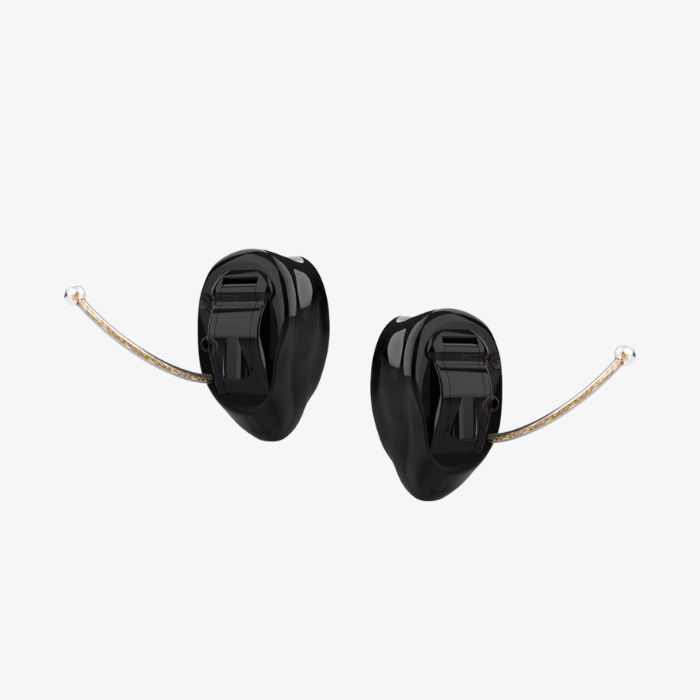
Categories
Ear Wax Removal

Poor Circulation’s Effect on Hearing Health

Last Updated on 26/12/2025 by Admin

Understanding the Critical Link Between Circulation and Hearing Health

Discovering the Impact of Blood Flow on Ear Functionality

The flow of blood plays an indispensable role in maintaining the overall health of the auditory system, as it delivers vital nutrients and oxygen essential for proper ear function. The inner ear, which houses the cochlea along with other critical components necessary for hearing, relies heavily on a robust blood supply to operate effectively. When circulation is compromised, the intricate structures within the inner ear may struggle to receive the nourishment they require, which can lead to serious issues such as hearing loss.

The repercussions of inadequate circulation may present in various forms, often starting subtly before escalating into more serious conditions. Initial symptoms may include a sensation of fullness in the ears or minor fluctuations in hearing capacity. If these early warning signs are ignored, they can progress into more significant auditory challenges. Therefore, it is crucial to understand the importance of maintaining optimal blood flow, as it is intrinsically linked to auditory health and the preservation of hearing capabilities.

The relationship between blood flow and ear functionality is a physiological reality that influences millions of individuals around the globe. By understanding how lifestyle choices and underlying health issues impact circulatory health, people can gain insights into how these factors affect their hearing abilities. By prioritising vascular health, individuals can take proactive steps to safeguard their hearing and ensure their overall auditory well-being remains intact.

The Essential Role of Vascular Health in Enhancing Auditory Function

Maintaining optimal vascular health is vital for the efficient functioning of the auditory system. A complex network of blood vessels must remain free from blockages and diseases to ensure that the ears function at their best. A decline in vascular health significantly heightens the risk of hearing impairment. Conditions such as atherosclerosis, which involves the narrowing of arteries due to plaque build-up, can lead to insufficient blood flow to the ears, ultimately compromising the delicate auditory structures.

The auditory system is intricately intertwined with the vascular system. For example, the cochlea, which is responsible for converting sound vibrations into neural signals, necessitates a steady blood supply to function effectively. Poor vascular health can jeopardise this critical supply, resulting in diminished hearing abilities. Furthermore, conditions such as hypertension can induce changes in blood vessels, further impacting auditory function.

To promote optimal auditory health, it is essential to cultivate healthy vascular habits. Engaging in regular cardiovascular exercise, consuming a well-balanced diet rich in antioxidants and healthy fats, and avoiding smoking are all proactive measures to protect vascular health. By understanding the connection between vascular health and hearing capabilities, individuals can take tangible actions to enhance their auditory well-being.

Exploring the Complex Mechanisms Behind Hearing Loss Linked to Circulatory Problems

When circulation falters, the processes that lead to hearing loss can be complex and gradual. The inner ear, which requires a consistent supply of oxygen and nutrients, is particularly susceptible to variations in blood flow. Insufficient blood supply may lead to the degeneration of hair cells within the cochlea, hindering their ability to transmit sound signals to the brain. This degeneration often occurs over time, frequently going unnoticed until significant hearing impairment has already developed.

Poor circulation can lead to hearing loss through mechanisms such as oxidative stress. Reduced blood flow can heighten the risk of oxidative damage within auditory structures. Over time, this damage may result in progressive hearing loss, underscoring the urgent need for early intervention to preserve auditory function. Additionally, compromised blood vessels may trigger inflammation, further damaging the sensitive tissues of the inner ear.

It is crucial for individuals to recognise the signs that may indicate potential hearing loss associated with circulatory issues. Regular hearing assessments and an acute awareness of how circulatory health impacts auditory function can empower proactive management of hearing health. By grasping the underlying mechanisms, patients can work collaboratively with healthcare providers to implement preventive strategies aimed at protecting their hearing as they age.

Proven Strategies to Enhance Circulation for Better Hearing Outcomes

Improving circulation is a proactive strategy to enhance hearing health effectively. Numerous lifestyle modifications can lead to improved blood flow, ultimately benefiting auditory function. Regular physical activity stands out as one of the most effective means to promote circulation. Engaging in aerobic exercises such as brisk walking, cycling, or swimming can significantly strengthen the heart and improve blood flow throughout the body, including the ears.

A well-balanced diet is equally vital for circulation and hearing health. Incorporating foods rich in omega-3 fatty acids, antioxidants, and essential vitamins can enhance vascular health and improve blood flow. By adding leafy greens, berries, fish, and nuts to their diets, individuals can supply their bodies with essential nutrients that promote healthy circulation.

Staying adequately hydrated is also crucial for maintaining good circulation. Consuming sufficient water ensures that the blood remains fluid and capable of flowing freely through vessels. Dehydration can lead to thicker blood, increasing the risk of circulation problems.

Moreover, regular health check-ups play a critical role in monitoring vascular health and addressing potential issues early on. By adopting a comprehensive approach to enhance circulation, individuals can nurture a healthier auditory system and overall well-being.

  • Engage in consistent aerobic exercises.
  • Consume a diet rich in omega-3 fatty acids.
  • Stay well-hydrated by drinking plenty of water.
  • Limit the consumption of processed foods and sugars.
  • Practice stress-relief techniques such as yoga or meditation.
  • Quit smoking and reduce alcohol intake.
  • Schedule regular health check-ups to monitor vascular health.
  • Consider supplements after consulting with a healthcare professional.

Thorough Diagnostic Tests for Hearing Issues Linked to Circulation

Identifying hearing problems associated with circulation requires a comprehensive approach, employing a variety of diagnostic tests. One primary method is audiometry, which evaluates an individual’s hearing sensitivity across multiple frequencies. This test can help ascertain the degree of hearing loss and determine whether it correlates with potential circulation issues.

Another valuable diagnostic tool is tympanometry. This test assesses the movement of the eardrum in response to changes in air pressure and can reveal problems within the middle ear, such as fluid accumulation, which may indicate underlying circulatory issues. If abnormalities are identified, further vascular imaging techniques, such as Doppler ultrasound or angiography, may be necessary to evaluate blood flow to the ears.

Timely diagnosis is crucial for effective intervention. By promptly identifying circulation-related hearing issues, healthcare providers can develop tailored treatment plans that address both auditory and vascular health. It is essential for patients to advocate for their health by seeking timely evaluations when they notice changes in their hearing, as proactive measures can significantly enhance outcomes.

Insights from Experts on the Effects of Poor Circulation on Hearing

What Symptoms Indicate Poor Circulation in the Ears?

Recognising the symptoms of poor circulation in the ears is vital for early intervention. Signs of compromised auditory circulation may include tinnitus—a persistent ringing or buzzing sound in the ears—hearing loss, and episodes of dizziness. These symptoms can serve as significant warnings that circulatory problems may be affecting auditory health.

Additional common symptoms may include:

  • Challenges in understanding speech in noisy environments.
  • A feeling of fullness or pressure in the ears.
  • Sudden changes in hearing abilities.
  • Frequent ear infections or fluid accumulation.
  • Chronic headaches that may accompany auditory symptoms.
  • Heightened sensitivity to loud sounds.
  • Balance difficulties or unsteadiness.
  • Altered perceptions of sound quality.

Being able to recognise these symptoms early can lead to better management of circulatory health and potentially prevent further hearing loss. Awareness of these early warning signs empowers individuals to seek professional assistance and address underlying issues before they escalate.

How Can Specialists Diagnose Circulation-Related Hearing Loss Effectively?

Specialists utilise a variety of diagnostic tools to accurately diagnose hearing loss associated with poor circulation. Audiograms are among the most commonly used tests, measuring an individual’s hearing ability across various frequencies and identifying patterns of hearing loss that may indicate underlying circulatory issues.

In addition to hearing assessments, healthcare professionals may conduct blood flow evaluations to assess vascular health. Tests such as Doppler ultrasound provide imaging of blood flow in arteries and veins, assisting in the identification of any blockages or irregularities that could affect hearing.

Early diagnosis is crucial for effective treatment; thus, specialists are trained to identify specific patterns in hearing tests that may suggest poor circulation. By combining audiometric data with vascular assessments, healthcare providers can obtain a comprehensive understanding of the patient’s condition, informing targeted treatment strategies.

It is imperative for individuals experiencing hearing difficulties to seek specialised care. Proactive engagement with healthcare providers not only facilitates the diagnosis of current issues but also establishes a foundation for ongoing monitoring of auditory and vascular health.

What Expert Recommendations Exist for Improving Circulation?

Experts recommend a variety of interventions aimed at enhancing circulation and, consequently, preserving or restoring hearing. Lifestyle modifications are often the first line of defence. Regular physical activity is universally endorsed, as it strengthens the cardiovascular system and promotes improved blood flow to all organs, including the ears.

In addition to exercise, dietary changes can yield significant benefits. A diet abundant in fruits, vegetables, whole grains, lean proteins, and healthy fats can enhance vascular health and improve circulation. Omega-3 fatty acids, found in fish like salmon, have demonstrated benefits for blood flow and overall cardiovascular health.

For some individuals, medications may be necessary to manage underlying conditions affecting circulation. Antihypertensives, anticoagulants, and lipid-lowering agents may be prescribed to enhance blood flow and reduce the risk of hearing loss. In more severe cases, surgical interventions may be considered, particularly if significant blockages impact blood supply.

Incorporating stress management strategies, such as mindfulness practices and meditation, can also improve overall vascular health. These techniques help alleviate stress-induced hormonal effects that may constrict blood vessels, thus enhancing circulation. Overall, a comprehensive approach to improving circulation is essential for preserving hearing health.

Daily Lifestyle Choices That Impact Circulation and Hearing Health

The Crucial Role of Diet in Enhancing Blood Flow and Hearing Function

Diet plays a fundamental role in sustaining healthy circulation, which directly affects hearing health. Embracing a balanced diet rich in essential nutrients can improve blood flow, thereby supporting better auditory function. Foods abundant in antioxidants, omega-3 fatty acids, and vitamins are known to promote vascular health and safeguard hearing capabilities.

Avoiding diets high in saturated fats and sugars is essential to preventing circulatory problems. Diets laden with unhealthy fats can lead to atherosclerosis, which narrows blood vessels and diminishes blood flow to the ears. In contrast, incorporating heart-healthy foods such as avocados, nuts, and leafy greens can enhance circulation and improve auditory function.

Certain nutrients, including magnesium and potassium, also play a significant role in maintaining healthy blood vessels. Foods such as bananas, spinach, and beans are excellent sources of these essential minerals, promoting better blood flow. Staying adequately hydrated is equally important, as sufficient fluid intake optimises blood viscosity, further encouraging circulation.

By recognising the connection between diet and circulation, individuals can make informed choices that bolster their hearing health. Prioritising a nutrient-dense diet not only enhances circulation but also improves overall well-being, creating a powerful synergy between dietary habits and auditory health.

What Impact Does Regular Exercise Have on Circulation and Hearing Health?

Regular physical activity is a cornerstone of maintaining healthy circulation, which directly influences hearing health. Engaging in exercise enhances cardiovascular fitness, ensuring efficient blood flow throughout the body, including the ears. Improved circulation facilitates the delivery of oxygen and nutrients to auditory structures, contributing to optimal hearing function.

Aerobic exercises such as running, cycling, and swimming are particularly effective for enhancing cardiovascular health. These activities elevate heart rate and stimulate blood flow, thereby improving vascular efficiency. Additionally, strength training exercises can enhance metabolic health, further supporting circulation and overall bodily functions.

Incorporating specific exercises can yield additional benefits for hearing health. Activities that improve balance and coordination, such as yoga or tai chi, can help counteract age-related auditory decline. These practices not only boost physical fitness but also foster a mind-body connection, enhancing overall well-being.

To remain active, individuals should aim for at least 150 minutes of moderate-intensity aerobic exercise each week. By establishing a regular exercise routine and incorporating activities that promote circulation, individuals can significantly benefit their auditory health and overall quality of life.

  • Brisk walking
  • Cycling
  • Swimming
  • Dancing
  • Yoga
  • Strength training
  • Tai chi
  • Jogging

The Negative Effects of Smoking and Alcohol on Circulation and Hearing

Both smoking and excessive alcohol consumption can severely compromise circulation, leading to potential hearing issues. The harmful chemicals present in tobacco can damage blood vessels, resulting in diminished blood flow to various body parts, including the ears. This reduced circulation can contribute to hearing loss and other auditory complications.

Moreover, smoking is associated with increased inflammation throughout the body, which can exacerbate circulatory problems and lead to further auditory deterioration. Quitting smoking not only enhances overall health but also significantly improves circulation and auditory function.

Excessive alcohol consumption can also adversely affect blood flow. Chronic alcohol use can lead to hypertension and other cardiovascular issues, heightening the risk of hearing loss. Moderating alcohol intake is essential for maintaining healthy circulation and protecting hearing abilities.

Individuals aiming to enhance their hearing health should consider eliminating smoking and moderating alcohol consumption as part of a broader health strategy. By addressing these lifestyle factors, significant strides can be made toward improving circulation and safeguarding auditory health.

Medical Conditions Linked to Poor Circulation and Hearing Impairment

What Common Diseases Impact Circulation and Hearing?

Several medical conditions can adversely affect circulation and potentially lead to hearing loss. Common diseases associated with poor circulation include diabetes, hypertension, and cardiovascular diseases. Each of these conditions can compromise blood flow to the ears, resulting in auditory impairments.

For instance, diabetes can gradually damage blood vessels, resulting in circulatory issues that impact not only extremities but also the auditory system. Individuals with diabetes face a heightened risk of hearing loss due to the vascular complications often accompanying the disease.

Hypertension, or high blood pressure, can also be detrimental to circulation. Elevated blood pressure may lead to structural changes in blood vessels, hindering their ability to supply adequate blood flow to the ears. This impairment can contribute to progressive hearing loss if not effectively managed.

Cardiovascular diseases, such as atherosclerosis and heart disease, can further restrict blood flow due to blocked vessels. These conditions can significantly affect auditory function, emphasising the need for managing underlying health issues to preserve hearing.

By being aware of these common diseases and their impact on circulation, individuals can implement proactive measures to manage their health and mitigate the risk of hearing loss. Regular health screenings and lifestyle modifications can significantly enhance both vascular and auditory health.

How Do Medications Impact Circulation and Hearing Health?

Medications can significantly influence both circulation and hearing. Certain drugs may enhance blood flow, while others can lead to circulatory complications or even cause hearing loss. It is crucial for patients to understand the potential side effects of their medications and communicate any concerns with their healthcare providers.

For instance, medications such as blood thinners can improve circulation by preventing clot formation. However, these drugs may increase bleeding risks, necessitating careful monitoring. Conversely, some common medications, particularly certain antibiotics and diuretics, are associated with ototoxicity, which can lead to hearing loss.

Additionally, hypertension medications, while critical for controlling blood pressure, can sometimes induce circulatory changes that impact hearing. It is vital for individuals to collaborate closely with their healthcare providers to find the right medication balance that supports both circulatory health and auditory function.

Patients should never discontinue or alter their medications without consulting a healthcare professional. By maintaining open communication and undergoing regular check-ups, individuals can navigate potential medication-related risks and safeguard their hearing health.

Understanding the Connection Between Age-Related Changes and Circulation

As individuals age, various physiological changes occur in the body, including alterations in circulation that can affect hearing. Age-related modifications in blood vessel elasticity and functionality can result in decreased blood flow to the ears, contributing to hearing deterioration over time.

This reduction in circulation may aggravate age-related auditory conditions, such as presbycusis, a common form of hearing loss associated with aging. Reduced blood flow can impair the functioning of the cochlea and other auditory structures, leading to a gradual decline in hearing capacity.

Furthermore, age-related diseases like hypertension and atherosclerosis can complicate circulatory issues. Understanding these age-related changes is vital for proactive management of hearing health. Regular health check-ups and monitoring can help identify circulatory problems early, allowing for timely interventions to preserve auditory function.

Embracing a healthy lifestyle that includes a proper diet, regular exercise, and effective stress management can mitigate some of the adverse effects of aging on circulation and hearing. By focusing on both vascular and auditory health, individuals can enjoy a better quality of life as they age.

Research-Backed Insights on the Connection Between Circulation and Hearing

What Does Research Reveal About Circulation and Hearing Health?

Research consistently highlights a robust correlation between circulation and hearing health, with numerous studies demonstrating how improvements in circulation can positively influence auditory function. For example, findings indicate that individuals who engage in regular aerobic exercise tend to experience better hearing outcomes, as increased blood flow enhances nutrient delivery to the ears.

Clinical research has shown that patients with circulatory problems exhibit higher rates of hearing loss compared to those with healthy vascular function. This correlation underscores the importance of maintaining good circulation to preserve hearing abilities. Real-world initiatives, such as community-based exercise programmes, have yielded significant enhancements in both circulatory health and auditory function among participants.

Moreover, studies have investigated the effects of dietary interventions on circulation and hearing health. Research suggests that diets rich in omega-3 fatty acids can enhance blood flow and improve hearing capabilities. These findings reinforce the notion that lifestyle changes can serve as effective strategies for preserving auditory health.

By understanding the research-backed advantages of circulation on hearing, individuals can be motivated to adopt lifestyle changes that support both their vascular and auditory well-being. Emphasising the importance of regular health check-ups and healthy habits can lead to improved overall health outcomes.

How Does Enhanced Circulation Improve Hearing Abilities?

Enhanced circulation facilitates the delivery of essential nutrients and oxygen to the ears, potentially boosting hearing abilities. When blood flow is optimal, the delicate structures of the inner ear receive the vital nourishment they require for effective functioning. This improved blood supply can be particularly beneficial for individuals experiencing early signs of hearing loss.

By promoting vascular health through exercise and diet, individuals can cultivate an environment conducive to maintaining auditory function. Enhanced circulation not only supports the structural integrity of the inner ear but also boosts the efficiency of auditory processing, leading to clearer sound perception and overall improved hearing abilities.

Moreover, improved circulation can mitigate the risk of oxidative damage, which may contribute to hearing deterioration over time. Adequate blood flow helps alleviate inflammation and promotes healing processes within the auditory system, ultimately leading to enhanced hearing outcomes.

In summary, prioritising circulation is essential for maintaining and improving hearing abilities. By adopting healthy lifestyle practices, individuals can significantly benefit their auditory health and overall quality of life.

The Importance of Clinical Trials in Understanding the Relationship Between Circulation and Hearing

Clinical trials are pivotal in deepening our understanding of how circulation affects hearing. These studies provide valuable insights into the relationship between vascular health and auditory function, guiding clinical practices and treatment strategies. By examining various interventions, researchers can assess the effectiveness of approaches aimed at improving circulation and, consequently, hearing health.

Clinical trials frequently evaluate the impact of lifestyle changes, medications, and surgical procedures on both circulatory and auditory health. For example, studies investigating the effects of exercise on hearing have revealed positive results, emphasising the benefits of enhanced circulation for auditory function. Such findings contribute to an expanding body of evidence supporting the significance of vascular health in hearing preservation.

Additionally, clinical trials can identify potential risks associated with various treatments, enabling healthcare providers to make informed recommendations for patients. By participating in these studies, individuals can access cutting-edge interventions that may enhance their auditory health and overall well-being.

In conclusion, clinical trials are invaluable in advancing our understanding of the intricate relationship between circulation and hearing. The data collected from these studies can lead to more effective treatment options, ultimately improving the quality of life for those affected by hearing loss.

Long-Term Consequences of Poor Circulation on Hearing Loss

Chronic poor circulation can lead to progressive hearing loss, as sustained inadequate blood flow to the ears exacerbates auditory decline over time. Research indicates that individuals with prolonged circulatory issues face a greater risk of developing significant hearing impairments compared to those with healthy circulation.

The long-term ramifications of poor circulation on hearing loss often develop gradually, making early detection and intervention vital. As blood flow dwindles, the delicate structures within the inner ear may suffer from oxidative damage and inflammation, leading to irreversible hearing loss if not addressed.

Additionally, chronic circulatory issues can worsen age-related hearing decline, compounding the effects of natural aging processes. Individuals with poor vascular health may experience accelerated hearing loss, underscoring the importance of proactive measures to enhance circulation throughout life.

To mitigate the long-term effects of poor circulation on hearing, individuals should prioritise their vascular health through lifestyle changes, regular check-ups, and timely interventions. By understanding the potential consequences of chronic circulatory problems, individuals can take empowered steps to safeguard their hearing health.

Preventive Strategies for Maintaining Optimal Circulation and Hearing

What Daily Habits Can Enhance Circulation and Hearing Health?

Integrating healthy daily habits can significantly boost both circulation and hearing health. Regular physical activity, a balanced diet, and stress management techniques can create a positive impact on vascular and auditory function.

Engaging in aerobic exercises, even in brief intervals, promotes blood flow and strengthens the cardiovascular system. Simple activities such as walking or cycling can easily fit into daily routines, making it more manageable to stay active.

A nutritious diet that prioritises whole foods, such as fruits, vegetables, lean proteins, and healthy fats, supports vascular health and enhances circulation. Foods rich in antioxidants can combat oxidative stress, further protecting hearing abilities.

Stress management is equally crucial, as chronic stress can negatively affect circulation. Techniques like deep breathing, meditation, and yoga can effectively lower stress levels and enhance overall well-being.

Additional daily habits to consider include:

  • Staying hydrated by drinking adequate water.
  • Avoiding excessive caffeine and alcohol consumption.
  • Limiting salt intake to manage blood pressure.
  • Incorporating short breaks and stretching during prolonged periods of inactivity.
  • Practising good posture to support circulation.
  • Ensuring sufficient sleep to promote overall health.
  • Using ear protection in loud environments.
  • Maintaining a healthy weight to reduce strain on the cardiovascular system.

By adopting these daily habits, individuals can establish a solid foundation for improved circulation and hearing health, leading to enhanced overall well-being.

The Importance of Regular Health Check-Ups

Routine health check-ups are essential for monitoring circulation and hearing health, facilitating early intervention when issues arise. Regular screenings can help identify risk factors related to circulatory diseases and hearing impairments, enabling individuals to take proactive measures to protect their overall well-being.

Healthcare providers can assess an individual’s vascular health through routine blood pressure checks, cholesterol screenings, and other relevant tests. By tracking these metrics over time, patients and providers can collaborate to develop targeted strategies for improving circulatory health.

Moreover, regular audiometric evaluations can assist in detecting early signs of hearing loss. These assessments yield valuable data on an individual’s hearing capabilities and can reveal patterns that might indicate circulation-related issues.

By prioritising regular health check-ups, individuals can stay informed about their health status and address potential problems before they escalate. This proactive approach fosters a greater understanding of the interconnectedness between circulation and hearing, ultimately leading to improved health outcomes.

How Does Stress Management Affect Circulation and Hearing Health?

Stress can profoundly impact circulation, which in turn can affect hearing. Chronic stress often triggers the release of hormones like cortisol and adrenaline, which constrict blood vessels and inhibit blood flow. This reduction in circulation may hinder the supply of oxygen and nutrients to the ears, exacerbating auditory issues over time.

Implementing effective stress management techniques is crucial for maintaining healthy circulation and preserving hearing health. Incorporating practices such as mindfulness, meditation, and physical activity can help alleviate stress levels and support vascular function.

Engaging in regular exercise not only reduces stress but also enhances blood flow, creating a beneficial cycle for both circulation and auditory health. Establishing a strong support network and practising relaxation techniques can further improve an individual’s capacity to manage stress effectively.

By recognising the connection between stress and circulation, individuals can adopt stress-reducing strategies that foster overall health, including the preservation of hearing. Prioritising mental well-being is integral to maintaining both circulatory and auditory function.

Technological Innovations Addressing Circulation-Related Hearing Concerns

What New Technologies Facilitate the Diagnosis of Circulation Problems?

Technological advancements have transformed the diagnosis of circulation issues related to hearing. Innovative imaging and diagnostic tools empower healthcare providers to accurately assess vascular health. For instance, Doppler ultrasound technology allows clinicians to visualise blood flow in real-time, identifying potential blockages or irregularities that may impact circulation.

Furthermore, advanced audiometric testing equipment offers heightened sensitivity in detecting subtle changes in hearing capabilities. These tools enable specialists to establish more precise correlations between circulatory health and auditory function, resulting in more tailored treatment plans for patients.

The integration of telemedicine into audiology and vascular evaluations has expanded access to specialised care. Patients can receive consultations and follow-up assessments remotely, making it easier to monitor their health and address any emerging issues promptly.

These technological advancements are crucial for the early detection and intervention of circulation-related hearing problems, ultimately enhancing patient outcomes and fostering a better understanding of the relationship between circulation and hearing health.

Innovative Treatments for Enhancing Circulation and Hearing Health

Recent innovations in treatment strategies for circulation and hearing health offer promising solutions for individuals facing these interconnected challenges. New medications designed to enhance vascular function and improve blood flow are emerging, providing hope for those experiencing circulatory problems that contribute to hearing loss.

Moreover, minimally invasive surgical techniques can restore proper blood flow in individuals with significant blockages affecting their auditory health. These procedures generally entail less risk and quicker recovery times compared to traditional surgeries, making them a viable option for many patients.

In the realm of auditory health, advancements in hearing aid technology are noteworthy. Modern hearing aids now come equipped with features that not only enhance sound quality but may also incorporate elements aimed at promoting better circulation. This dual functionality could lead to improved auditory outcomes while addressing underlying vascular concerns.

By staying informed about new treatment options and advancements in both circulation and hearing health, individuals can make empowered decisions regarding their care and explore innovative strategies that support their overall well-being.

The Future of Hearing Aids and Their Role in Enhancing Circulation

The future of hearing aids is filled with exciting possibilities for enhancing both auditory and circulatory health. Technological innovations may lead to the development of hearing aids that incorporate features designed to promote better blood flow and vascular function. This dual-purpose approach could revolutionise the treatment of hearing loss, particularly for individuals with underlying circulatory issues.

Emerging technologies such as smart hearing aids may monitor real-time physiological data, including indicators of vascular health. This capability could provide valuable insights into an individual’s circulatory status and help guide interventions aimed at preserving both hearing and vascular function.

Furthermore, advancements in artificial intelligence and machine learning may enable hearing aids to dynamically adapt to an individual’s environment, optimising sound quality while considering the user’s overall health needs. This integration of health monitoring with auditory assistance represents a significant leap towards a more holistic approach to hearing care.

By keeping abreast of these advancements, individuals can benefit from enhanced hearing aids that not only improve auditory experiences but also contribute to better overall health outcomes, fostering a more interconnected perspective on hearing and circulation.

Emerging Technologies for Non-Invasive Circulation Improvement

Innovative technologies are being developed to enhance blood flow non-invasively, presenting exciting prospects for individuals with circulation-related hearing issues. Techniques such as transcutaneous electrical nerve stimulation (TENS) and low-level laser therapy (LLLT) are being explored for their potential to improve circulation without the need for invasive procedures.

TENS employs electrical impulses to stimulate nerves, promoting vasodilation and enhancing blood flow to targeted areas. Similarly, LLLT utilises specific wavelengths of light to stimulate cellular activities, which may improve circulation and promote healing in tissues affected by poor blood flow.

These non-invasive therapies can be particularly beneficial for individuals seeking alternatives to traditional treatments for circulatory issues, including those impacting hearing health. By prioritising safety and comfort, these technologies offer accessible options for those looking to enhance their vascular health.

As research continues to progress in this area, individuals can stay informed about new developments and consider incorporating these innovative practices into their health management strategies. Non-invasive options for improving circulation can complement existing approaches to preserving hearing health.

The Role of Wearable Technology in Monitoring Circulation and Hearing

Wearable technology is revolutionising the way individuals monitor their circulation and hearing health. Devices such as smartwatches and fitness trackers can provide real-time data on heart rate, activity levels, and even sleep patterns, empowering users to take a proactive stance in their health.

These wearables can also incorporate features that monitor vascular health, such as blood oxygen levels and blood pressure, providing valuable insights into overall circulatory function. By leveraging this data, individuals can identify patterns or changes that may indicate potential circulatory issues affecting their hearing.

The integration of hearing monitoring features into wearable technology is also on the rise. Some devices can track sound exposure levels and alert users to potentially harmful environments, helping to protect against noise-induced hearing loss.

By utilising wearable technology, individuals can take charge of their health, making informed decisions to enhance both circulation and auditory function. The continuous feedback provided by these devices encourages a more engaged approach to managing overall health, ultimately leading to better outcomes for hearing and circulation-related issues.

Frequently Asked Questions

What is the connection between poor circulation and hearing loss?

Poor circulation can reduce blood flow to the ears, causing damage to the delicate structures essential for hearing. If not addressed, this can result in gradual hearing loss over time.

How can I tell if I have circulation-related hearing issues?

Symptoms may include tinnitus, challenges in understanding speech, dizziness, and sudden changes in hearing abilities. If you experience these symptoms, consult a healthcare professional.

What lifestyle changes can improve circulation and hearing health?

Regular exercise, a nutrient-rich balanced diet, hydration, and effective stress management techniques can significantly enhance circulation and support hearing health.

Can medications affect my hearing?

Yes, certain medications may have side effects that influence blood flow or hearing capabilities. It is essential to discuss any concerns with your healthcare provider to find suitable alternatives.

What tests are used to diagnose circulation-related hearing loss?

Common tests include audiometry, tympanometry, and blood flow assessments. These evaluations help determine the extent of hearing loss and its correlation with circulatory issues.

How does aging affect circulation and hearing?

As individuals age, changes in blood vessel elasticity and function can lead to decreased blood flow to the ears, increasing the risk of hearing loss and age-related auditory conditions.

What dietary choices support circulation and hearing health?

A diet rich in fruits, vegetables, whole grains, and healthy fats, particularly omega-3 fatty acids, can promote good circulation and enhance auditory function.

Are there non-invasive treatments for circulation issues affecting hearing?

Emerging technologies like transcutaneous electrical nerve stimulation (TENS) and low-level laser therapy (LLLT) are being explored as non-invasive methods to enhance circulation and support hearing health.

How can I monitor my circulation and hearing health?

Wearable technology, such as smartwatches and fitness trackers, can provide real-time data on heart rate, activity levels, and even sound exposure, helping you stay informed about your health.

What role does stress play in circulation and hearing health?

Chronic stress can constrict blood vessels and impair blood flow, negatively impacting both circulation and hearing. Stress management techniques are essential for maintaining overall health.

Explore our world on X!

The post Poor Circulation and Its Impact on Hearing Health appeared first on The Microsuction Ear Wax Removal Network.

Categories
Ear Wax Removal

Ear Infections and Their Link to Hearing Loss Explained

Last Updated on 25/12/2025 by Admin

Discover the Intricate Anatomy of the Ear and Its Susceptibility to Infections

Unpacking the Functional Dynamics of Ear Anatomy

The ear is an extraordinarily complex organ, segmented into three essential parts: the outer ear, the middle ear, and the inner ear, each contributing significantly to our ability to hear. The outer ear, which includes the pinna and the ear canal, serves the crucial function of capturing sound waves and guiding them toward the eardrum. When sound waves hit the eardrum, they induce vibrations that are subsequently transmitted to the middle ear, which houses three tiny bones known as the ossicles: the malleus, incus, and stapes. These bones amplify the sound vibrations before passing them into the inner ear, facilitating our capacity to hear a diverse range of sounds.

Any infection can disrupt this delicate auditory process at various stages. For instance, otitis media, a prevalent middle ear infection, causes a fluid buildup that hinders the ossicles’ ability to transmit sound effectively. This disruption may lead to temporary or, in some cases, permanent hearing loss. A comprehensive understanding of the ear’s anatomy and its functional dynamics is vital for recognising how infections can adversely affect hearing capabilities.

Classifying the Varied Types of Ear Infections

Ear infections are primarily classified into three distinct categories: Otitis externa, otitis media, and otitis interna. Otitis externa, commonly known as swimmer’s ear, impacts the outer ear canal and is frequently triggered by water exposure, leading to inflammation and discomfort. While this type of infection may not directly cause hearing loss, it can induce considerable discomfort and temporary auditory difficulties that interfere with daily activities.

Conversely, otitis media is a more common condition that affects the middle ear, often following upper respiratory infections. This can result in fluid accumulation, which may lead to significant hearing impairment. Typical symptoms include ear pain, fever, and irritability, particularly in young children. If not adequately addressed, otitis media can lead to chronic inflammation, which can have long-lasting implications for hearing. Otitis interna, also referred to as labyrinthitis, targets the inner ear and is less frequently encountered. This condition can cause sensorineural hearing loss by damaging the cochlea. These infections may arise from viral or bacterial origins, highlighting the necessity for prevention and early detection to safeguard auditory health and overall well-being.

Delving into the Sound Transmission Process in the Ear

Sound waves follow a specific pathway as they travel through the ear. Initially, they enter the ear canal, striking the eardrum and causing it to vibrate. This vibration is then conveyed to the ossicles in the middle ear, which amplify the sound before transferring it to the inner ear. The cochlea, a spiral-shaped structure within the inner ear, converts these vibrations into electrical signals that the brain interprets, allowing us to experience sound and appreciate the nuances of auditory stimuli.

Infections can disrupt this pathway by leading to fluid accumulation or inflammation. For example, an otitis media infection can obstruct the eustachian tube, preventing the equalisation of pressure within the middle ear. This obstruction distorts sound transmission, resulting in muffled hearing or discomfort during pressure changes, such as during air travel. Understanding the sound transmission pathway underscores how infections can lead to hearing loss and highlights the importance of prompt treatment to maintain auditory function and enhance quality of life.

Examining the Link Between Infections and Hearing Loss

How Do Infections Impact the Eardrum and Hearing Capability?

Infections can profoundly affect the eardrum, leading to complications that may impair hearing. When an infection occurs, the eardrum may become inflamed or, in severe cases, perforated. A perforated eardrum can directly compromise sound transmission efficiency, resulting in temporary or permanent hearing loss. Symptoms indicative of eardrum damage often comprise pain and discomfort in the ear, fluid drainage from the ear canal, auditory loss or muffled sounds, and tinnitus, often described as ringing in the ear.

Inflammation can also cause the eardrum to thicken and become less flexible, which adversely affects its ability to vibrate effectively. An inflamed eardrum is less responsive to sound waves, resulting in diminished auditory perception. The effects of these symptoms can vary; for some, they may be temporary, while others may suffer from enduring hearing issues if the infection is not addressed swiftly. Recognising these implications emphasises the necessity of prompt intervention for ear infections.

What Happens to the Middle Ear During an Infection?

During an ear infection, particularly otitis media, the middle ear can become filled with fluid. This fluid accumulation generates pressure and obstructs the ossicles from vibrating appropriately, which is crucial for effective sound transmission. The presence of fluid alters the natural movement of these small bones, resulting in a marked decline in hearing ability and overall auditory function.

Moreover, the buildup of fluid may create an environment conducive to additional infections and inflammation. As the infection progresses, the risk of chronic otitis media rises, potentially leading to long-term complications and persistent auditory challenges. If left untreated, pressure from the fluid can also result in eardrum rupture. Preventing fluid accumulation and effectively treating middle ear infections are essential measures to protect hearing health and maintain a clear auditory pathway.

Understanding the Inner Ear’s Contribution to Hearing Loss

The inner ear is pivotal in converting sound vibrations into electrical signals that the brain interprets. The cochlea, a vital component of the inner ear, is particularly vulnerable to damage from infections, especially in severe or chronic cases. Damage to the cochlea can result in sensorineural hearing loss, often characterised by a permanent reduction in hearing ability that can significantly impact one’s quality of life.

Infections can instigate inflammation and structural changes within the cochlea, leading to impaired sound processing. If the hair cells within the cochlea sustain damage, they may not regenerate, resulting in lasting hearing loss. This situation underscores the critical importance of addressing infections promptly and effectively before they compromise the delicate structures of the inner ear, thus preserving auditory health.

Insights into the Relationship Between Ear Infections and Hearing Loss

How Can Early Detection Prevent Hearing Loss?

Early detection of ear infections is vital in mitigating the chances of hearing loss. Prompt medical intervention can lead to effective treatment, significantly reducing the likelihood of complications associated with untreated infections. Children, in particular, are highly susceptible to ear infections; thus, parents who recognise symptoms early can seek medical guidance before the infection escalates and leads to more serious health problems.

Real-world examples demonstrate the effectiveness of early intervention. A paediatric study indicated that children diagnosed with otitis media and treated promptly exhibited significantly lower rates of subsequent hearing loss compared to those whose infections were left untreated. This highlights the importance of vigilance in monitoring for signs of ear infections. Early detection may involve regular check-ups, especially for children with recurring issues, ensuring that problems are addressed before they develop into more serious health concerns.

What Are the Long-Term Effects of Untreated Infections?

Neglected ear infections can lead to chronic conditions that result in long-term hearing loss and complications. Over time, recurrent infections may damage the ear’s structures, particularly the eardrum and ossicles, creating a cascade of problems that could be irreversible and significantly affect auditory perception.

Understanding the potential long-term effects is crucial for prevention. Chronic otitis media can lead to persistent fluid in the middle ear, which may not only impede hearing but also cause speech delays in children. Moreover, untreated infections can markedly increase the likelihood of developing conditions such as cholesteatoma, a destructive skin growth in the middle ear that can erode bones and further impair hearing. Awareness of these risks can foster proactive treatment and management measures, reducing the burden of hearing loss and its related challenges.

Can Antibiotics Help Prevent Hearing Loss?

Antibiotics can effectively treat bacterial ear infections, thereby potentially preventing subsequent hearing loss. When administered appropriately, antibiotics can eradicate the infection, diminish inflammation, and facilitate recovery. However, the misuse of antibiotics presents significant risks, including antibiotic resistance, which can render treatments ineffective and complicate future care.

To ensure proper antibiotic usage, it is vital to adhere to several actionable steps. First, always seek medical advice prior to commencing antibiotics. Second, complete the prescribed course, even if symptoms improve. Third, refrain from using antibiotics for viral infections, as they are ineffective against such pathogens. By following these guidelines, patients can help maintain the effectiveness of antibiotics and minimise the risk of complications associated with ear infections.

How Does Inflammation Contribute to Hearing Loss?

Inflammation plays a pivotal role in the damage inflicted by ear infections. When the body reacts to an infection, it triggers an inflammatory response that can result in swelling and irritation within the ear. This inflammation can harm delicate structures in the ear, including the eardrum, ossicles, and cochlea, leading to auditory issues.

Understanding this process is essential for managing ear infections and preventing hearing loss. For example, persistent inflammation can lead to scarring of the eardrum, which may hinder its ability to vibrate effectively. Additionally, the inflammatory response can compromise blood flow to the inner ear, exacerbating the risk of permanent damage. Effective management of inflammation, through medical intervention and lifestyle adjustments, can significantly improve outcomes for those at risk of hearing loss and enhance overall ear health.

Recognising Symptoms and Diagnosing Ear Infections

Identifying the Common Signs Associated with Ear Infections

Recognising the symptoms of an ear infection is crucial for timely treatment. Common indicators often include ear pain, fever, and difficulties in hearing. In young children, irritability may also signal an issue, as they may struggle to articulate their discomfort effectively.

Additional symptoms may involve a sensation of fullness in the ear, fluid drainage, and occasional balance problems. Because ear infections can present differently in various individuals, understanding these signs can facilitate prompt medical attention. For instance, parents who notice their child frequently tugging at their ear may be witnessing a distress signal that warrants a visit to a healthcare provider. Early recognition of these symptoms can lead to quicker interventions, significantly lowering the risk of long-term hearing issues and promoting healthier outcomes.

How Are Ear Infections Diagnosed by Healthcare Professionals?

Diagnosing ear infections typically involves a comprehensive physical examination by a healthcare professional. Otoscopy is a common technique used to examine the ear canal and eardrum for signs of inflammation or fluid accumulation. This examination enables the physician to ascertain the presence of an infection based on visual indicators, ensuring an accurate diagnosis.

Moreover, additional diagnostic tools may include tympanometry, which evaluates the movement of the eardrum and middle ear function. This test can help quantify the extent of fluid accumulation or pressure changes within the ear. An accurate diagnosis is essential for effective treatment, as it informs the choice of interventions, whether they involve antibiotics, pain management, or further evaluation. Proper diagnosis is a critical step in ensuring that patients receive the most effective and appropriate care for their ear health.

What Are the Risks Associated with Misdiagnosis of Ear Infections?

Misdiagnosis of ear infections poses significant risks, potentially resulting in inappropriate treatment and exacerbation of the condition. For example, a healthcare provider may mistakenly attribute the symptoms of an ear infection to allergies or another unrelated issue, leading to a lack of necessary treatment and a worsening of the patient’s condition.

Potential scenarios of misdiagnosis include:

  • Confusing ear infection symptoms with sinusitis
  • Misinterpreting pain as dental issues instead of an ear infection
  • Overlooking associated symptoms, leading to an incorrect diagnosis
  • Failing to recognise complications, such as mastoiditis, related to untreated infections

These scenarios underscore the necessity of thorough evaluations and follow-up appointments. Ensuring that patients receive accurate diagnoses can prevent worsening infections and protect hearing health, ultimately leading to better outcomes for individuals experiencing ear problems.

Exploring Treatment Options and Their Impact on Hearing

How Do Medications Effectively Treat Ear Infections?

Medications are crucial in the treatment of ear infections. Antibiotics are the standard treatment for bacterial infections, aiding in the elimination of pathogens and the reduction of inflammation. In addition to antibiotics, pain relievers can alleviate discomfort linked with ear infections, enhancing overall well-being during recovery and improving the quality of life for those affected.

Timely administration of these medications can significantly preserve hearing. For instance, promptly addressing an ear infection can prevent fluid buildup in the middle ear, maintaining the functionality of the ossicles and eardrum. Consequently, effective medication management can not only tackle current infections but also positively influence long-term auditory health, diminishing the risk of complications and preserving hearing abilities.

What Role Do Ear Tubes Play in Managing Recurrent Infections?

Ear tubes present a practical treatment option for children experiencing recurrent ear infections. These small tubes are inserted into the eardrum to assist in draining fluid from the middle ear, alleviating pressure and promoting healing. The presence of ear tubes can significantly enhance hearing in children with chronic infections, facilitating better auditory development and overall quality of life.

By creating a pathway for fluid to escape, ear tubes help prevent complications that could lead to hearing loss. They also reduce the frequency of infections by providing continuous ventilation to the middle ear. Parents considering this option often find it beneficial in managing their child’s ear health, especially when traditional treatments have proven insufficient in addressing recurring ear problems.

Can Surgical Intervention Be Necessary for Severe Cases of Ear Infections?

In severe instances of ear infections, surgical intervention may be required. Procedures such as tympanostomy, which involves the placement of ear tubes, or even tympanoplasty, aimed at repairing the eardrum, can be crucial when conventional treatments fail. These surgical procedures may be vital in restoring hearing functionality and preventing further complications, particularly in cases where chronic infections have caused considerable damage.

Surgical interventions can offer immediate relief from persistent fluid buildup and infection. In many instances, these procedures lead to improved hearing outcomes, especially in children who are particularly susceptible to the effects of ear infections. The decision to pursue surgery is typically made after careful consideration of the patient’s medical history, frequency of infections, and current degree of hearing impairment, ensuring the best possible outcome.

How Does Hearing Aid Technology Support Individuals with Hearing Loss?

Hearing aids can serve as a valuable resource for individuals experiencing hearing loss due to untreated ear infections or other causes. These devices amplify sound, making it easier for users to engage in conversations and enjoy daily activities. For those who have experienced significant hearing degradation, hearing aids can substantially improve quality of life by facilitating better communication and social interactions.

Modern hearing aid technology has made remarkable advancements, offering various features such as noise cancellation, Bluetooth connectivity, and customizable settings tailored to individual hearing profiles. This adaptability allows users to discover solutions that cater to their specific needs, enabling them to navigate social and professional environments with greater effectiveness and confidence.

What Are the Benefits of Speech Therapy for Hearing Loss Recovery?

Speech therapy can play a pivotal role in the recovery of individuals experiencing hearing loss. For those who have faced prolonged issues due to ear infections, speech therapy can enhance communication skills, aiding in better expression and comprehension. This therapy often focuses on articulation, language development, and auditory training, which is crucial for those struggling with hearing impairments.

Furthermore, speech therapy can help bridge the gap in social interactions and educational experiences for children with hearing loss. By providing strategies to support communication, speech therapy contributes to the overall development and confidence of individuals facing auditory challenges, ensuring they can fully participate in their environments.

Research-Backed Strategies for Understanding Ear Infections and Hearing Loss

What Does Current Research Reveal About Prevention Strategies?

Research indicates that preventive measures can significantly diminish the incidence of ear infections and, consequently, the risk of hearing loss. For instance, vaccinations against pathogens such as influenza and pneumococcus have shown efficacy in lowering rates of ear infections, particularly in paediatric populations who are at heightened risk.

Additionally, promoting good hygiene practices can help curtail the transmission of illnesses that lead to ear infections. Community awareness campaigns focusing on these preventive measures are essential for alleviating the burden of ear infections globally. Education regarding the significance of handwashing, minimising exposure to smoke, and encouraging breastfeeding can enhance overall ear health and prevent infections, contributing to healthier communities.

How Effective Are Current Treatments for Ear Infections?

While treatments for ear infections are generally effective, outcomes can vary based on several factors, including the type of infection and the timeliness of intervention. Studies indicate that early and appropriate treatment can lead to the successful resolution of infections and the preservation of hearing abilities.

However, treatment efficacy may be compromised by factors such as antibiotic resistance and misdiagnosis. Ongoing research continues to explore optimal practices for managing ear infections, emphasising the necessity of tailored care plans that consider patient history and specific infection types. Effective management strategies are crucial for ensuring long-term auditory health and improving patient outcomes.

The Critical Importance of Follow-Up Care in Ear Health

Follow-up care is vital in monitoring recovery from ear infections. Regular check-ups enable healthcare providers to evaluate whether treatment has been effective and to identify any ongoing issues that may arise. For individuals, particularly children who are more susceptible to recurrent infections, follow-up care can prevent further complications and safeguard hearing health.

Timely follow-ups can ensure that any persistent issues are addressed before they lead to long-term damage. This proactive approach fosters better outcomes and maintains the integrity of auditory functions. Parents and caregivers are encouraged to remain vigilant about scheduling these important appointments, as they are crucial for preserving hearing health over time.

How Do Chronic Ear Infections Contribute to Hearing Loss Over Time?

Chronic ear infections can significantly contribute to hearing loss through mechanisms such as prolonged fluid accumulation and damage to the eardrum or ossicles. Recurrent infections can create a cycle of inflammation and damage, ultimately impairing sound transmission and auditory processing.

When fluid collects in the middle ear, it can obstruct the movement of the ossicles, leading to diminished hearing. Over time, these infections can induce structural changes that result in both temporary and permanent hearing loss. Understanding this progression highlights the importance of effective treatment and management strategies to avert further damage and protect hearing capabilities.

Assessing the Long-Term Impact on Hearing Health

The long-term effects of repeated ear infections on hearing health can be profound. Children who experience multiple infections may face developmental delays in speech and language, while adults may encounter substantial auditory challenges due to untreated infections. Such challenges can impede communication, academic performance, and social interactions.

Ongoing monitoring and management are essential for individuals with a history of ear infections. Regular hearing assessments and proactive care strategies can mitigate long-term effects, ensuring that auditory function is preserved. Encouraging awareness of the potential impacts of ear infections is crucial for fostering better ear health across all age groups, promoting a healthier future for everyone.

Implementing Effective Prevention Strategies to Avoid Hearing Loss

How Can Hygiene Practices Significantly Reduce the Risk of Ear Infections?

Maintaining good hygiene practices is fundamental in reducing the risk of ear infections. Simple actions, such as regular handwashing, can substantially decrease the transmission of pathogens that contribute to these infections. It is essential for both children and adults to adopt effective hygiene habits to safeguard their ear health and overall well-being.

Some hygiene recommendations include:

  • Washing hands frequently with soap and water
  • Avoiding close contact with individuals who are ill
  • Keeping the ear canal dry and clean
  • Limiting exposure to secondhand smoke

These practices can considerably lower the likelihood of infections leading to hearing loss. By promoting hygiene awareness within communities, public health initiatives can play a pivotal role in enhancing overall ear health and reducing the burden of ear infections, thus creating healthier environments for everyone.

The Role of Vaccinations in Preventing Ear Infections

Vaccinations serve as a vital preventive measure against pathogens that cause ear infections. Vaccines for influenza, pneumococcal disease, and Haemophilus influenzae type b (Hib) have demonstrated effectiveness in reducing the incidence of ear infections, particularly among children who are more susceptible.

By lowering the risk of respiratory infections that can lead to otitis media, vaccinations contribute significantly to preserving hearing health. Public health campaigns that endorse vaccination can play an essential role in decreasing ear infection rates globally. Parents are encouraged to remain informed about vaccination schedules to ensure their children receive the necessary immunisations for optimal health and protection against infections.

Lifestyle Factors That Influence Hearing Health

Lifestyle choices have a substantial impact on ear health and the likelihood of developing infections. Avoiding exposure to tobacco smoke, whether through direct smoking or secondhand exposure, can lower the risk of ear infections. Maintaining a balanced diet rich in vitamins and minerals supports overall health, including the immune system, which plays a role in preventing infections and aiding recovery.

Additionally, staying hydrated and managing allergies can further mitigate the risk of infections that may lead to hearing loss. Encouraging individuals to adopt healthier lifestyles can promote better ear health and reduce the incidence of infections, ultimately supporting overall health and well-being.

The Importance of Ear Protection in Noisy Environments

In noisy settings, ear protection is essential to prevent noise-induced hearing loss, a prevalent cause of auditory impairment. Individuals exposed to loud sounds—whether in occupational environments, concerts, or recreational activities—should utilise appropriate ear protection, such as earplugs or noise-cancelling headphones, to safeguard their hearing.

By protecting against excessive noise exposure, individuals can diminish the risk of hearing loss. Awareness campaigns focusing on the significance of ear protection in loud environments can promote better auditory health and prevent the cumulative effects of noise damage over time, ensuring healthier hearing for future generations.

Regular Hearing Check-ups for Timely Detection of Issues

Scheduling regular hearing check-ups is crucial for the early detection of potential issues. These assessments allow healthcare providers to monitor auditory function and identify any changes that may signify an underlying problem, such as an ear infection or hearing loss requiring intervention.

For children, consistent hearing evaluations are particularly vital, as they undergo significant auditory development. Early identification of hearing problems can lead to timely interventions, ensuring individuals receive the necessary care to preserve their hearing health. Encouraging routine check-ups fosters a proactive approach to ear health, benefiting individuals of all ages and promoting long-term auditory wellness.

Frequently Asked Questions About Ear Infections

What are the common causes of ear infections?

Ear infections are frequently caused by bacteria or viruses, often following respiratory infections. Allergies, sinus infections, and even anatomical factors can contribute to the development of ear infections, highlighting the importance of being aware of potential triggers.

How can I tell if I have an ear infection?

Common indicators of an ear infection include ear pain, fever, fluid drainage, and difficulty hearing. If you experience these symptoms, it is vital to consult a healthcare provider for diagnosis and treatment, ensuring prompt care to avoid complications.

Are ear infections common in children?

Yes, ear infections are particularly prevalent in children due to their developing immune systems and the anatomical structure of their eustachian tubes, making them more prone to blockages and infections that can affect their hearing.

Can ear infections lead to permanent hearing loss?

Yes, if left untreated or if recurrent, ear infections can result in permanent hearing loss due to damage to the eardrum or middle ear bones. Early treatment is crucial to prevent long-term complications and preserve auditory function.

What is the best treatment for ear infections?

The optimal treatment often depends on the type and severity of the infection. Antibiotics may be prescribed for bacterial infections, while pain relievers can help alleviate symptoms. In chronic cases, surgery may be required to restore normal ear function and hearing.

How can I prevent ear infections?

Preventive measures include practising good hygiene, maintaining up-to-date vaccinations, and avoiding exposure to smoke and allergens. Regular hearing check-ups can also help monitor risk factors, ensuring timely intervention when necessary.

When should I see a doctor for an ear infection?

You should consult a doctor if you experience persistent ear pain, fever, fluid drainage from the ear, or if symptoms do not improve within a few days. Prompt medical attention can prevent complications and protect hearing health.

Can adults get ear infections?

Yes, while ear infections are more prevalent in children, adults can also experience them, particularly following upper respiratory infections or sinusitis that may lead to inflammation and blockage in the ear.

What is the role of antibiotics in treating ear infections?

Antibiotics are effective in treating bacterial ear infections, assisting in the elimination of infection and the reduction of inflammation. However, they are ineffective against viral infections, which require different management strategies.

How often should children have hearing tests?

Children should undergo hearing tests regularly, particularly if they are at risk for ear infections. Pediatricians commonly recommend screenings at critical developmental stages or if there are concerns about hearing to ensure timely intervention.

Explore our world on X!

The post Ear Infections and Hearing Loss: Exploring the Connection appeared first on The Microsuction Ear Wax Removal Network.